When Garden Layouts Need to Bend and Flow
Switching from fixed to modular raised beds shows true organization as everyday adaptability, keeping movement open and minimizing wasted space.
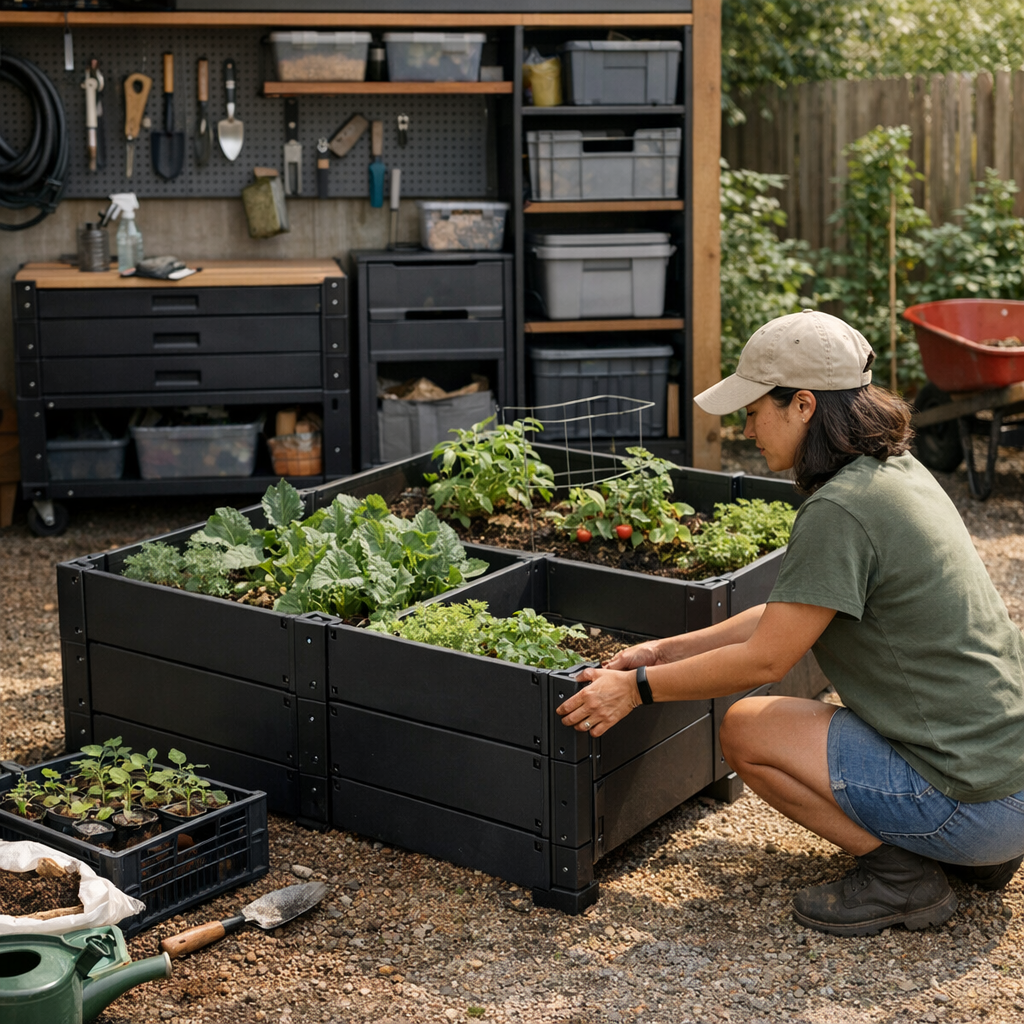
It’s funny how organized a space can look—until the first time you actually need it to work for you. Some limits only show when your routine shifts slightly: a path blocked by a storage unit, a corner that’s hard to reach, or a route always cluttered right when you need it clear. I thought my backyard setup with fixed raised beds was settled and orderly. But after moving those beds for the third or fourth time, I realized how often our spaces push back quietly until we get worn down.
This isn’t just about gardens. It’s about the frustration of hitting the same invisible walls again and again until something has to change.
The Calm Before the Shift
Straight rows and neat corners have a calming effect, even if it’s just an illusion.
When I first arranged my fixed garden beds and storage panels, everything seemed resolved. Places were assigned, and lines were clean. But little problems started piling up—a wheelbarrow too wide to pass, awkward stretching to access the back beds, arms scratched on narrow edges.
These irritations don’t jump out immediately.
But after enough use, you feel them.
Spaces like this warn us to adapt, tweak, and rethink. Yet rigid setups resist change, almost saying, “This is how you planned it. Now live with it.”
Flexibility Quietly Changes Everything
Eventually, weary of wrestling with the same tight spots, I switched to modular raised beds and mobile storage modules. At first glance, they looked just as sharp and symmetrical. But the real difference was movement.
One afternoon, a sudden rainstorm forced a quick run to shield seedlings. With fixed beds, the only route was a messy detour. With modular sections, I popped out a panel, made a shortcut, and kept everything dry.
That small bit of flexibility shifted the entire flow of the space. What had been a minor, constant frustration disappeared.
Sometimes, change simply means easing the movement and access you rely on.
Anchoring the Moving Parts
Of course, modular setups aren’t perfect from the start. After heavy watering, some panels drifted out of line—a subtle sag or wobble, like an unbalanced workbench.
Swapping in sturdier connectors and realigning edges fixed it. That small adjustment—tight edges, stable joins—quietly changed the daily routine. I wasn’t constantly nudging things back into place.
It’s easy to overlook these details and assume they’re minor. But sometimes, they’re the difference between a space that supports your work and one that demands constant negotiation.
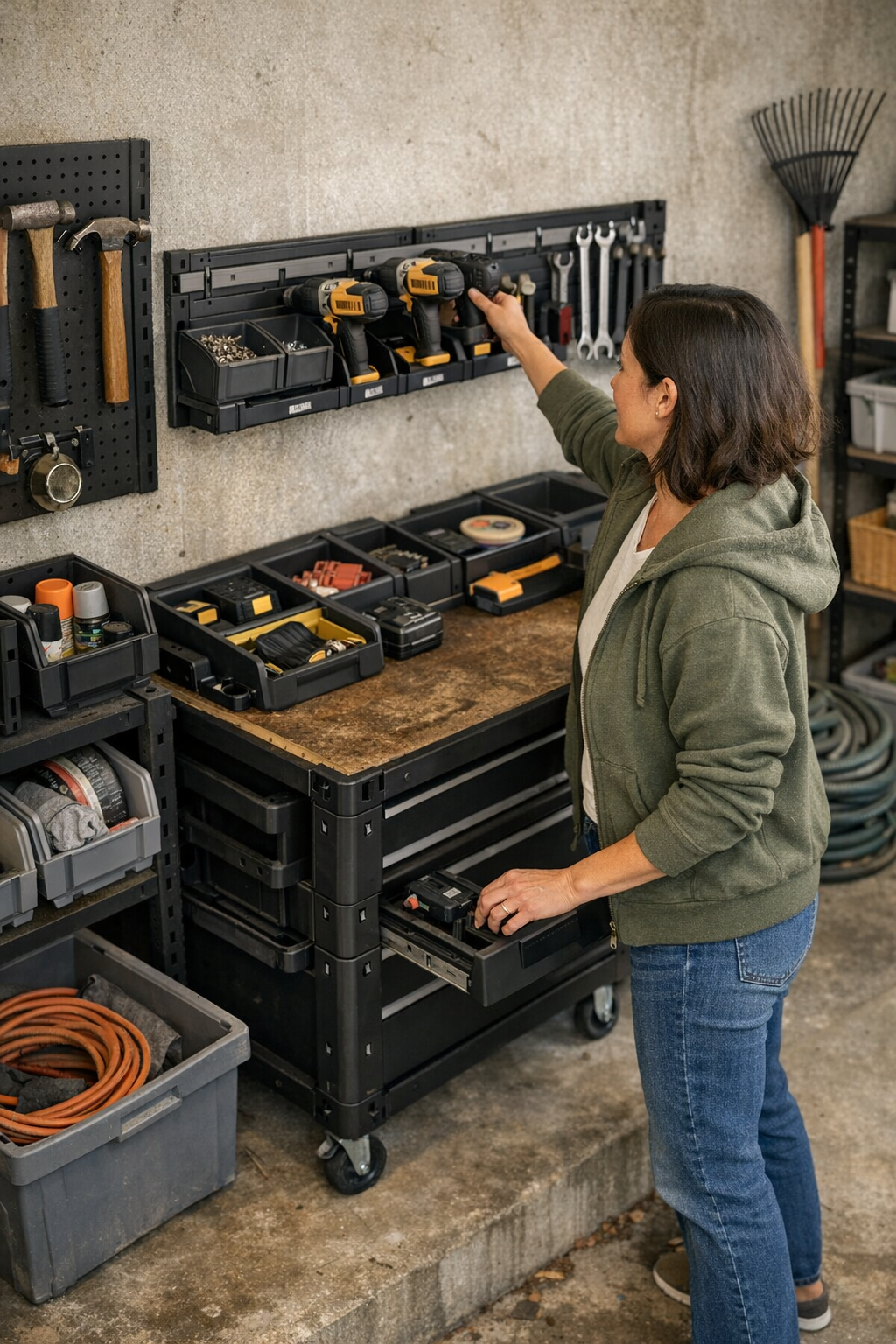
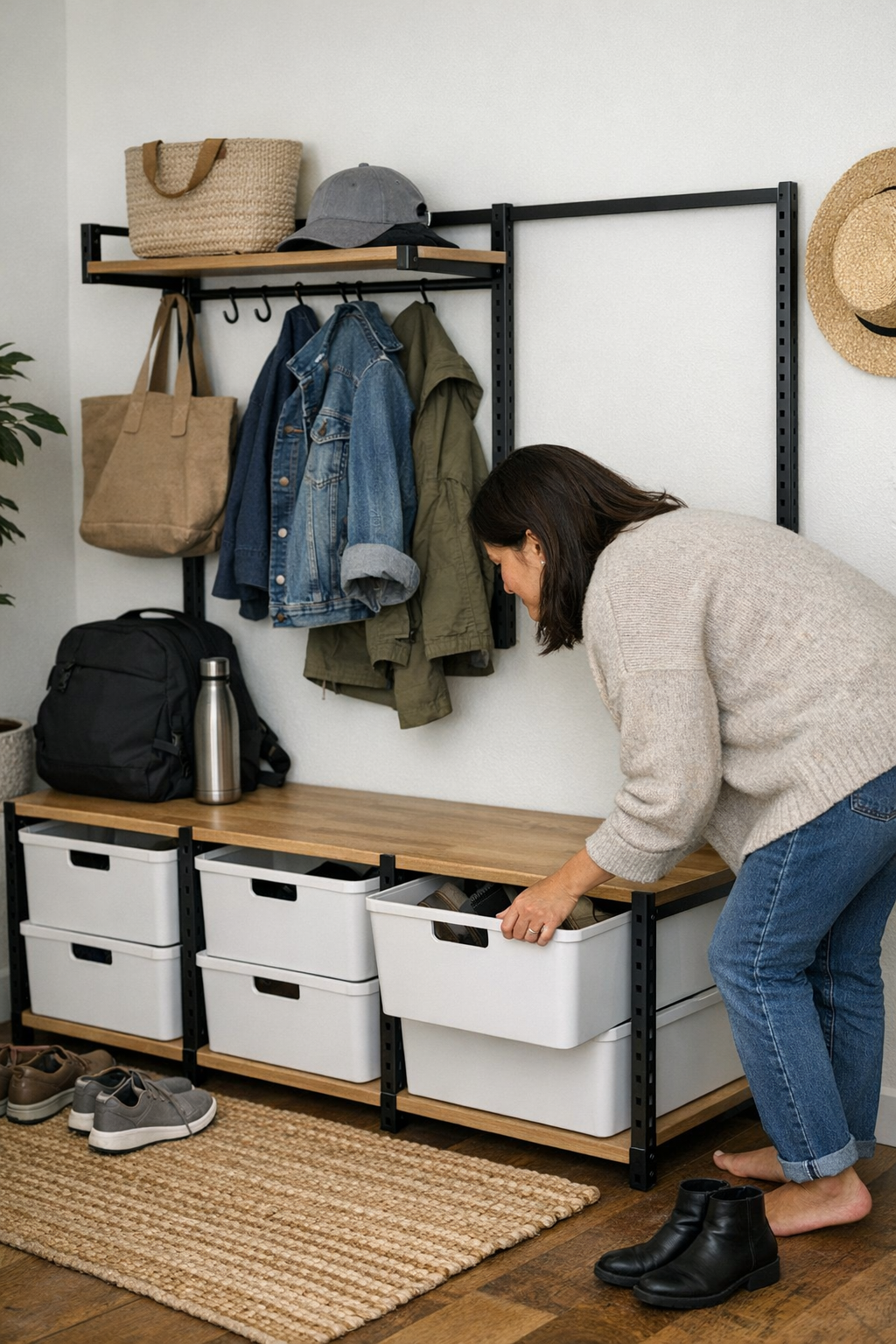
In the end, the right setup moves out of your way. It keeps pathways clear, work easy, and frustration minimal. It’s made me reconsider all my spaces—workshop corners, garage storage, backyard gardens—wondering where modular thinking could improve flow and reset.
These thoughts came together during a backyard project that refused to stay fixed. Read more about the process here.