When Heat Guns Shape the Quiet Details at Home
For precision indoor jobs, airflow focus—not just temperature—ensures steadier, cleaner results, reducing edge damage and extra cleanup.
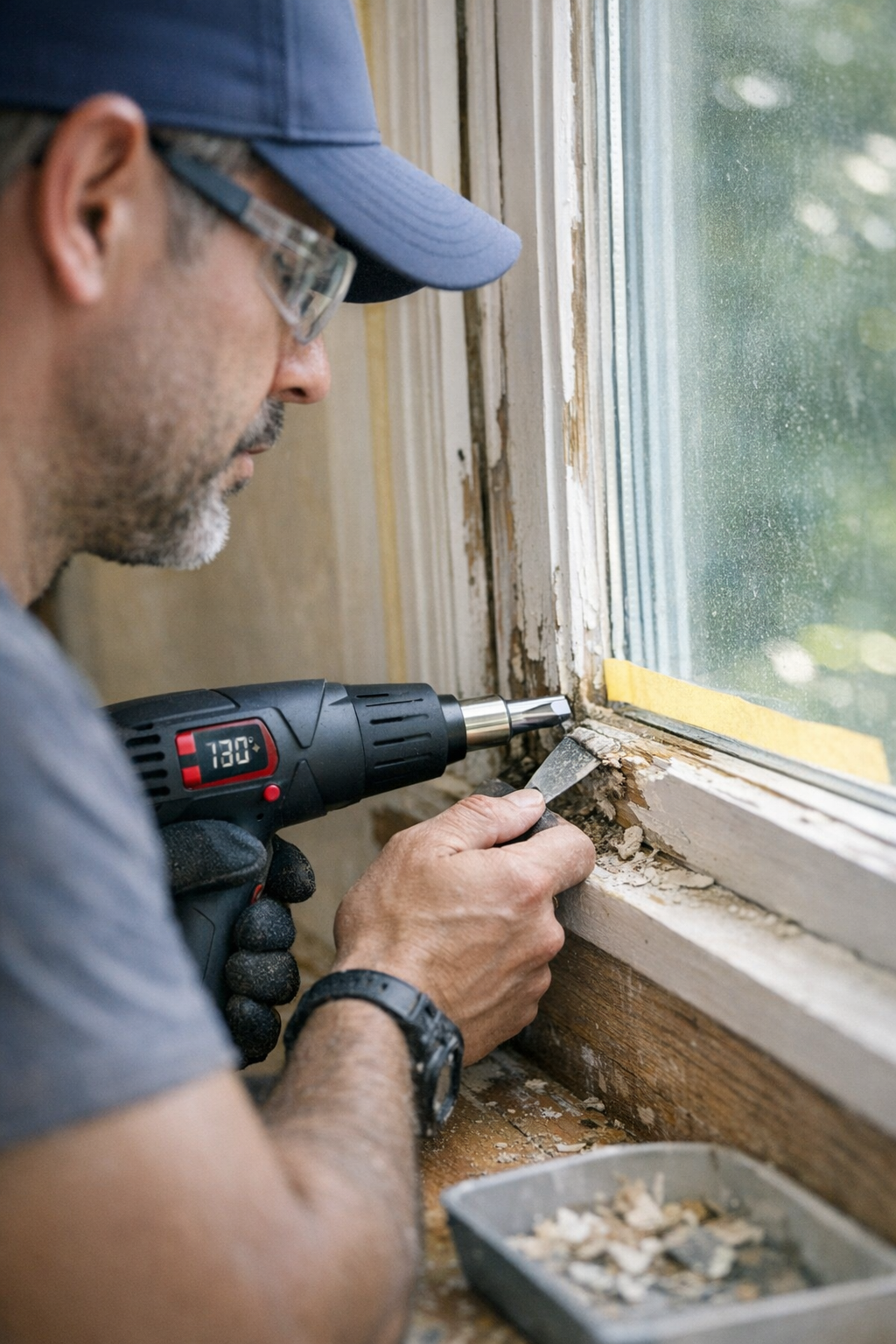
You can spend a whole afternoon working perfectly—until a single misstep brings a ripple of frustration. This is often the case with precision jobs indoors, where the tools you trust are supposed to vanish into the background. But it only takes a bruised trim edge or the first sign of bubbling paint to remind you: airflow control on your heat gun silently shapes the result.
At first, none of this seems obvious. The gun heats, the finish seems to loosen, and you settle into the small, meditative rhythm of stripping, softening, and coaxing old layers away. But if the tool’s heat spreads too far, subtle damage piles up before you even notice. This is where the importance of control quietly shows itself—even if, in the moment, it only feels like a vague sense of unease.
Close Work, Quiet Trouble
You don’t notice it immediately.
There’s a kind of trust in how two heat guns can look identical, all digital dials and clean nozzles. Yet, set them to task on a sash window or a bit of cabinet joinery, and the difference reveals itself: heat that lands precisely where it should—or strays, softening tape edges, curling trim, blurring the careful lines you meant to keep sharp.
It’s almost imperceptible at first. Perhaps just a little blister where veneer meets masking tape. Or that ghostly patch where lacquer pulls away from something you never planned to heat. Sometimes you fix it. Sometimes, you only see the swelling seam after a few more runs, when the workday feels longest.
The Right Focus, The Subtle Change
But you feel it.
There was a moment, not so long ago, when I swapped out the usual heat gun for one with a narrower reduction nozzle—13mm, a small detail. Suddenly, the work shifted. The heat became a narrow, forgiving brush. I could linger over a trim or a stubborn window line, softening lacquer just where I wanted, not bleeding warmth into the rest.
The rhythm stayed steady. There was less sanding, less whispered cursing over edges that blistered or lines that refused to remain crisp. It didn’t speed up time or make the job easier, but it made the outcome feel more certain, each pass quietly cleaner than the last.
It’s strange how a simple shift—narrowing the focus of a tool—can leave hours less rework, and a sense of having kept something intact.
Small Signals, Bigger Cost
There’s an odd satisfaction, too, when you spot the early warning signs and listen: faint bubbling; masking tape that’s suddenly not so sharp; the sandpaper coming out more than you hoped. These aren’t just annoyances—they’re signals that the heat is wandering, that something, even if small, is off course.
So much of precision work is less about raw power and more about subtlety. Indoors, for joinery and trim, the temptation to go for power often brings damage that only becomes clear well after you pack away the tools. The “right” heat gun is quieter in its strengths—a focused airflow, a nozzle that feels precise enough to draw with.
In practice, this means fewer regrets after the final pass.
I’ve come to notice that choosing small, focused tools is less about speed, more about the quiet satisfaction of not having to undo your own work. The edge stays true, and the moments of frustration—while never gone completely—recede just that little bit further.
These reflections took shape late one evening, as I watched the last bit of lacquer curl away from a narrow trim, and thought about the hidden difference a single nozzle can make. Here’s a little more, if you’re interested.



