When Hidden Cabinets Hide More Than You Think
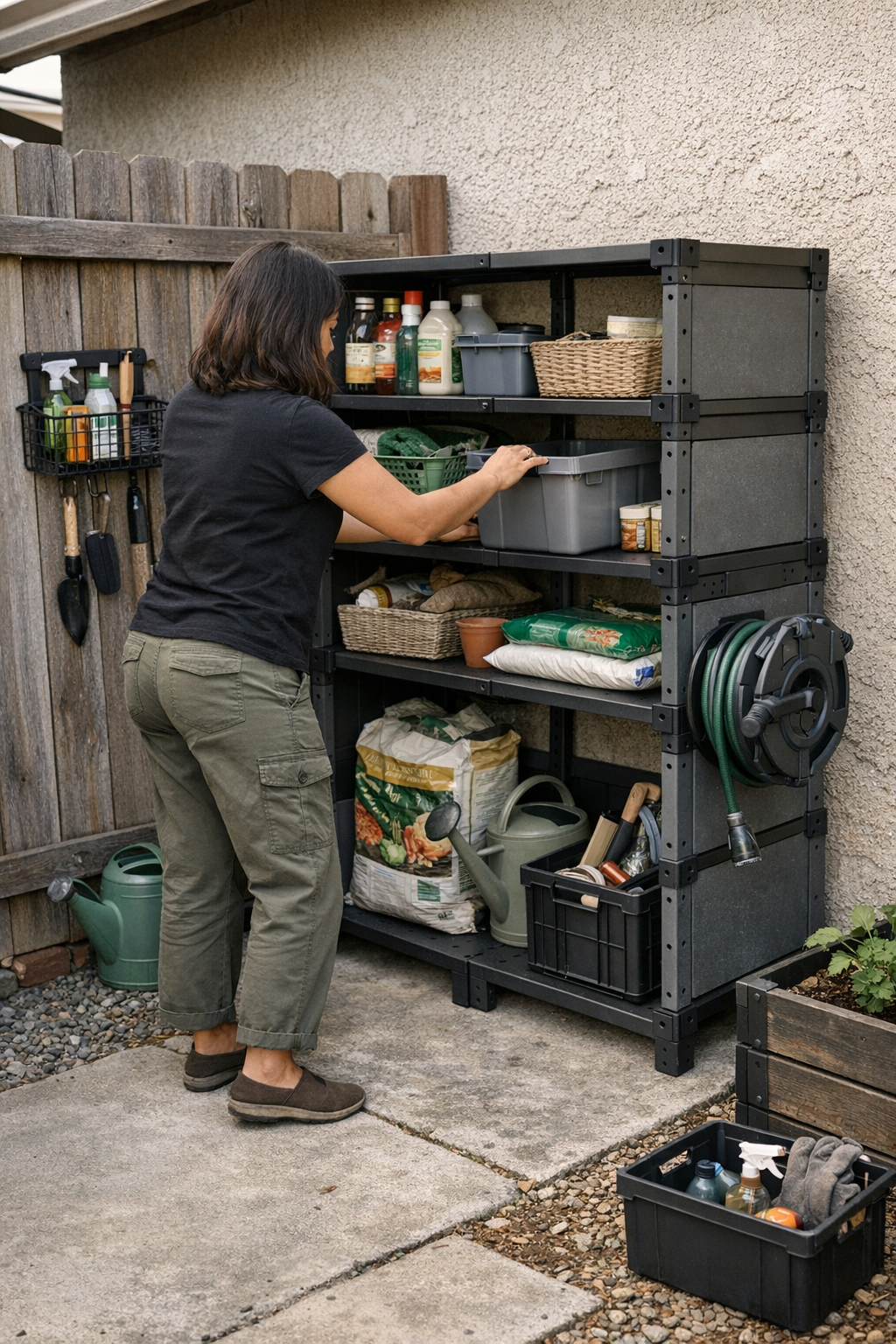
Visible storage like open shelving simplifies inventory management and prevents duplicate buys by keeping items visible and accessible.
There’s something oddly reassuring about a pantry that looks just right: uniform fronts, clean cabinet lines, no clutter in sight. For a while, I thought that meant I’d finally achieved storage that worked. But over weeks of restocking, grabbing snacks, and returning stray boxes, I began noticing small irritations creeping in. Duplicate cans tucked away at the back, crackers going stale before being opened, awkward reaches into dark corners for forgotten jars. These issues didn’t show in a photo, but they grew quietly.
I realized it wasn’t a matter of discipline. The inside world of storage follows its own rules, shaped more by habits than intentions. My closed cabinets, while visually neat, quietly encouraged items to drift backward and pile up out of sight. The order was real until everyday use gradually rewrote it.
For a while, I shrugged it off. But the routine kept circling back to the same small friction.
The Places Things Disappear
You don’t notice it immediately—the slow migration of groceries toward hidden edges. One night, while searching for pasta, I found three bags stuffed behind cereal boxes I hadn’t moved in months. It wasn’t a crisis, just a mild pang: a sense of waste that crept in behind closed doors.
Closed storage lets things claim space quietly. Even with good sorting habits, everyday life edits the system, nudging older cans and duplicates into the comfortable dark. Each restock pushes something out of easy reach. Before long, the “tidy” look covers a mismatched stock that barely matches what you thought you had.
You feel it—the inefficiency, the drift. The small confusion when writing a shopping list, realizing you’re not sure what’s really there anymore.
Seeing at a Glance
Swapping just one cabinet section for open shelving was a quiet shift, not a dramatic overhaul. Suddenly, the shelf’s contents stood plainly in view—no digging, no stacking balancing acts, no wondering. Most items landed in a single row, each box and can holding its spot where everyone could see it.
At first, I missed having things tucked away. Open shelves look busier, less serene. But daily use felt easier almost instantly. Shopping became a quick scan, not a guess. I stopped discovering duplicates weeks later.
Routine use proved the difference: nothing snuck away, and even on busy days, it was easy to keep track. The shelf line might not always be perfectly straight, but it was honest. That was the part I kept coming back to.
The Quiet Trade-Off
Open shelving isn’t a magic fix for every storage problem. Sometimes it meant seeing a bit more mess. It didn’t solve “too much stuff,” but it made overflow obvious. Space felt more usable, not just more presentable.
What changed most was the repeated experience: less time spent searching, fewer accidental re-buys, and a gentler pace resetting the space after use. There’s subtle power in organization that stays truly accessible. Categories might drift, overflow might return—but now everything is exposed and honest, not collecting quietly out of view.
Making everything visible wasn’t about perfection, just about trusting what the space was telling me.
If you’re curious where these thoughts started, you might want to look at Gridry.



