When Hidden Mess Creeps Behind Closed Cupboard Doors
Closed door linen cupboards only prevent visible mess when interiors suit real use; adding a horizontal divider keeps storage manageable.
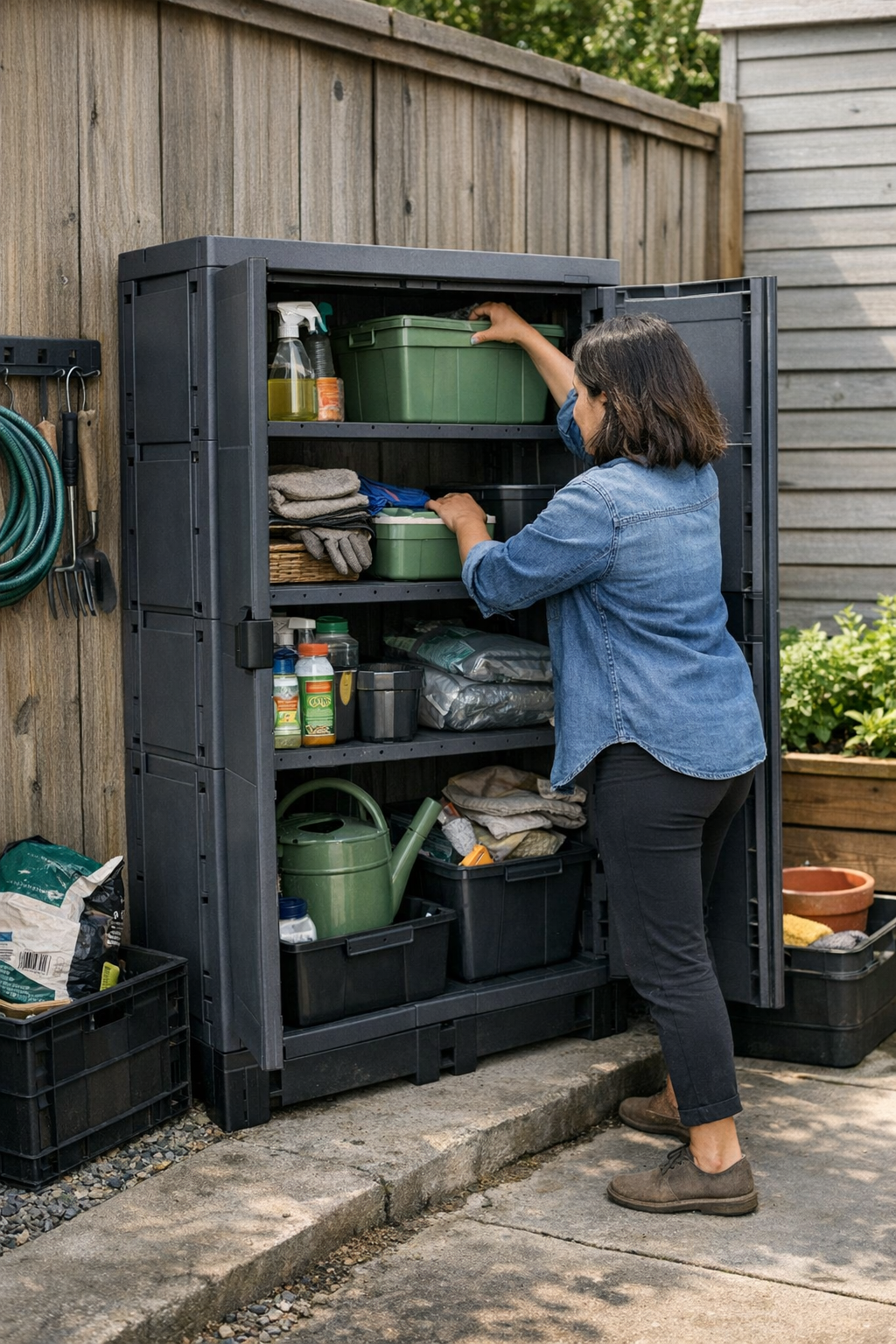
There’s a certain relief in closing the door on a linen cupboard. For a few seconds, it feels resolved—paper goods tucked away, the house tidied by a simple gesture. But over time, small frustrations quietly build up just out of sight. The more often I restock, grab, and shuffle packs around, the clearer the subtle tensions become behind that neat exterior.
It isn’t only about what fits behind the door. It’s about how these storage spaces respond to irregular, shifting demands. A neat front holds its own, but inside, the story is one of hidden drift, oddly sized spares, and backups that slowly slip out of view. Sometimes you don’t notice this immediately.
But you feel it.
Inside the Cupboard: Where Use and Disorder Collide
The mess you don’t see builds in layers. At first, everything fits well—fresh packs slide onto shelves, and rolls line up as planned. But by the third delivery, or when guests stock up for the weekend, the edges start to blur. Every restock means reshuffling, and mismatched shelf heights make awkward stacking or crumpled packaging inevitable at the back.
You start to spot the soft chaos—everyday items slipping into odd places, and backup bundles migrating to whichever shelf has some space that day. Closed doors preserve the appearance of order, but open them on a busy morning, and a bundle might tumble out or wedge near the hinge. It’s never dramatic. The effect creeps in quietly.
Sometimes it’s a slight hesitation when putting things away, or a low-level irritation digging for one last roll. Small moments, repeated enough to become part of the daily routine.
A Small Change, a Shift in Rhythm
After months of squeezing bulk packs into the cupboard, I added a single horizontal divider about a third of the way up. It wasn’t planned, just a leftover shelf I installed one afternoon. But it became the spot I kept coming back to.
Suddenly, the lower section turned into a zone for daily use—items grabbed quickly, at shoulder height and within easy reach. Surplus packs and spares moved to the tier above. No more compressed backups deforming lightweight rolls. The division was just clear enough to slow category blending, making retrieval feel less like a search.
The change was subtle but steadying. Even with irregular restocks, the cupboard lost that constant reshuffle feeling. Everything didn’t need its own perfect zone; it just needed a clear boundary to keep everyday items from sinking under the surplus, and overflow from spilling into the hallway. One simple divider made the whole cycle easier to maintain, without turning the space into a monthly project.
The Weight of Small Routine
A well-fitted cupboard won’t prevent every shuffle or stray pack—things still drift. But with a system tuned to everyday use, the daily work feels lighter. I’ve noticed most irritation comes from shelf heights that almost line up but not quite, or compartments shallow enough for items to disappear out of sight.
The moments that matter aren’t big resets—they’re the dozens of times you reach in, grab something, and put it back without thinking. The more storage absorbs these repeated motions, the less effort you notice. When storage works well, it fades into the background of routines, quietly holding together the tension between visible order and a moving, hidden interior life.
Some of these reflections took shape after rearranging my storage. If you’re curious to see systems that respond to real use and repeated retrieval, take a look at http://www.gridry.myshopify.com.



