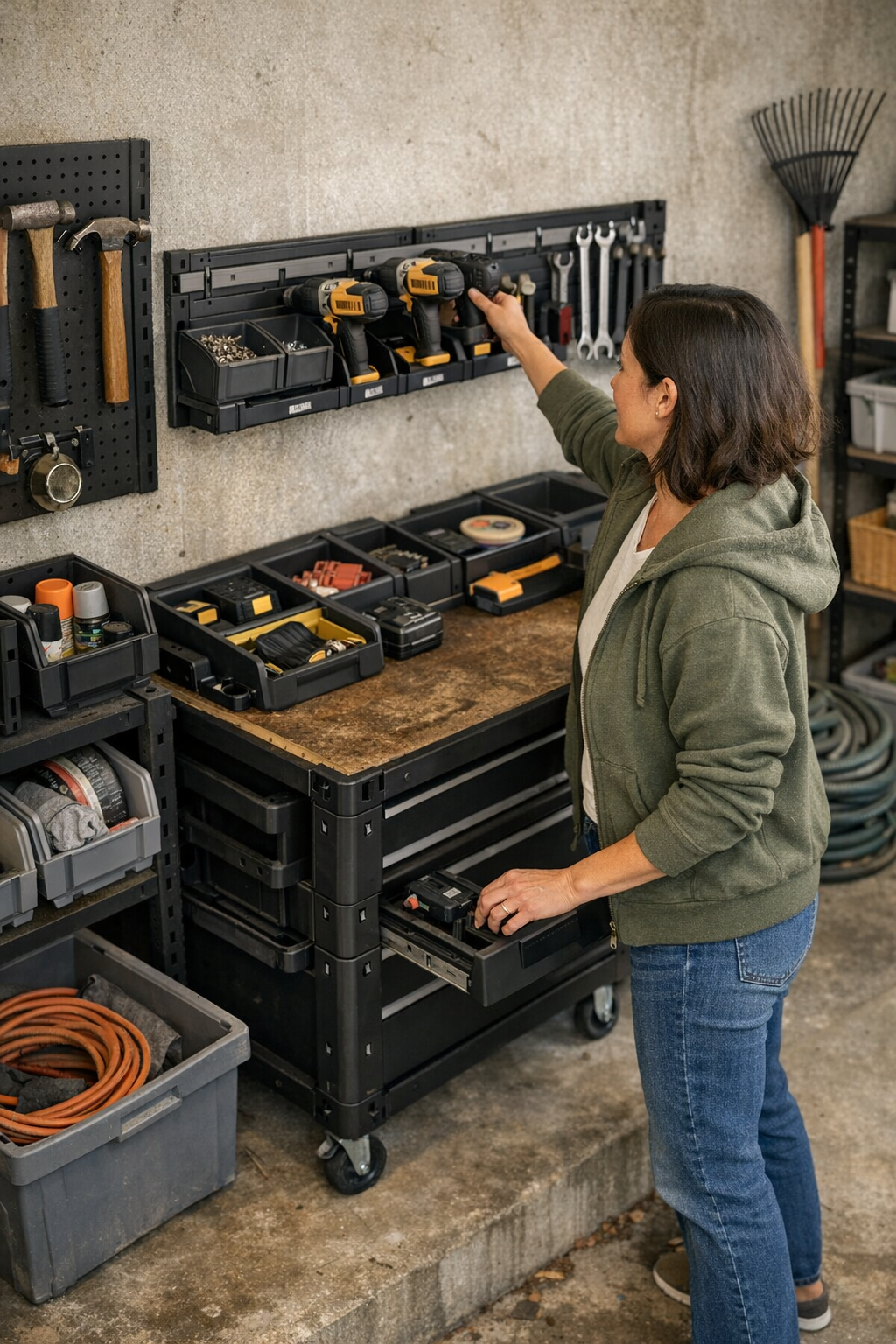
When Hidden Spaces Hide More Than They Should
A calm home relies on clear boundaries and storage designs that prevent category mixing and speed retrieval during daily use.
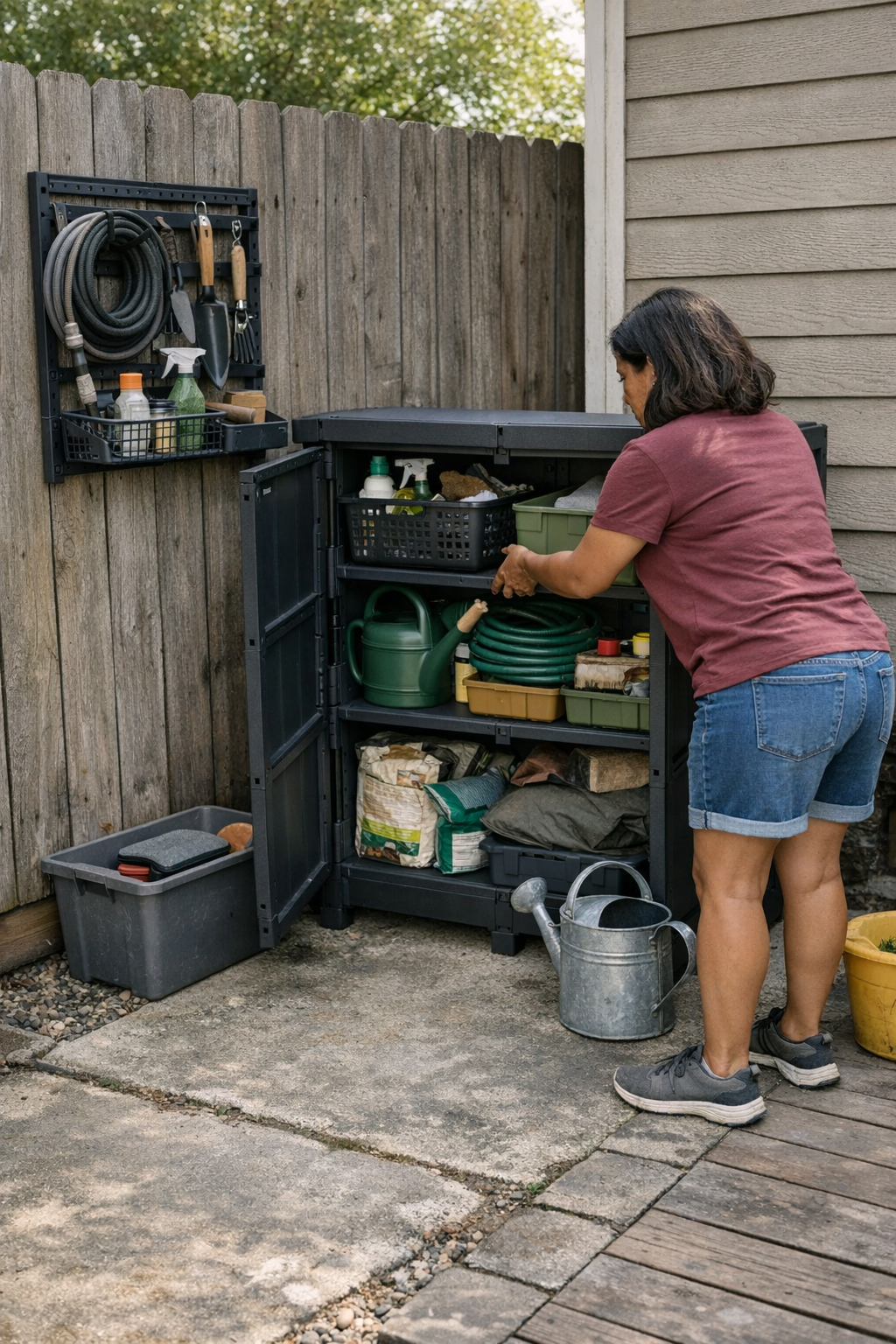
Sometimes, the difference in how calm my storage feels only becomes clear halfway through the week—a small tug of frustration as I dig through a storage bench, the gentle tension when something that should be easy becomes awkward. Order unravels quietly, more gradually than it appears at first glance. It’s easy to believe that hidden compartments and tidy surfaces solve chaos. But after living with these interiors—wall systems, drawer units, underbed storage, and more—I realized the real test isn’t how things look on day one. It’s what drifts and sticks after several cycles of use.
Behind Closed Doors, A Kind of Drift
There’s a certain calm in passing a row of shut cabinets, sliding a slim storage cabinet drawer closed, or shutting a modular floor system’s hidden bin. Every surface looks clear. For a moment, everything feels held together.
But the tension builds later, when routines settle into place. Glove bins absorb mail one day, then umbrellas, then any quick item that didn’t have a designated spot. Underbed storage quietly collects shoes, laundry, anything needing hiding to maintain surface peace.
This was the part I kept returning to: how closed storage delays mess but doesn’t erase it. Each search through a basket or tangle becomes a small reminder, slowing the day by barely a beat—especially when mixed categories cause spillover or blocked access in drawer units or bench compartments.
Boundaries That Outlast the First Impression
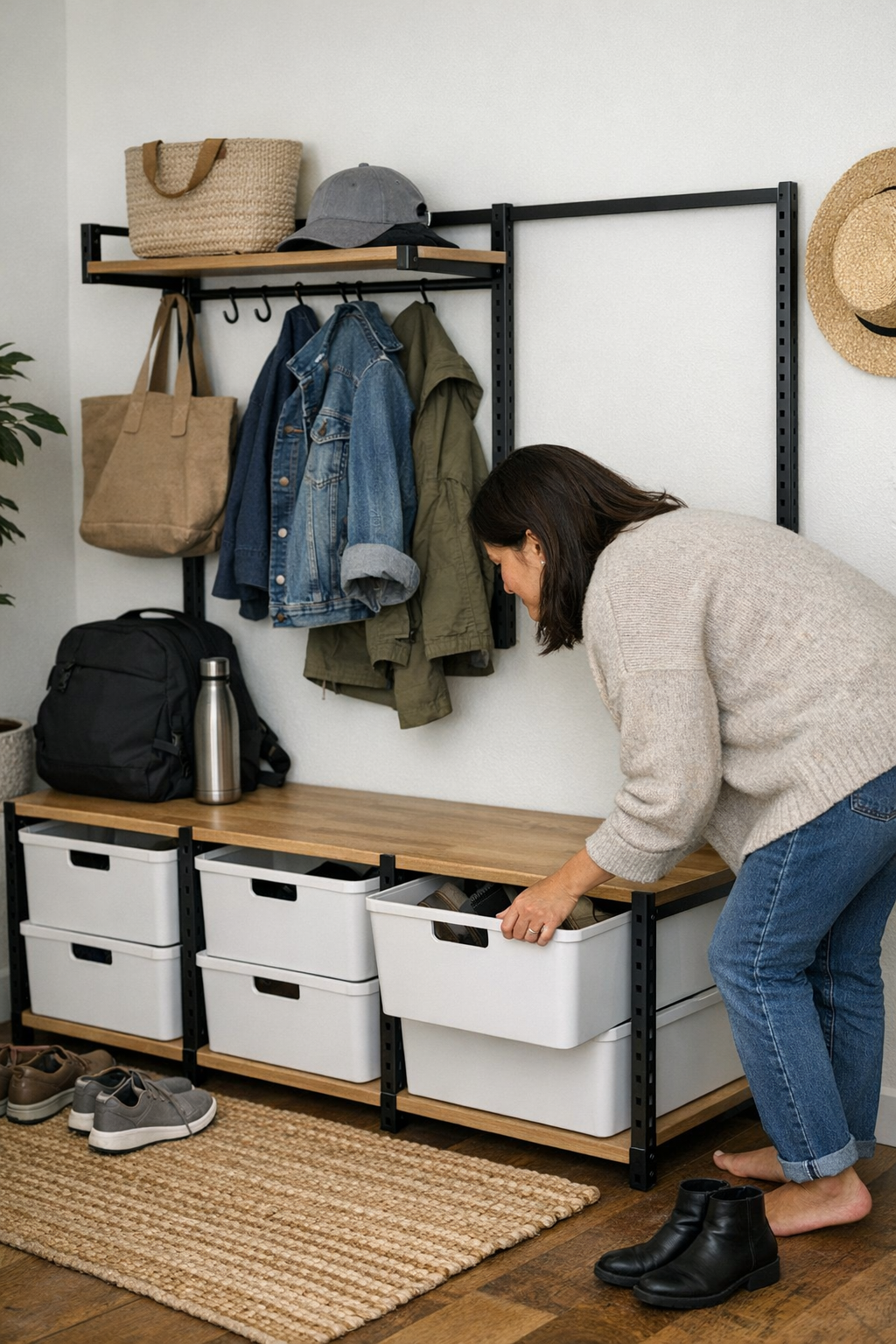
The idea to split a bench compartment came late—almost an afterthought. Instead of one oversized bin labeled “miscellaneous,” I slid in two pull-out drawers. Shoes finally kept their lane; gloves and scarves no longer drifted into unwelcome company.
It wasn’t a dramatic visual change. But returning things started to take less mental effort. Without category blending, there were fewer moments spent moving stray items just to reach what belonged.
The reset became almost automatic. This felt like the difference between a system that looks sorted and one that actually holds, week after week—even with repeated retrieval and returns.
Living With Friction, Or Without It
Storage takes on a shape after real, repeated use—some zones swell and tangle, others hold steady. The friction creeps in where category boundaries blur. Every mixed drawer or general bin slowly works against its own calm, causing friction in returns and retrieval.
Splitting up space, even in small ways, proved more effective than simply hiding everything away. The divider became less about neatness, more about keeping access easy and intuitive. If a routine feels interrupted in a wall system, slim cabinet, or sideboard, hidden overflow is almost always the reason.
On quiet days, it’s the small preserved boundaries that hold everything from collapsing back into clutter. Good storage structure doesn’t just promise calm—it sustains it behind the scenes, keeping each return simple and each retrieval friction-free amid changing layout needs, limited room, and mixed-use pressures.
More thoughts on routines and structure sit quietly here: http://www.gridry.myshopify.com