When Laser Lines Fade in the Midday Sun
Laser levels inside often fail outdoors as sunlight washes out the beam, causing errors; green-beam models improve visibility and accuracy.
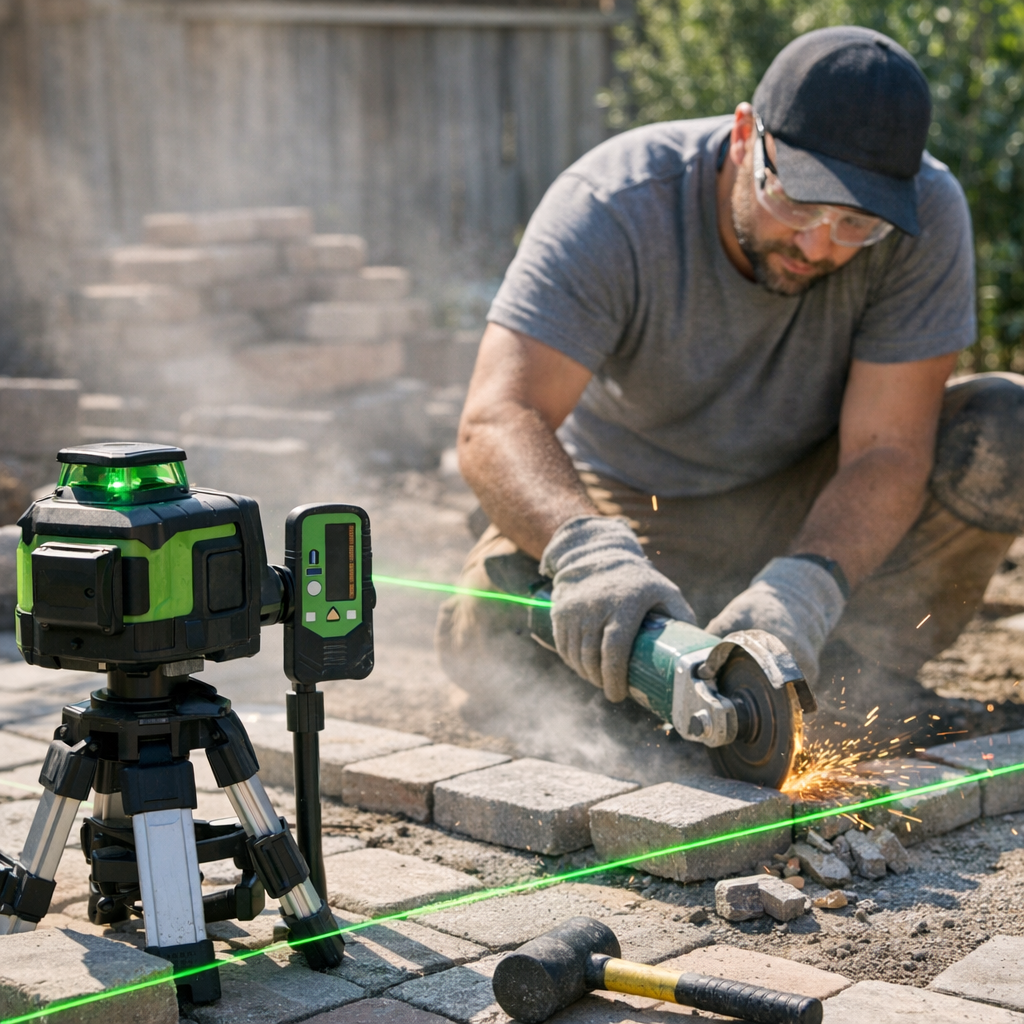
When the Line Disappears: Small Failures in Sunlight (And why it matters more than people think)
You don’t really notice when things start to slip. Not at first. The project feels organized, the tools line up, and you trust what you see. But then you glance down, and the crisp red line you relied on indoors has disappeared. Outside, under a wide midday sky, that one missing guide starts a quiet chain reaction.
Nobody warns you how much sunlight can erase—the certainty in your hands, the rhythm of work, the hidden cost of doing a job twice. It turns out, choosing a laser level for outdoor use isn't just a detail. It's the small variable with outsized consequences.
Where the Trouble Starts Quietly
Most tools behave the way we expect—right up until the environment gets tougher.
A laser level, for instance, is crystal-clear inside. Move the same tool outdoors, and suddenly the sunlight smothers the line. You don’t notice it immediately.
But you feel it.
Sometimes it happens halfway through a set of cuts on a driveway or a wall. The little mark you stood by—gone in the glare. Some folks try to shield the area with a jacket, or squint from another angle, but the line stays ghostly. Every guess in those moments adds up, usually in the form of stray grinder marks or seams that won’t settle flush.
It’s a subtle kind of setback. You wind up doing small extra corrections—sanding, chiseling, shuffling things until the fit feels less awkward. It always costs more time than you expect.
When Details Compound
You only notice the real damage later.
After the first pass, maybe everything looked close enough. But as the work goes on, slight shifts become obvious—gaps at corners, an edge that refuses to meet its partner. Each extra fix usually means more touch-up work, or worse, starting a whole section again.
Once, while trimming pavers under a noon sun, I found myself circling back, running my hand along seams that should have been straight. One bad alignment at the start can echo all the way through a project. It’s easy to blame technique, until you realize your tool never gave you a fair start.
There’s a quiet relief in seeing where the problem lives. Sometimes, it’s just about the beam—its color, its brightness, its ability to stay visible when you need it most.
A Small Shift, and Suddenly Everything Follows
The first time I tried a laser level made for sunlight—a green beam with a simple receiver—I felt the difference. No more guessing at where to stand, no more shielding lines with a hand. The mark stayed steady, even 15 meters out.
There’s a strange comfort in trusting what you see. Forward momentum returns, and the job suddenly flows again.
Most people don’t think twice about these details until something goes wrong. But a tiny shift in choosing a tool that matches its environment, especially for bright, outdoor work, can spare hours of fix-up and frustration. Work gets lighter—not just physically, but mentally, too.
Not every improvement is about buying the fanciest tool. Sometimes, it's just seeing which part of your process is slowing everything down.
All this came together for me one long afternoon rebuilding a sun-bleached patio. If you’re curious, I tucked a few notes about that day here.



