When Less on the Wall Means More in Your Day
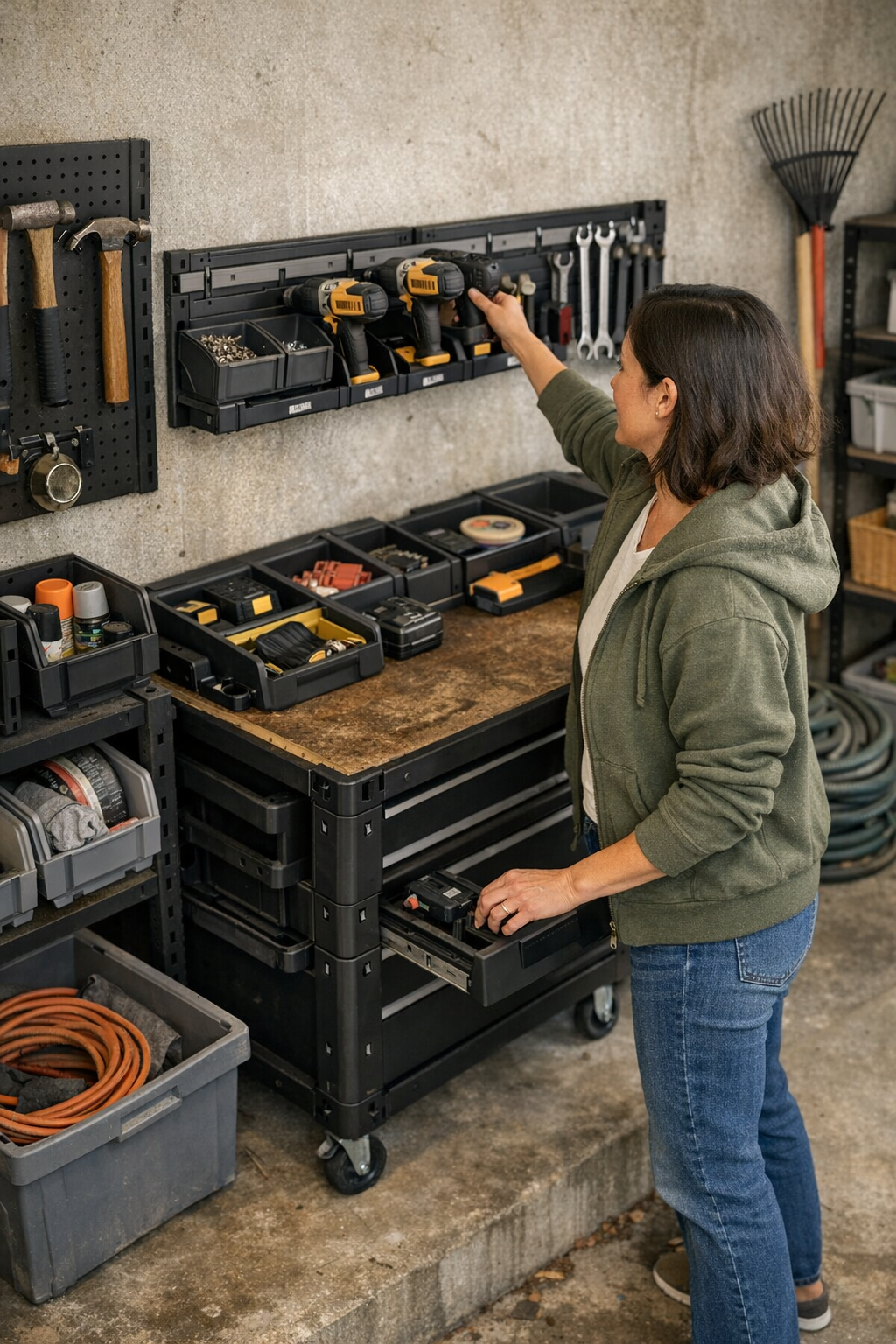
Trimming wall storage to hold only frequently used items speeds movement, easing resets and daily routines with clearer, less cluttered access.
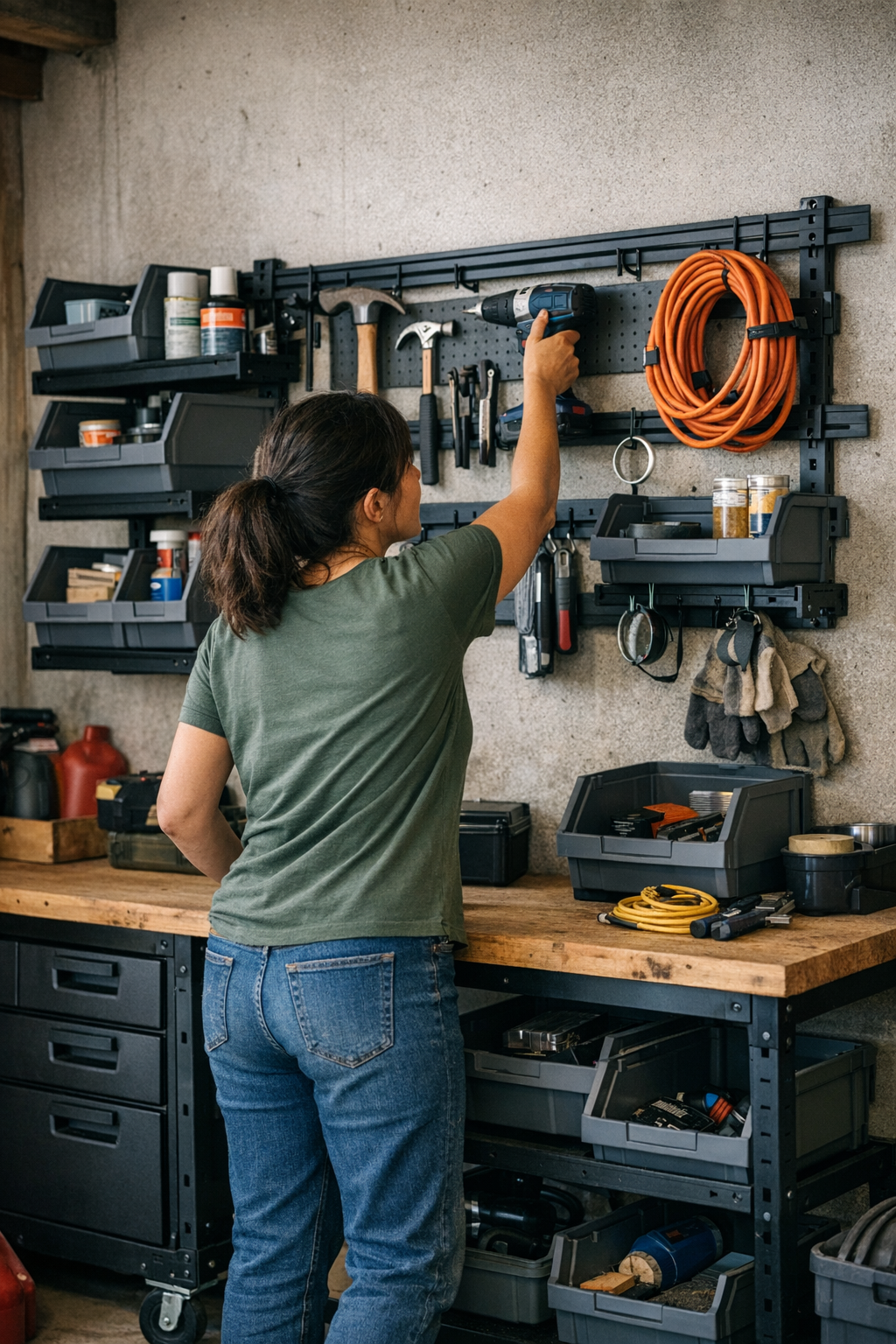
I used to believe every slot and rail in my garage storage wall had to be filled. Rows of bins, hooks, baskets—each one claimed by something, anything, so the whole setup looked complete. The logic made sense in theory: don’t waste space, keep everything right there, visible and ready.
It wasn’t until weeks of regular use that the real rhythm of the workspace revealed itself. The very wall designed to keep me organized quietly started getting in the way, more and more with each project. It’s not obvious at first; eventually, you realize that what looks like order on the surface can slow you down when you’re working.
The Subtle Ways Clutter Creeps In
You don’t notice it immediately, but you feel it. At first, a packed wall feels full of potential. The tools you reach for daily seem right there within easy access. But after a few days, the workflow changes. The tape measure ends up behind a long bin of hardware you only touch a few times a year. That rarely-used tool starts blocking the spot where your drill belongs.
An invisible friction builds—tiny hesitations as you reach, shuffle, or clear space. The wall doesn’t look messy, but it gets harder to use. Every move becomes a small negotiation.
Real Use Reveals the Truth
This is where “efficient” turns into “awkward.”
I noticed the way my workflow stumbled. Taking down the extension cord meant first sliding a bin out of the way. Returning a screwdriver became a search for an open spot. I’d reset the wall after every session, but the process felt less smooth over time.
It’s easy to fill the wall, but much harder to keep it friendly for real work.
One quiet moment stood out: the tools I use daily deserved prime spots. That container I only touched every few weeks? It was quietly getting in the way. After repeating the same movements project after project, I could see which tools were active participants—and which were just taking up space.
Making Space for Flow
Removing the extras didn’t feel like loss. In fact, clearing out what I rarely used breathed new life into the wall. Suddenly, the busiest rail held only what belonged there. A favorite hammer swung easily back into place, no longer snagged by neighbors.
The visual calm was welcome, but the real change was physical—a sense of movement and flow opening up.
The quiet lesson: clear storage isn’t about showcasing everything you own. It’s about supporting the routines that actually matter. When there’s open space, returning tools feels less like working around obstacles and more like gliding through familiar motions.
In garages, workshop nooks, or backyard utility setups, efficiency isn’t measured by how much fits—but by how little gets in the way.
Some of these thoughts came together while I was reorganizing my own modular wall-mounted storage system. The balance between full use and open space turned out to be the key to real flow.