When Lighting Fails in Everyday Moments at Home
Re-checking lighting after power restoration reveals hidden flaws like shadows and glare; proper fixture placement ensures safer, reliable daily use.
For a long time, I assumed the light in my hallway was doing its job. Everything switched on with a crisp, confident glow when the electricity returned. Yet, once the daily routines crept back in—moving laundry, late-night kitchen trips, the usual back-and-forth—I kept noticing the same feeling: something was slightly off. There was plenty of light, but corners stayed dim, and familiar shadows clung stubbornly. It’s easy to forget that lighting’s real challenge begins after the initial install, when the habits return and rooms once again become lived in.
It’s subtle how a space changes under real lighting conditions. What looks right on paper or during those first moments after restoration isn’t always how it feels late at night, cut through with tired footsteps. These gaps aren’t dramatic. You don’t spot them right away. But you feel them—darkness at the stair turn, awkward glare above the mirror, dim patches exactly where you need clear light most.
Corners Revealed by Habit
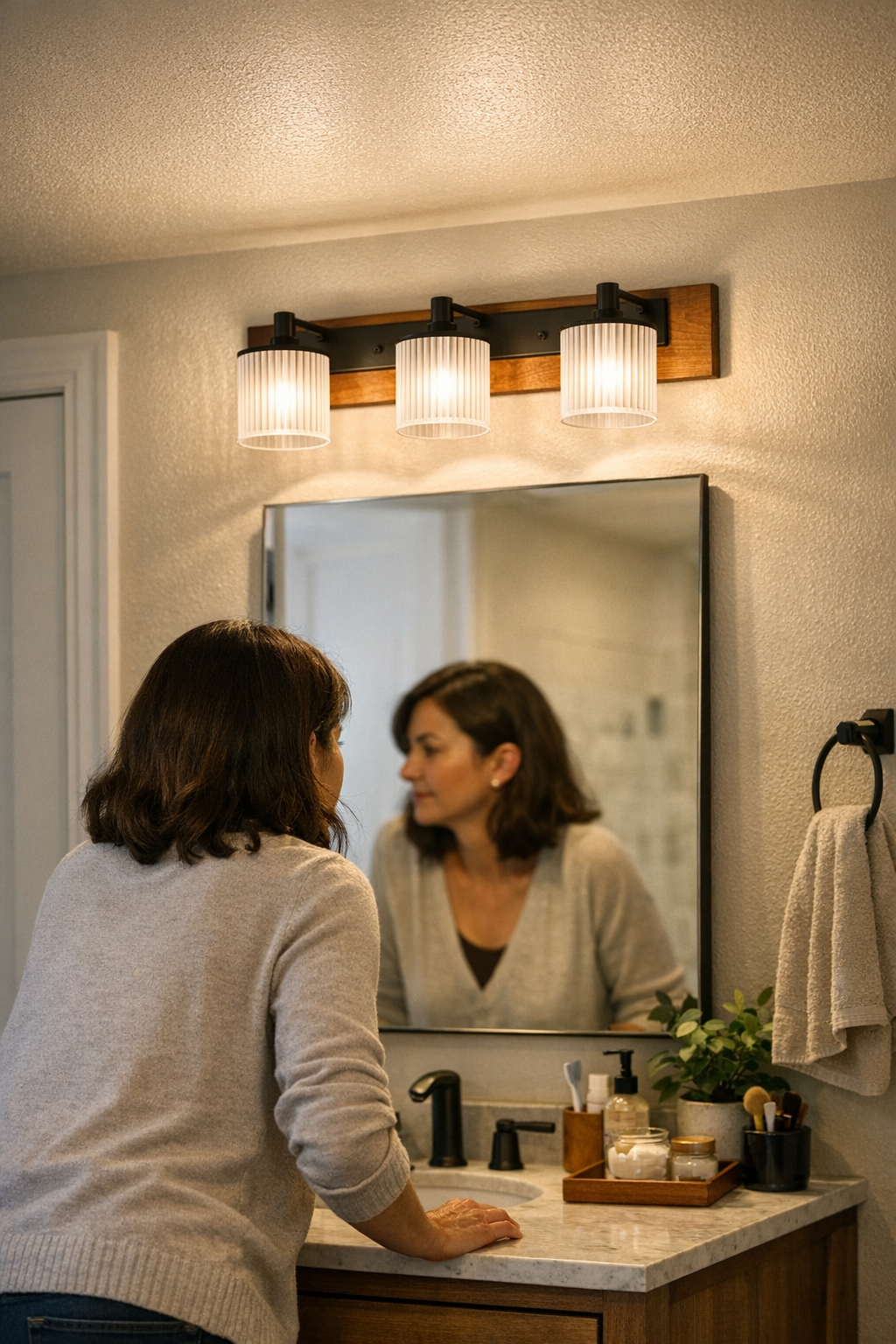
Repetition reveals the difference. A flush-mount ceiling panel may pour brightness through the hallway’s center, but once shoes pile up and coats hang itself along the walls, shadows pool again in the alcoves—right where you might search for lost keys or find the cat curled in a quiet spot. A vanity light that looks fine from across the bathroom throws a blinding line straight into your eyes the moment you lean in for your morning routine. These flaws hide when the room is empty and come forward only with real use.
It bothered me how the kitchen counter fell into shadow even with a luminous new panel overhead, as if the household’s usual movements highlighted every blind spot left by the fixture’s beam spread. That was what I kept circling back to. Glare and gloom are quiet issues—they quietly wear on you with every return.
The Small Frictions of Everyday Light
A light may brighten a room, but if it leaves you hesitating before a stairway, tension builds. In the laundry room, I noticed myself squinting into a hard shadow trying to find detergent—every time, the same dim reach. No amount of “brighter bulbs” fixed this. The issue wasn’t brightness but placement.
Sometimes, the biggest difference comes from the smallest shift. Replacing a narrow, beam-focused fixture with a wider flush-mount light softened the stair landing and made it less treacherous. Adding under-cabinet task lighting in the shadowed kitchen corner made it genuinely usable after dark instead of something you circled around. For me, the practical lesson arrived quietly: light rarely fails from lack of lumens, but more often from insufficient coverage and poor reach.
Living with the Edges
You learn what really works by living with a room long after the electrician leaves. Some spots will always produce mirror glare at certain angles, or shadows will cling stubbornly at hallway bends because of a high ceiling or a narrow fixture’s spread. Sometimes, just shifting the fixture or adding a small nearby light source is enough—not more total light, but the right light, positioned correctly.
I still notice small things—the patch of shadow that returns at the same spot each night, or how the kitchen now feels less strained because the corners have work-ready illumination. Most of these observations merge quietly into routine. These thoughts came together after many flicks of switches and pauses in doorways, and for anyone curious, there’s a bit more about the lighting gear here: http://www.lighthelper.myshopify.com.



