When Lighting Fails: The Quiet Frustration of Shifting Fixtures
A fixture held by robust mounting and organized cabling remains discreet and dependable long after installation.
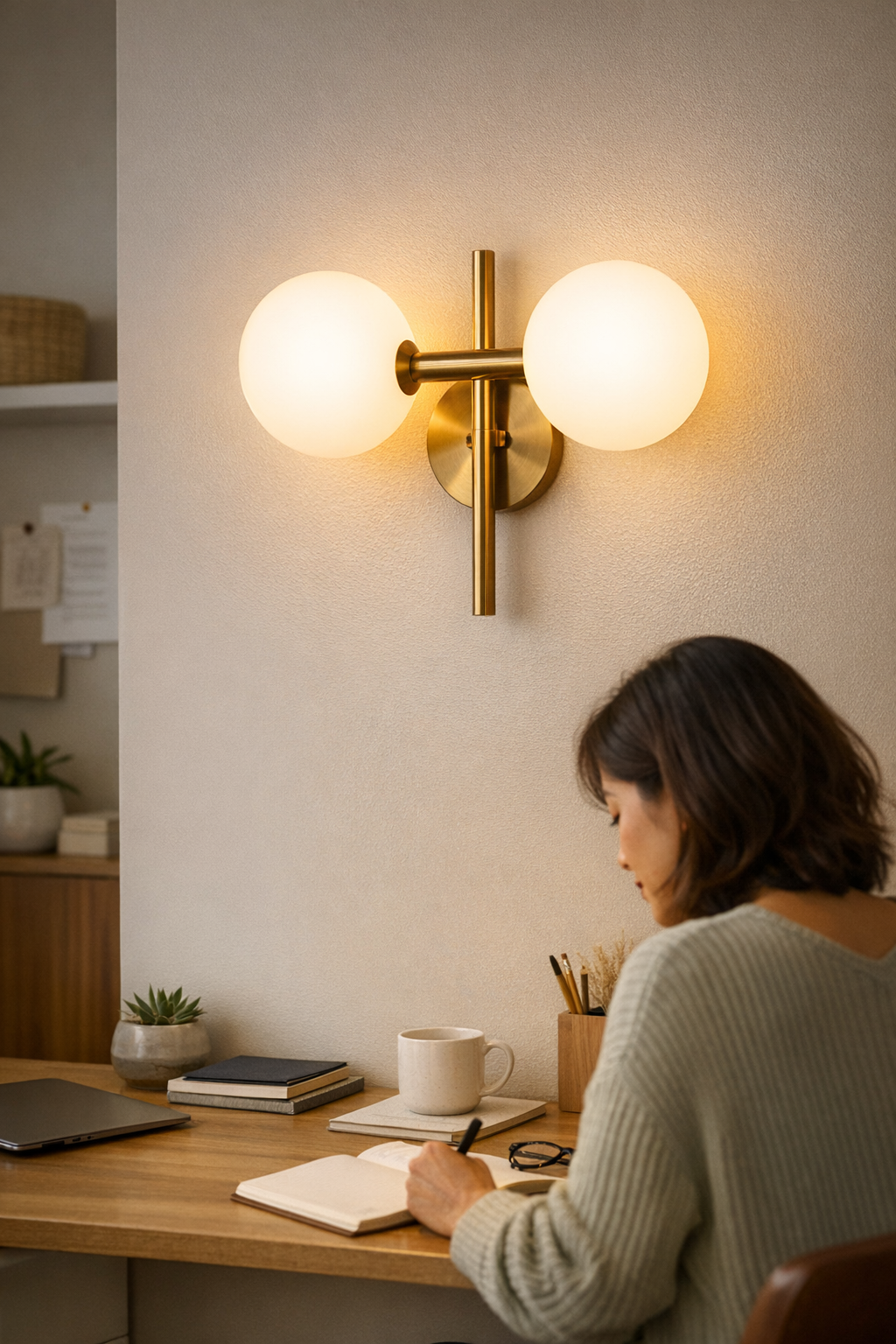
You rarely notice the first time a cable peeks out. The desk light, ceiling panel, or under-cabinet glow all look clean and intentional right after installation. But after a few days, as the space returns to its usual rhythm, a thin line of unruly wire or a shifting lamp edge starts to nag for attention. It isn’t usually dramatic. Sometimes it’s just a minor drag under a chair or a plug that begins to lean, interrupting an otherwise ordinary evening at the desk or kitchen counter. You feel it more than you see it. That’s when the line between a finished lighting setup and something quietly unresolved begins to show.
The Moment Everyday Movements Reveal the Weak Spot
You don’t notice it immediately. At first, everything holds. A lamp pivots smoothly, the light above the counter throws its beam evenly, and nothing wobbles. But as the week wears on and the room fills with familiar patterns—rolling a chair back, sliding a kettle to plug in, wiping the counter—the smallest signs of weakness emerge.
A cable slips out from its guide just enough to catch the corner of a mug. The adhesive under a light strip sags after a warm day, shifting the light spread and drawing your eye every time you cross the room. What looked seamless at first becomes something to adjust or fix repeatedly. Most setups don’t fail outright; they become something you quietly manage far more than you’d expect.
The Difference Hides Underneath
Two identical LED panels side by side above twin desks can look as if they were installed by the same hand. For a while, it’s easy to believe appearance is all that matters. But the one set mounted with a rigid bracket and stiff cable channel remains perfectly aligned a week later, still blending into the room’s routine.
The panel held up by adhesive starts to lean, collects dust on the exposed cable, and loses its angle just enough to cause glare in your glasses. Both were “clean” right after installation, but only one carries itself through shifting habits and surprise interruptions. Day-to-day life sorts out which version lasts and which demands constant attention.
The Quiet Satisfaction of an Unmoved Cable
Replacing flimsy adhesive cable tabs under my desk with a solid, low-profile channel did something small but significant. No more tangled wires for chair wheels to catch, no reminders to fix or realign after a restless work session.
My evenings at the desk felt smoother and less interrupted—not because the space looked noticeably better (though it quietly did), but because nothing demanded to be nudged or noticed. Support hardware that “disappears” is a relief—one that stays quiet through every routine, long after the initial satisfaction of a new installation fades.
It reminds me that what makes light truly useful isn’t just its glow or shape on day one. It’s how its anchors and guides endure daily use and vanish into the background, offering enough order to keep work and movement uninterrupted.
Sometimes the smallest change lingers the longest. And if you want to see how a cable channel or mounting piece actually holds up, I found the details stay easy to check here: http://www.lightsupport.myshopify.com



