When Limits Shape the Flow of Everyday Spaces
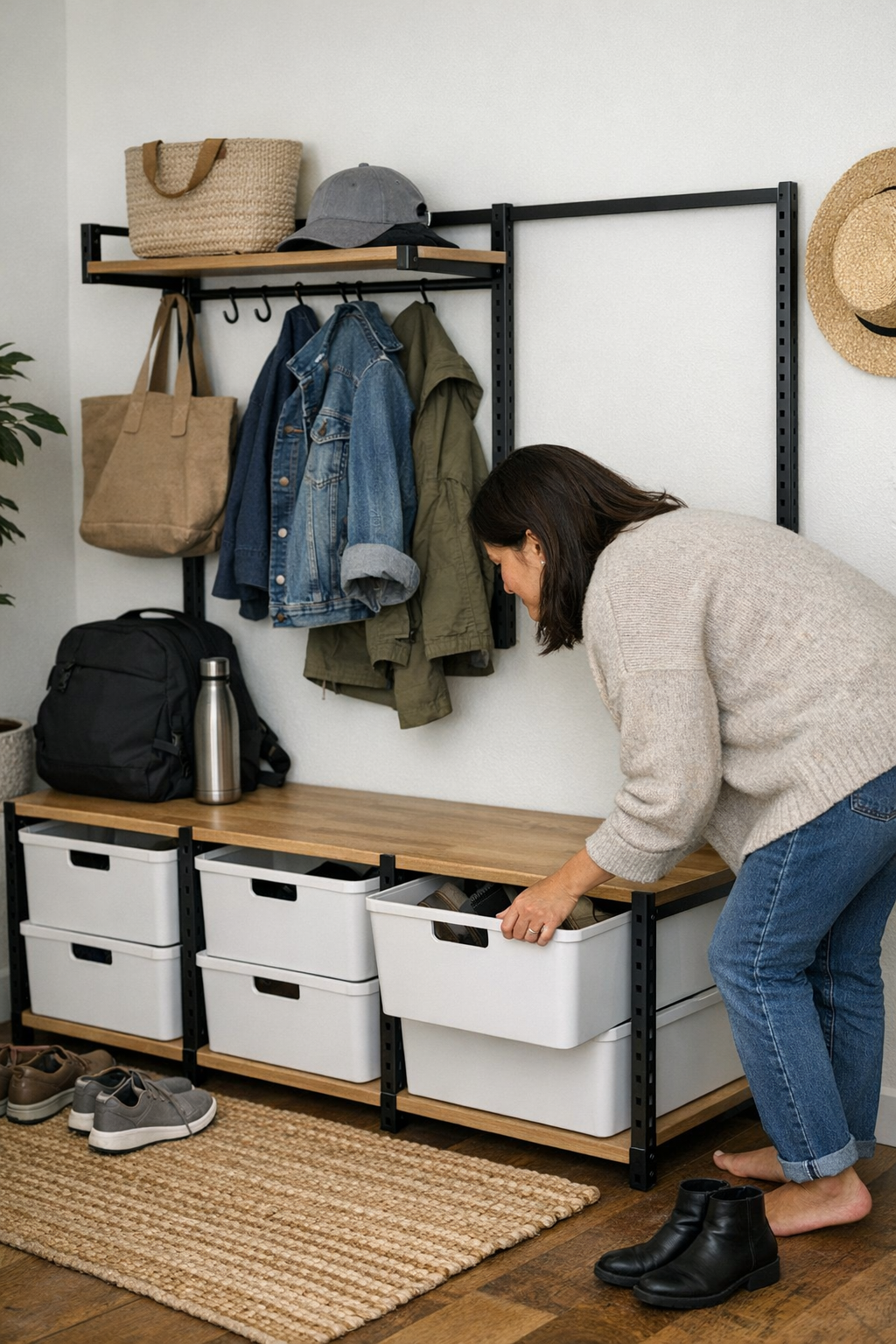
Marking physical boundaries in modular storage keeps workspaces clean after repeated use, easing item return and reducing clutter and reshuffling.
It’s easy to mistake the first arrangement for the final answer.
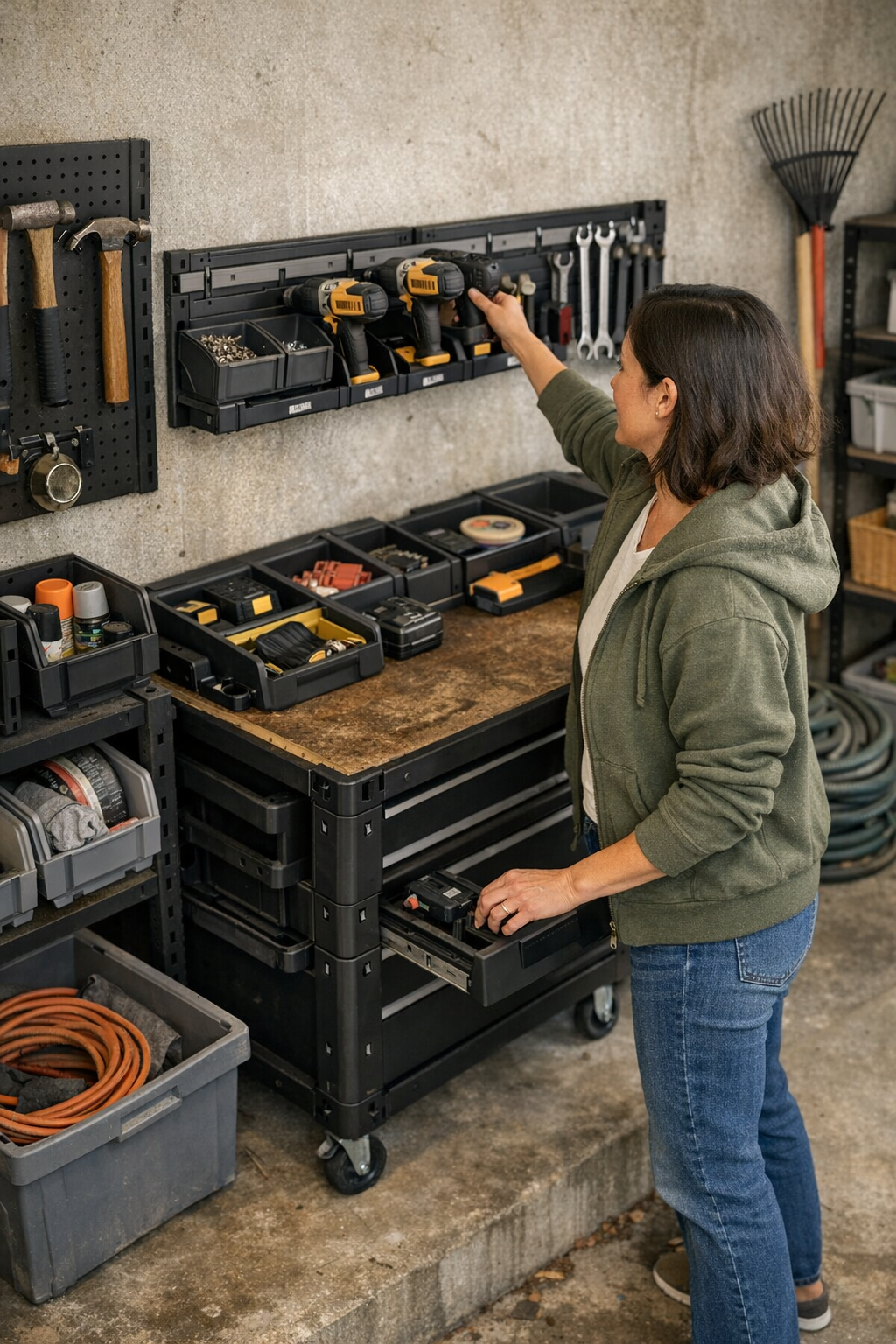
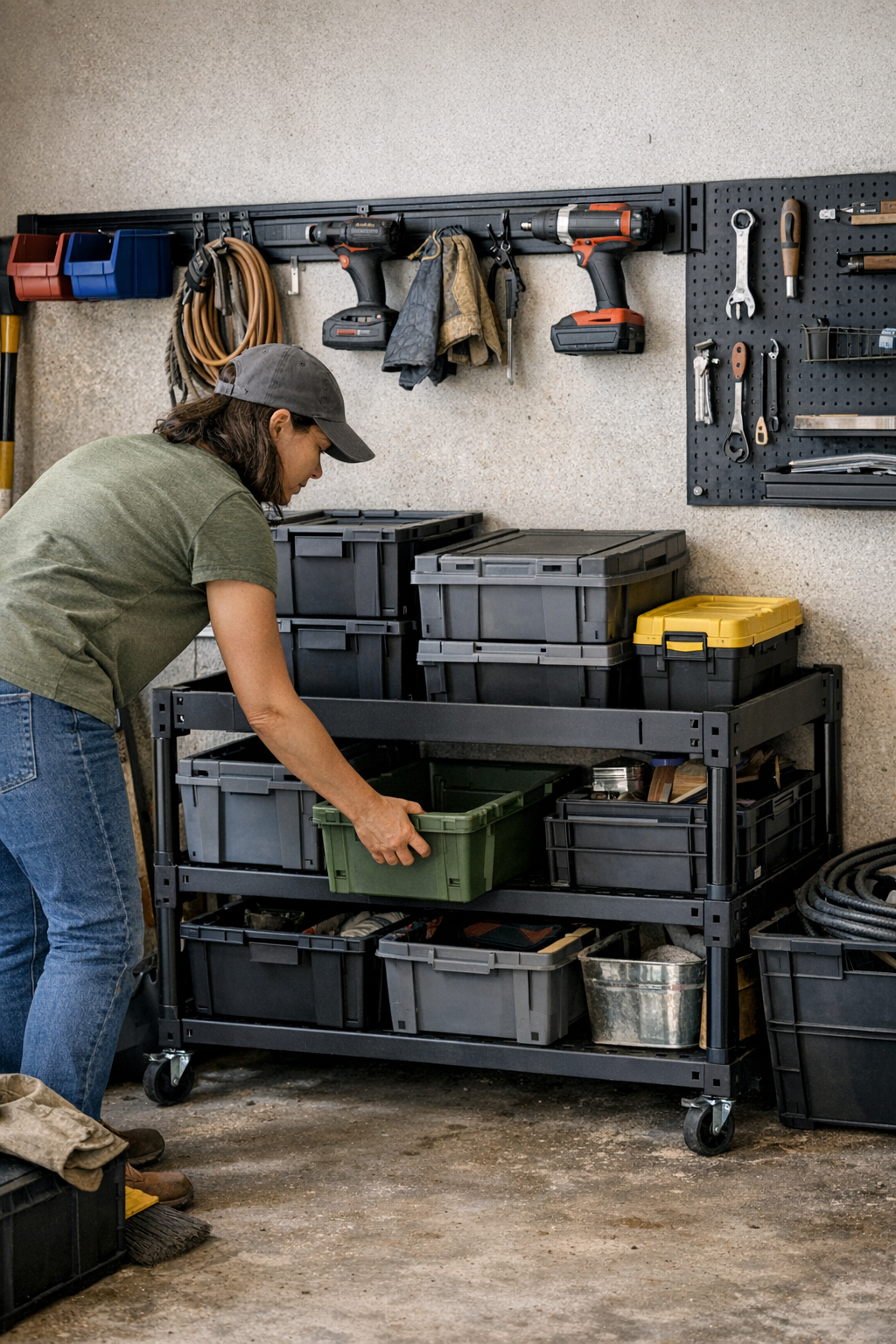
After all, when you hang up your tools on a wall-mounted rack, stack bins into a floor-based system, or wheel out a mobile cart, there’s a moment of quiet satisfaction. The garage, the shed, the utility nook—suddenly everything looks contained and orderly. For a while, anyway.
But the day-to-day story is less about that first impression and more about what happens next. The real test comes when routines return: when things are borrowed and brought back, when the weather turns and the garden gloves switch places with winter salt. That’s when storage systems designed for modularity and mobility are rarely as steadfast as they seemed on setup day.
The Edges That Make or Break Order
You don’t notice it immediately.
Over time, the edges of storage zones blur a little. The wall-mounted rail starts absorbing odd-sized bags, the mobile shelf wheels drift a few inches out of line, and suddenly the “perfect” layout bills you for every return trip. If a bin won’t slot back easily, it lingers at the edge. If a floor rack has a gap, something fills it—a stray trowel, a cord reel, a mystery fastener you meant to put elsewhere.
There’s a silent threshold here. When boundaries soften, resets take more effort. Small spaces don’t turn chaotic overnight; they accumulate “almost” returns and sidelong steps, inch by inch.
You feel it when you have to pause and shuffle something just to reach what you actually need.
When the Overflow Starts Speaking Louder
Three days after I organized my garage, an old cooler landed in front of the floor rack. It didn’t belong—just had nowhere else to go after a picnic. A week in, a bag of potting soil joined the lineup. Neither was really in the way, but every pass by left a mental wince.
That’s how boundary creep shows up: not in mess, but in hesitations and small detours. What looked like flexible storage turns unsteady, and a neat rail becomes a lineup of orphans, each slightly misfiled. The visual order still holds, but the functionality slips.
There’s a moment here—pause and look closely—when you realize your space has started making decisions for you.
Clarity Costs A Little Flexibility, But Pays It Back
I wasn’t aiming for perfection. Just a garage that didn’t drain energy every time I put the hedge trimmer away.
Tape marked the edge of the wall rail, and a hard stop went at the end of the floor rack. That single change set a boundary I physically had to respect. Extra bins landed in a designated overflow box instead of wherever they fit.
The immediate shift: return trips felt easier. No debate, no forced reshuffling. Walking paths stayed open all week. That “lost” flexibility—compressing just one more thing on a shelf, letting a tool migrate past an edge—felt less like freedom, more like a subtle burden gone quiet.
In the end, zone clarity reclaimed more mental space than square footage. There’s a calm in seeing things find their old spot, almost by instinct.
Put another way: sometimes the borders we draw sustain more than just our storage.
These thoughts first surfaced after reorganizing my workspace one quiet Sunday afternoon.