When Neat Storage Turns Into Everyday Frustration
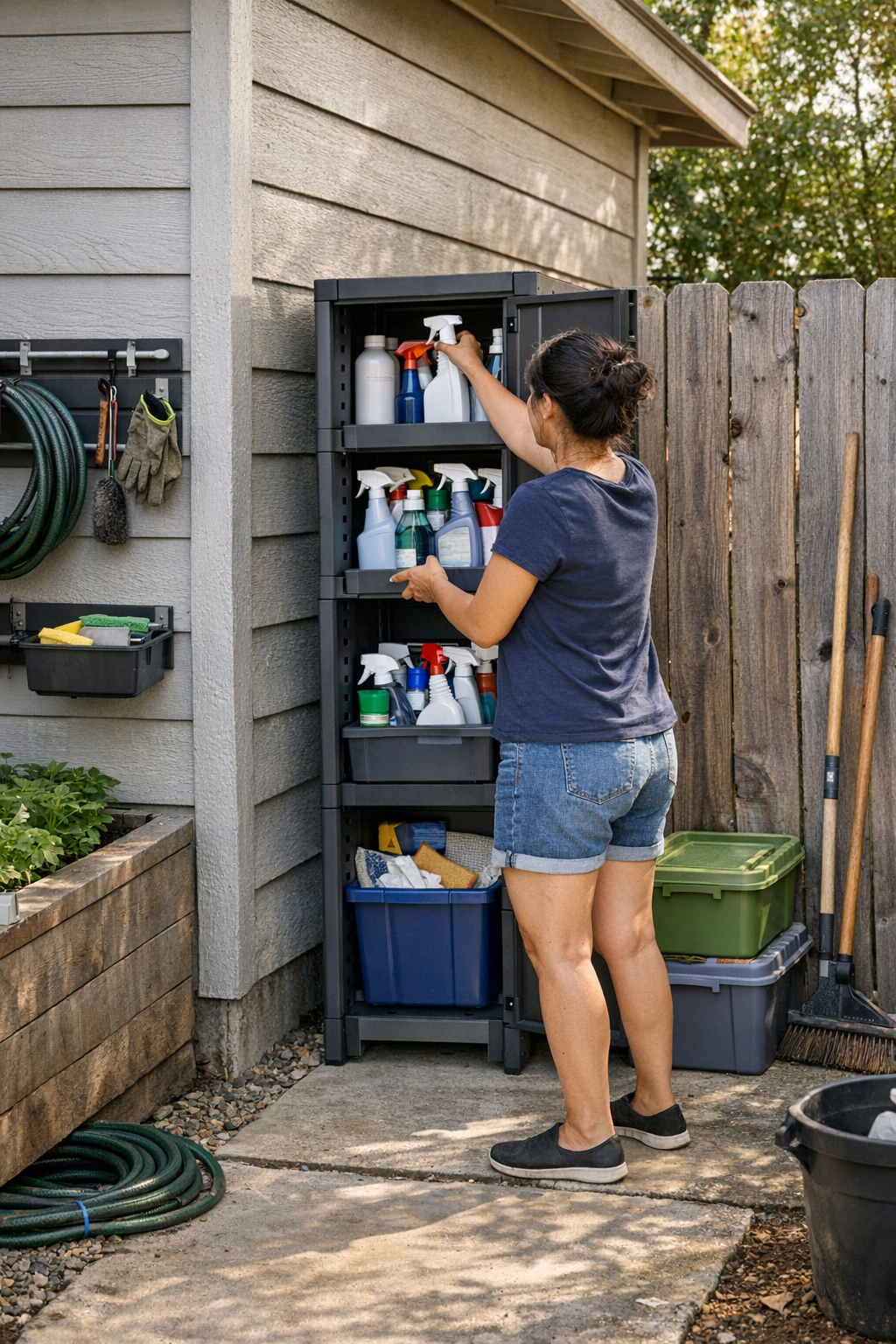
Slim utility cabinets store sprays upright well only if shelves fit bottles; slight shelf adjustments improve retrieval, reduce leaks, and clutter.
The Hush and Hassle of Slim Utility Cabinets
It’s usually in the in-between moments—putting away a just-used spray or bending for a bottle tossed back in haste—when you notice the friction. Not the big kind, but the slow accumulation that skews your day just a degree or two. You buy a slim utility cabinet, picturing a world of tidy, upright sprays and hidden clutter. In practice, though, the push and pull between order and use surfaces quickly, the ease you pictured edged out by day-to-day reality.
How Order Starts—And Then Unravels
At first, there’s sharp comfort in having all the bottles upright. Everything looks purposeful, the cabinet’s door closing on a scene of quiet control. It’s satisfying to see scrubbing sprays lined up, each in its place, invisible to passing eyes.
You don’t notice the tension immediately.
But within the first week, small signs emerge. The tallest bottle doesn’t quite fit and leans if forced in. Triggers catch on the shelf above. Each time you reach for a bottle at the back, you worry about dislodging neighboring ones. In rushed, end-of-day routines, it’s the same few bottles at the front getting all the use while the rest settle into the sticky silence of the overlooked.
That ongoing imbalance—the uneven retrieval and return—was the part I kept coming back to.
The Quiet Cost of a Tight Fit
A shelf too low by just a few centimeters turns the whole cabinet into a daily puzzle. You might tilt a bottle sideways or crush the spray trigger to squeeze it in. Over time, small leaks appear—sticky build-up at the bottom edge, bottles rolling forward as the door shuts unevenly.
The cabinet isn’t failing. Its clean lines still hide clutter well. But it’s less a helper and more a negotiation now. The effort to return everything to its notional place begins to outpace the original appeal. This shift happens gradually. Category drift sets in—cleaning sprays nudging shoe polish, stray scrubbers creeping in—until inside no longer matches the order visible from the outside.
Pausing, you stand back and measure what’s shifting in the balance.
Finding Ease in the Smallest Change
Eventually, I adjusted one shelf, nudging it higher to accommodate the tallest bottle. The ripple effect was immediate. Spray triggers slid past each other instead of catching. Bottles stood upright without tilting or forced positioning. Returns became smoother, less like cramming the last piece into a packed bag.
You don’t always need a bigger cabinet. Sometimes all it takes is a little more vertical space. The cabinet stops being about how much fits, and starts being about how it feels to use—quiet routines flowing instead of stalling.
Living with inside storage is never about perfect containment. It’s a moving balance, measured by every rushed retrieval and every intentional return. Often, the smallest adjustment restores the ease you bought it for in the first place.
If this sounds familiar, there’s more to see quietly over here: http://www.gridry.myshopify.com