When Open Shelves Lose Their Order at Home
Open shelving shows labels clearly if depth and spacing prevent stacking, but daily use can clutter; single forward rows maintain visibility and ease.
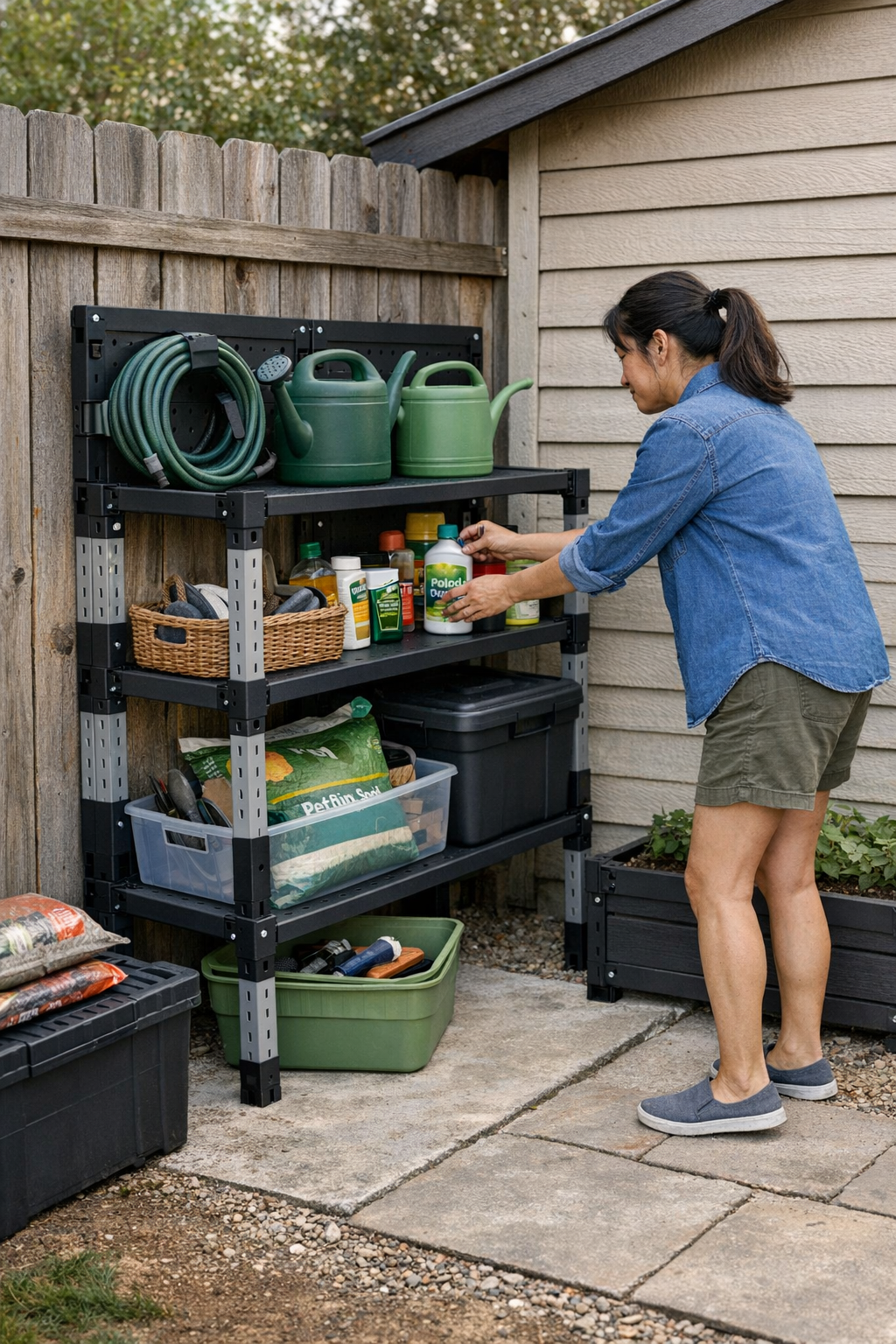
A pantry never stays new for long. There’s a quiet unraveling that happens in the space between cooking and cleaning, between the first careful shelf arrangement and the fiftieth return of a half-used jar. I never noticed how easy it was for order to slip—until one week, then another, and suddenly the back rows became dimmer, labels vanishing by dinner prep. The illusion of control fades more gently than you think.
The Arrangement That Felt Right—At First
Open shelves promise something honest: you see what you have. Each container, lined up, is a brief victory, neat and reassuring. The first mornings after setting them up, everything was visible and exactly where it belonged.
But these shelves don’t demand much before their truth emerges. A slightly too-deep shelf, or a hungry evening—just enough, and tins slide behind one another, silent and forgotten. You don’t notice it immediately. But you feel it.
Where Utility Outpaces Intention
Life in the kitchen isn’t static. I’d grab cans, restock after a rush to the store, nudge backup snacks into the gap left by used-up tea. Categories softened at the edges. “Grains” met “sweets” for a moment on the same ledge. It was the habit of speed, those little deadline moves, that bent the system out of shape.
Restoring order used to take a chunk of each weekend. Later, I found myself working around the drift—moving jars aside, guessing at what was still pushed out of sight on deeper shelves within the pantry’s modular wall system.
That was the part I kept coming back to.
The Small Change That Stuck
Not everything needed to fit at once. Over time, I reduced each shelf to hold one clear row, shallow as the largest cereal box—no second layer, no double stacking. It was less about finding more space and more about resisting the temptation to crowd the pantry’s utility shelving.
Now, when I reach for something, nothing else shifts or blocks access. Restocking is a matter of setting things back, not restarting the whole process. Fewer hidden rows meant fewer forgotten purchases, and the system started to feel lighter, almost self-correcting.
It’s not perfection, but it’s enough—a quieter kind of order that holds up on its own, most days.
If you find yourself wondering about shelf fit and forward rows, there’s more here: http://www.gridry.myshopify.com



