When Order Turns to Chaos on a Crowded Shelf
Shelf-edge labels deliver clarity only if bins slide easily; small gaps prevent mix-ups and make resets faster and shelf categories clearer.
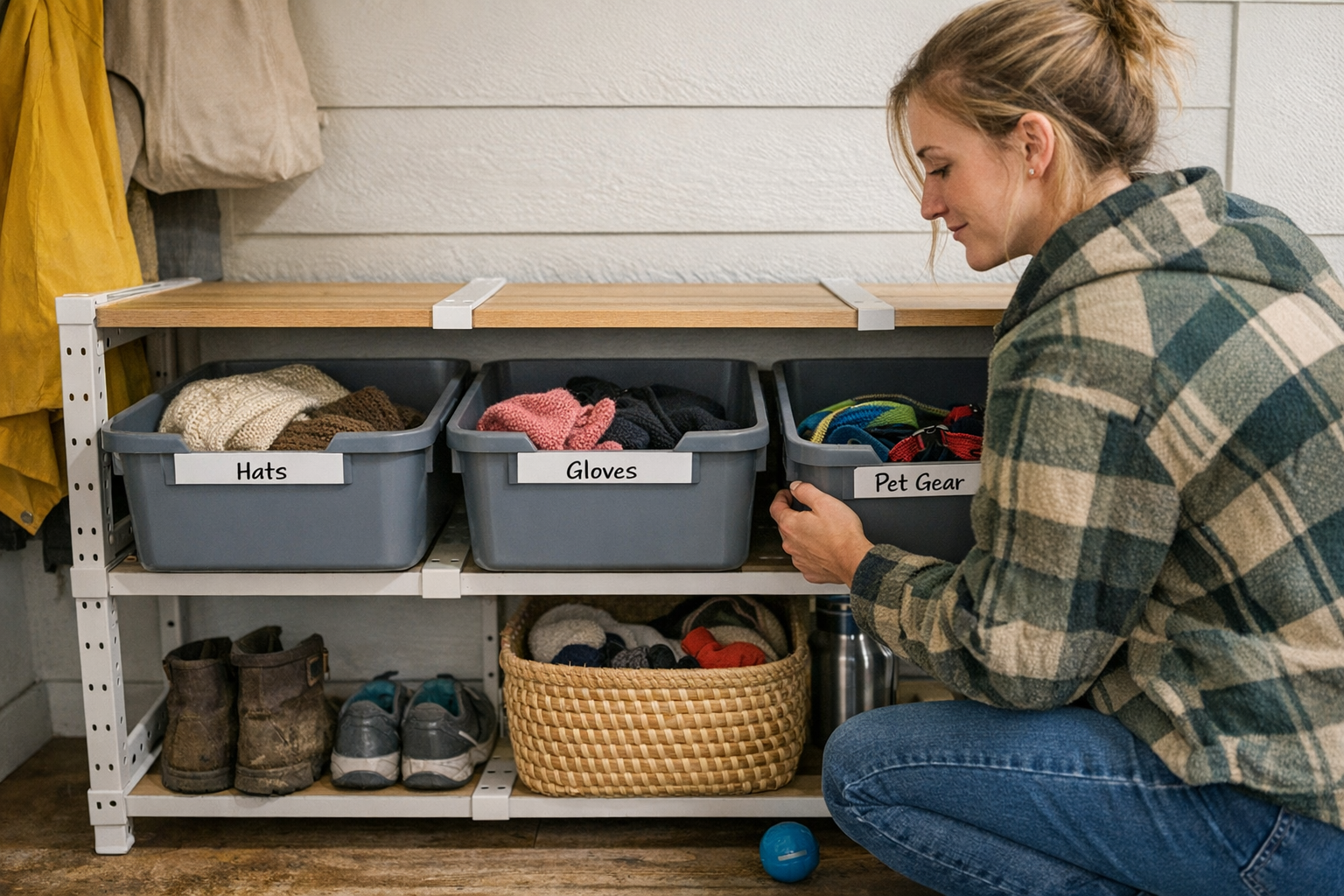
At first glance, everything seems in its place. The shelf is neat, each bin tucked in tight beneath its little label, and the whole scene offers a quiet sense of order that's easy to appreciate.
But it’s strange how a small shift—one crowded row, a single overstuffed bin—can unsettle that sense entirely. The system resists change just when you need it most: during those frantic, everyday moments when hands are full and labels start to blur.
This is when the real difference between shelf-edge labels and simple bin labels starts to matter.
The Subtle Confusion of Locked-In Order
There’s something comforting about a well-labeled shelf. For a while, it all seems to work: you find what you need, bins line up, and the categories make sense. You don’t notice the creeping friction right away.
But you feel it.
One busy afternoon, you try slipping a bin back into place but it grates against its neighbor. Another day, someone in a hurry just shoves a scarf wherever there’s room. Slowly, labels no longer match what’s inside. Categories blend, hats and gloves pile up, and the tidy surface begins to unravel.
I’ve watched this play out in a friend’s mudroom, where bins are supposed to organize the morning chaos. After a week, the system that looked perfect on Sunday feels unpredictable by Friday.
When Change is Inevitable
It’s easy to overlook the moments when you need the system to flex. Winter shifts to spring, the dog leash finds a new home, or the family suddenly needs an extra bin for soccer gear that doesn't quite fit anywhere.
If the bins can move easily—just enough space to slide one out, swap contents, or return things out of order—updating the shelf isn’t a project. The shelf-edge label adapts; the whole system keeps working with minimal fuss.
A small gap, less than a finger’s width, can be the difference. The ability to move a bin with one hand, without wrestling or scraping, quietly makes things easier day after day. Sometimes it seems insignificant, but over time, it keeps frustration at bay.
The Quiet Benefit of Breathing Space
The real insight is quiet: shelf-edge labels don’t create order; they depend on it.
An organized shelf only stays that way if it lets go a little—offering just enough give for things to change, and space for the unexpected to land. When everything is too tightly pressed together, even the best labeling system loses its thread.
Letting bins breathe is humble, practical—yet harder than it seems. It asks you to anticipate change, not just perfect the present arrangement. This small shift in mindset reshapes the whole experience of keeping things tidy.
Maybe systems last longer when they’re designed to move, not just to sit still.
These thoughts came together over a morning in my own mudroom, after quietly swapping bins for what felt like the hundredth time.