When Organized Spaces Hide Everyday Struggles
Closed or styled storage looks neat but slows access and resets; open shelves or clear bins show clutter early, aiding daily use and order.
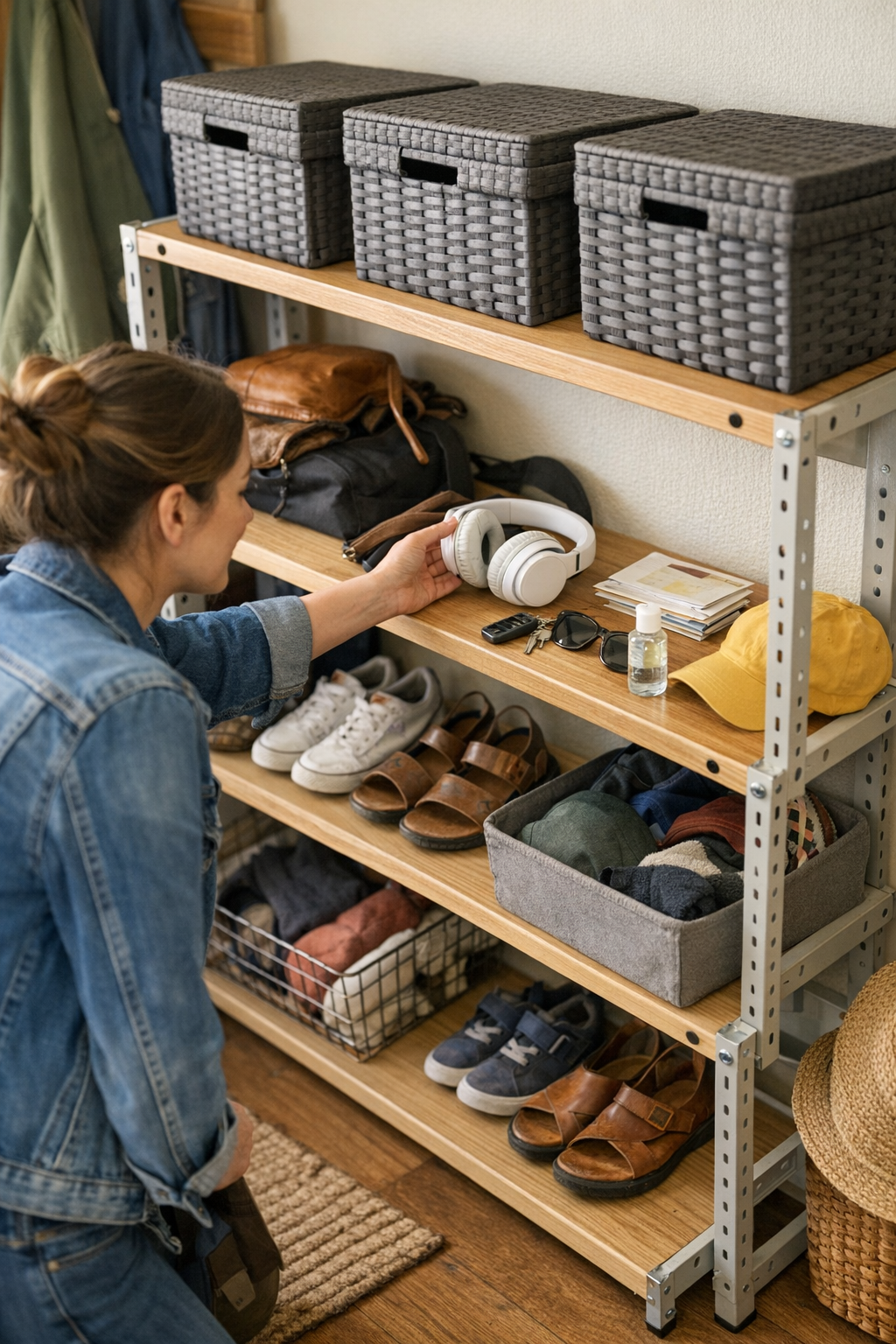
There’s a quiet envy that stirs when you scroll past those images—a row of identical baskets, not a thing out of place, everything tidied and serene. It looks so peaceful, so efficient. You imagine how life might be easier if your own shelves resembled this, how those closed bins could bring order. That pull is natural, almost primal: make it look calm, and maybe the rest will follow.
Storage is one of those subjects that only feels urgent when it’s not working. The topic slips in quietly, wrapped up inside the moments you lose searching for headphones, or finding a stray mitten in the wrong place. We don’t notice friction until it starts slowing us down.
The Invisible Trade-Off Behind Styled Shelves
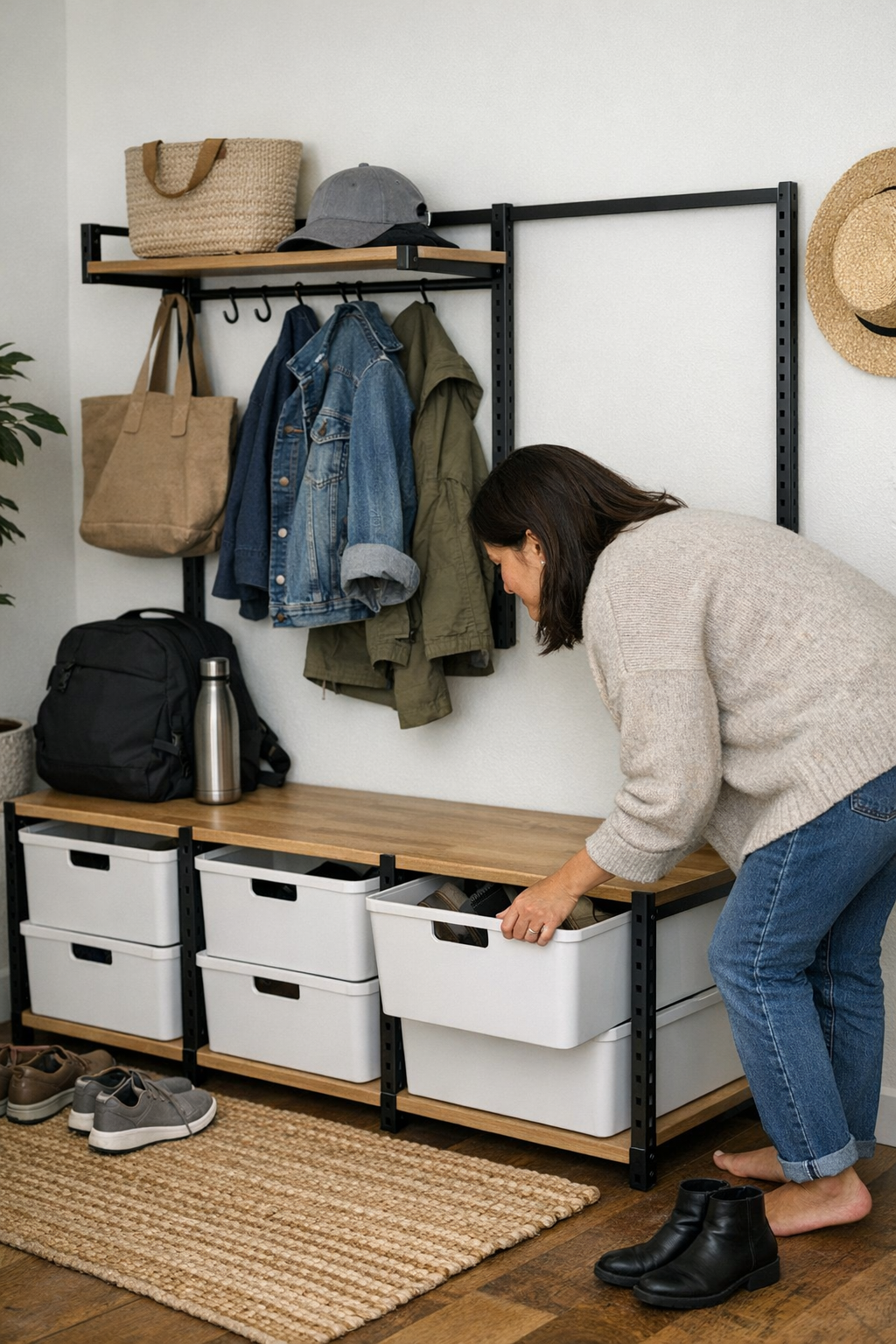
On the surface, bins and baskets promise a kind of order—tidiness you can see at a glance. But something shifts after a few days of real use.
You grab for your keys, but now they’re somewhere behind the second basket from the left. You dig, close the lid again, and instead of feeling peaceful, there’s a slight hesitation. You don’t notice it immediately. But you feel it.
It’s not that closed storage is wrong. It’s that the hidden nature of things invites a subtle blurring of categories. What seemed perfect begins to unravel slowly—categories merge, items drift. The peace you tried to build by hiding the clutter starts to demand its own kind of attention.
When Real Life Moves Faster Than Good Intentions
Real routines have a way of exposing these trade-offs. I noticed it most on busy mornings—those minutes before the front door closes, everyone scrambling for what they need.
Styled baskets sat in a tidy row. But, in the rush, nobody had time to open lids and check each identical container. Shoes and gloves just landed wherever they fit. The time “saved” by hiding the mess was quickly lost to the awkwardness of searching, double-handling, and the quiet frustration of never being quite sure.
It’s a small thing, but these moments accumulate.
Over the years, I’ve learned the difference: open shelves don’t promise perfection, but they invite everyday order. The shelf might look busier, even a little exposed. But in practice, grabbing and returning things felt easier, almost automatic. The visual clarity wasn’t always photogenic, but the rescue was in the rhythm of daily living.
The Refresh That Comes with Seeing Everything
The switch was unplanned: one day, a row of baskets was replaced with a clear, open shelf at eye level. Suddenly, essentials were all in view. No guessing, no digging, no double-checking.
What changed wasn’t just access, but atmosphere. The shelf felt lighter, less tense. The quick pause to reset—mail dropped in its spot, headphones picked up on the way out—became an unspoken habit. There was no longer a need to think twice or reshuffle categories silently.
And then something subtle happened: the space felt easier to share. Family, friends, visitors could find and return what they needed without needing “the system” explained. It was visible, understandable.
Maybe this is the overlooked beauty of visible storage: it may not look perfect, but it keeps the wheels turning.
It’s easy to chase the calm of a styled shelf—but hidden order rarely lasts where life happens in real time. Sometimes, a little transparency is what keeps everything working quietly, in the background, just as you need it.
These thoughts took shape while rearranging a well-used entryway shelf.