When Organized Spaces Start Feeling Like Obstacles
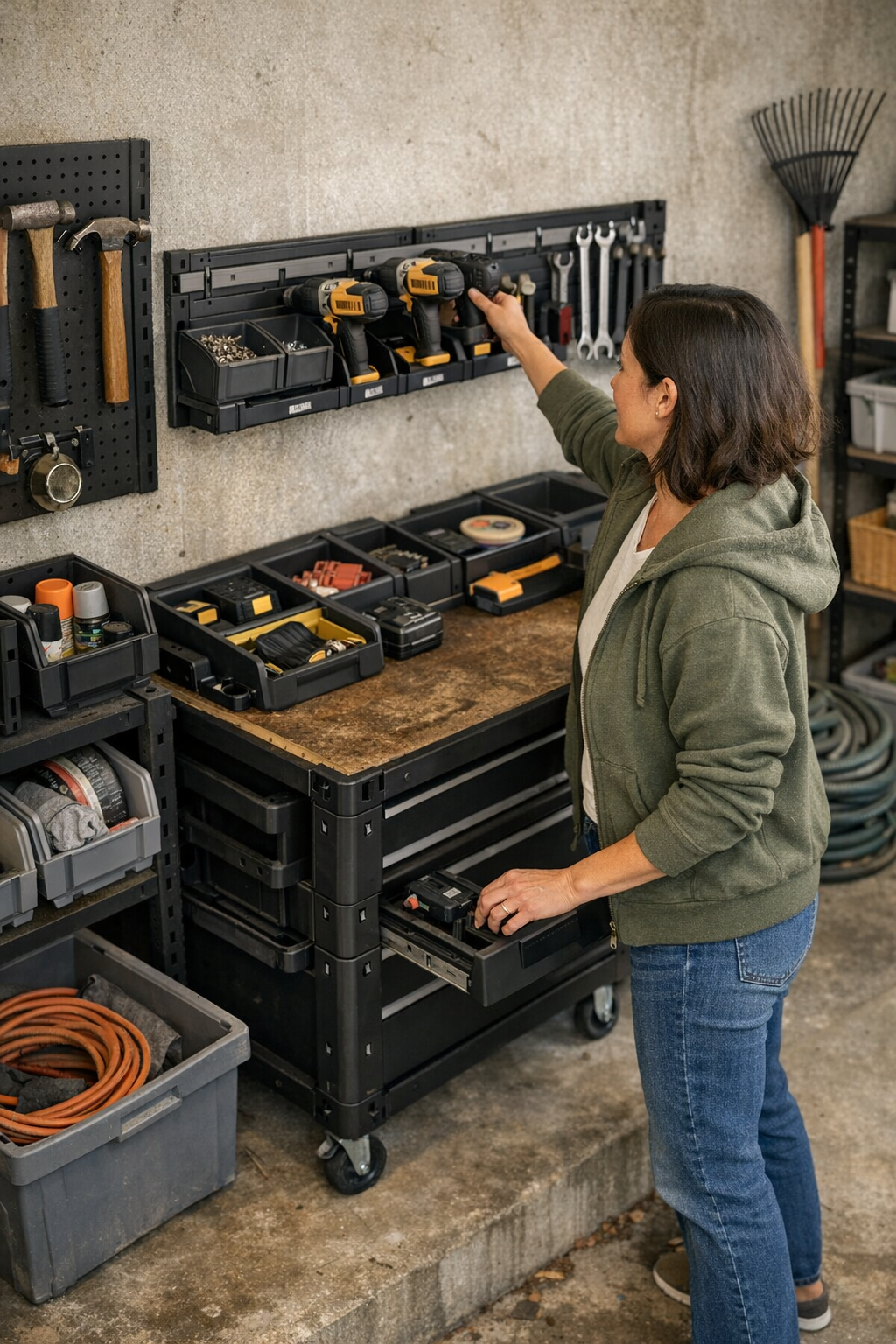
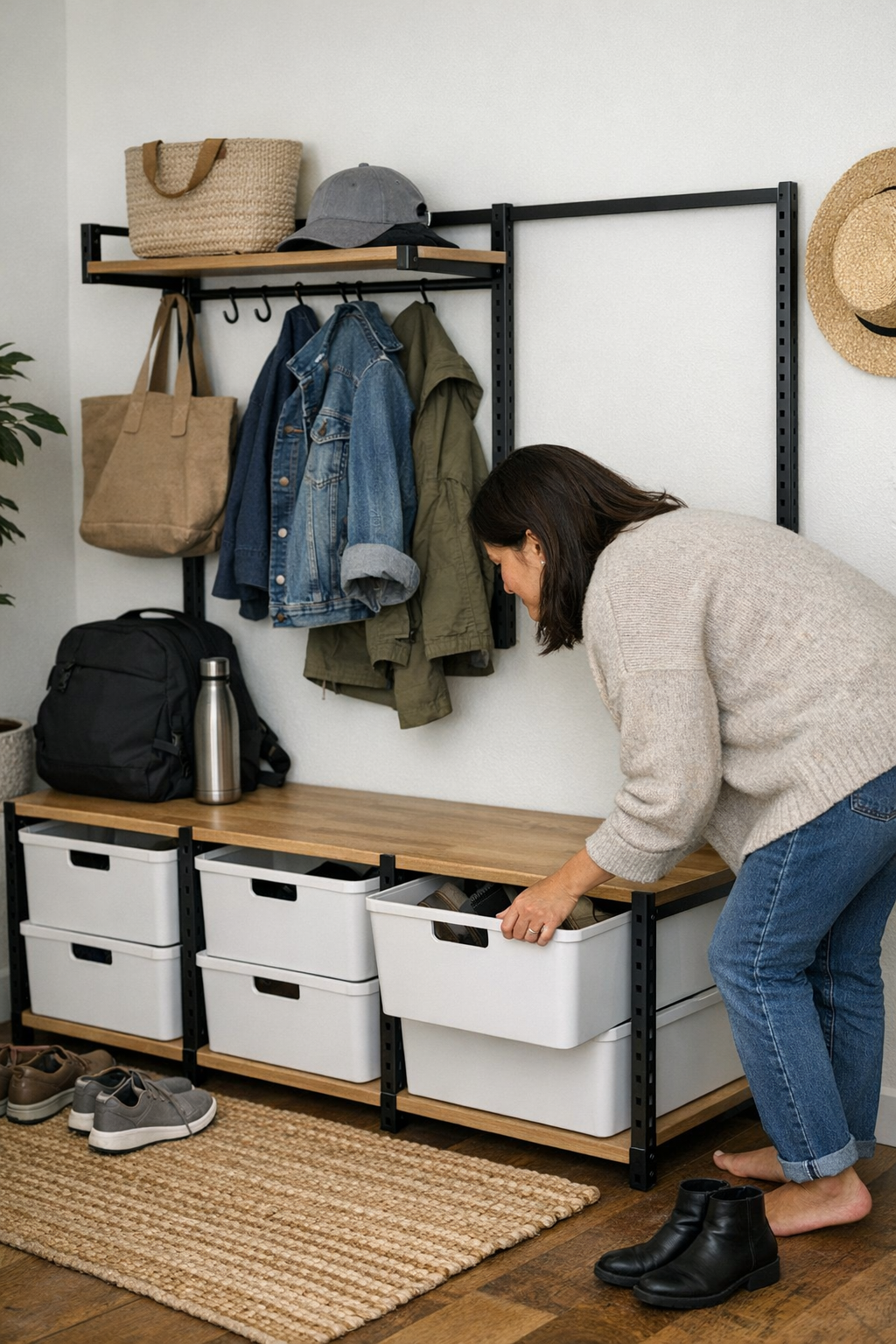
A storage system that looks great can cause friction if it blocks movement or collects overflow; reducing wasted space and barriers improves flow.
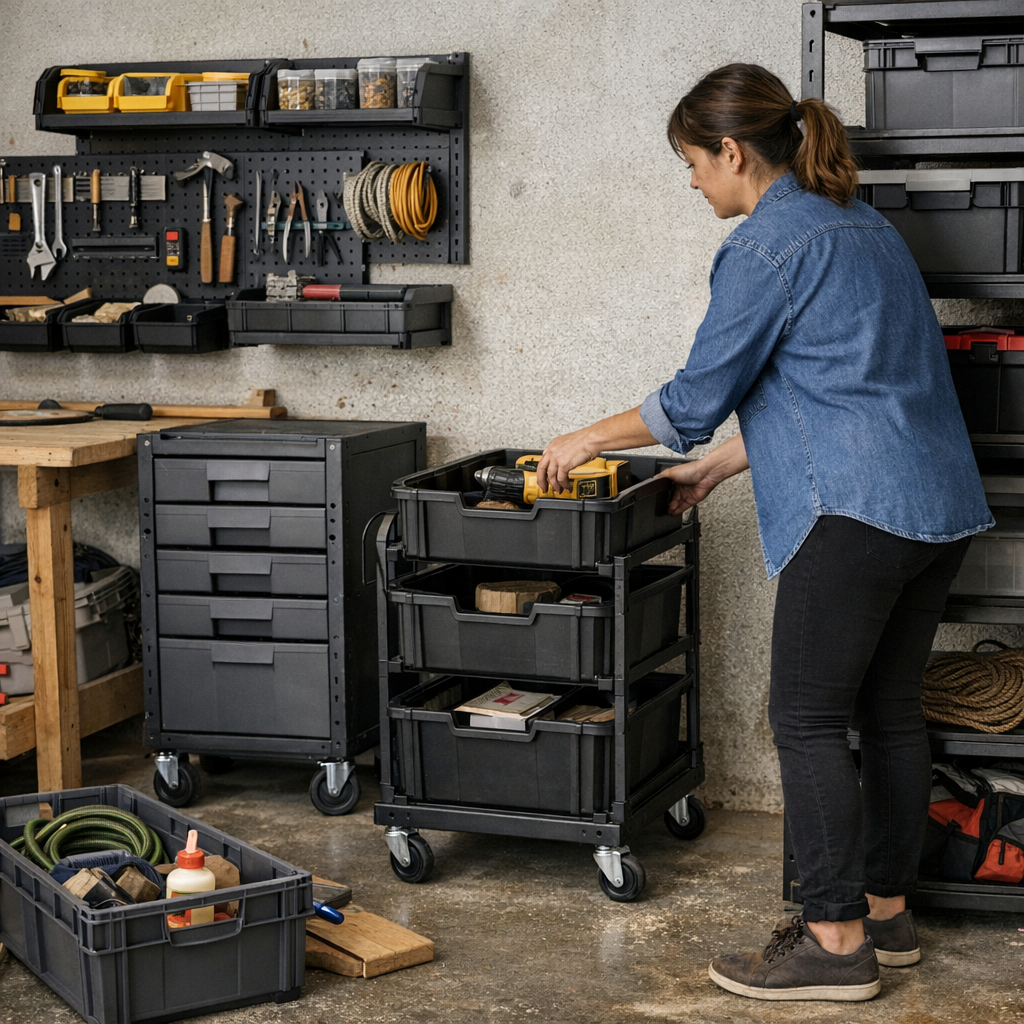
There’s a quiet kind of satisfaction that comes from seeing a perfectly organized garage or workspace—tools neatly arranged on a pegboard, labeled bins stacked just right, and the floor clear and open. It looks orderly at a glance. But there’s more to the story than what appears in photos: the daily rhythm of moving through the space, returning tools to their spots, and the small reaches, twists, or shuffles required to keep everything tidy.
You might not notice the difference at first between mere order and true ease of use.
But over time, you feel it.
The Subtle Friction of Everyday Movement
A clean layout can fool you. I’ve rearranged shelves, lined up carts, and mounted wall panels that seemed to solve all needs in the moment. Freshly set up, it all felt natural.
Yet friction often isn’t loud. It can be a rolling cart blocking access to a corner or pegboard hooks so close that grabbing a tool takes multiple motions. Gradually, these small obstacles add up: overflowing bins, awkward corners, and piles of items that resist being neatly returned. These tiny frictions quietly chip away at the convenience the setup promised.
You start noticing it in minor slowdowns during routines—or how clutter edges back into the space.
The Hidden Cost of Static Solutions
What looks efficient at first can become a source of fatigue over weeks and months. Spaces that hold everything but don’t flex with how you actually move and reset tools create subtle resistance. Spots fill and overflow; you avoid returning items because putting them away isn’t effortless.
I recall the slow tightening of a freshly organized workshop zone—each project demanded more shuffling. Tasks like clearing the floor and returning tools shifted from smooth resets to chores. It wasn’t storage capacity that failed, but the layout refusing to flex with real daily use.
That unspoken friction lingered quietly during pauses between jobs.
When a Small Shift Changes Everything
One day, I replaced a bulky chest with a smaller mobile cart and spaced out wall hangings just a bit more. Suddenly, there was room to breathe. The return paths were clear. No more twisting through tight corners or repeatedly moving a bin out of the way.
The change lifted the space unexpectedly. The workshop felt less like a puzzle and more like an open invitation—nothing demanding attention during breaks. It was a reminder that sometimes adjusting the flow of movement matters more than adding more storage.
A well-designed modular or mobile storage setup nearly disappears in daily use; it asks nothing of you. Only then do you realize what was missing.
This quiet difference grows more important over time—the sense that your workspace isn’t a source of micro-adjustments but quietly supports the real work behind the scenes.
These thoughts came while making small changes in my own garage and workshop setup, using mobile storage, wall-mounted panels, and modular pieces that respect real movement, return flow, and real-world reuse.