When Organized Spaces Start to Feel Like a Chore
A storage layout that seems perfect at first can deteriorate with use, causing blockages and reshuffling; better flow comes from accessible, clear zones.
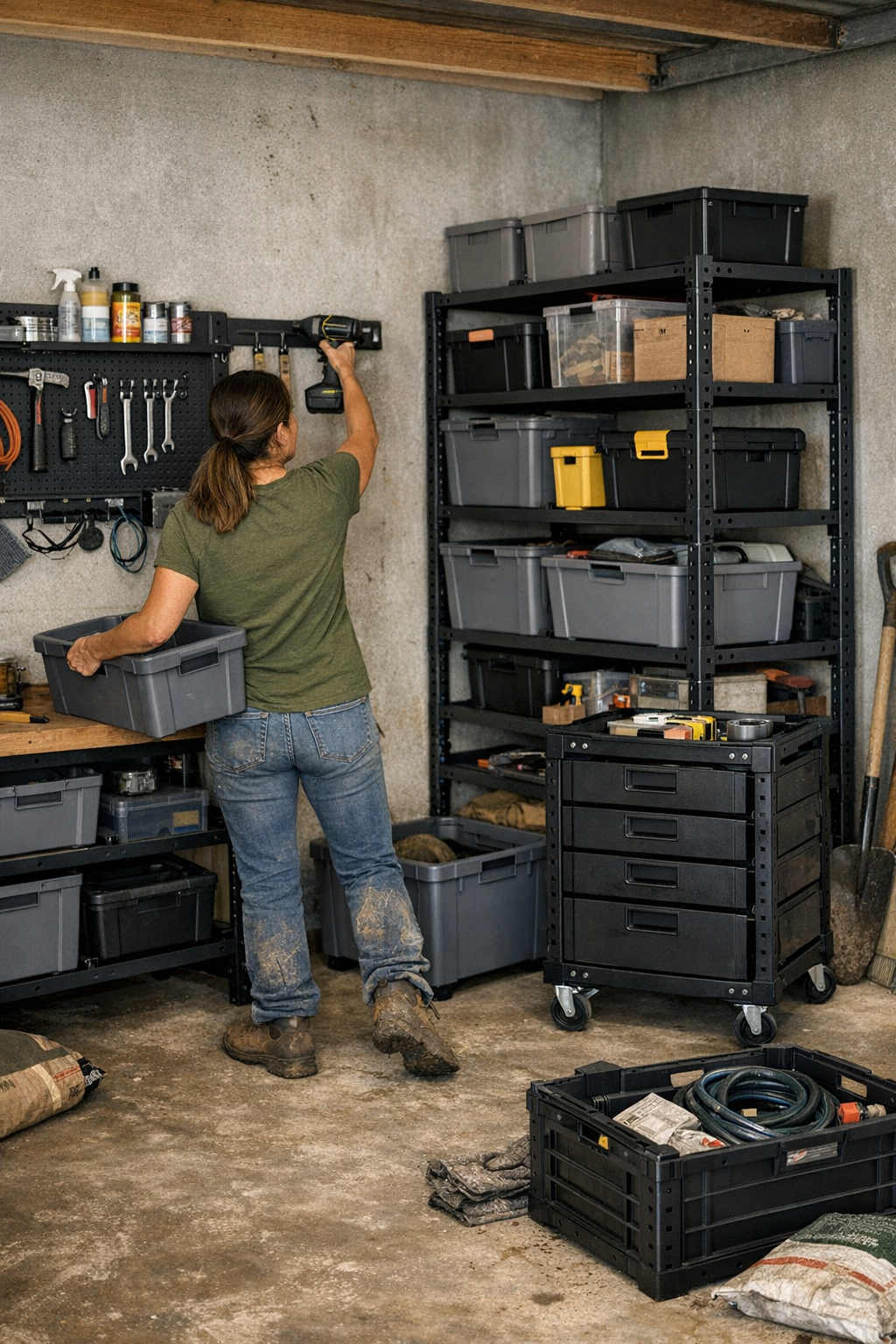
You don’t usually notice the slow buildup of clutter until you find yourself searching for a tool you’re certain you just put down—confident you had a “system” to prevent this exact moment. Most of us remember how a well-organized garage or workshop felt right after a thorough cleaning or setting up a new storage system. That initial order feels good, but it often doesn’t last. The reality is that a storage setup, especially in modular, wall-mounted, or floor-based systems, is less about the moment you finish tidying and more about how it handles the inevitable mess of daily return.
The Subtle Fights We Don’t Notice
Choosing between modular shelves, rolling carts, or wall-mounted racks usually seems straightforward—mostly about optimizing footprint or style. But the real challenge reveals itself over time. You don’t spot it immediately. Only after repeatedly putting things away do tiny frustrations build: an open shelf invites storage until one awkward bin ends up pushed to the back, buried behind an overcrowded pile you must shift just to reach what you need.
These small resistances disrupt workflow—a narrow path blocked, a box left on the floor. The wrong fit isn’t a disaster; it’s soft friction. You find yourself nudging, shuffling, or pausing where you expected smooth movement. These minor disruptions slow resets and add friction to your return flow.
What Order Doesn't Reveal
An organized shelf or labeled bin alone doesn’t mean the system will last. The real test is repeated everyday use—in weekend garage projects mixing with weekday chores, and “just for now” storage becoming permanent. Gradually, easy access erodes: a box gets repurposed, a tool lands somewhere “temporary,” and that once deliberate setup slips into clutter.
In my own workspace, I saw this clearly. A shelf that started pristine gradually blocked access as new items piled in. After fishing a wrench from the back of a crowded bin one afternoon, it was clear the system had quietly failed—too many small obstacles, too much hesitation, and insufficient flow. The neatness had disguised movement difficulties.
A Small Shift That Changes Everything
Noticing exactly what slows you down brings relief. Swapping deep bins for a wall-hung rack mounted above the workbench turned putting tools away from a chore into muscle memory—each return smoother, less like a negotiation. Tools stayed visible, no longer wedged behind other items. There was less stacking and fewer “just put it anywhere” moments that often start hidden clutter.
That one physical adjustment—one fewer step, one clearer path—changed the entire mood of the space. A workspace that works with you, not against, offers quiet focus. Efficiency isn’t about looks but the patience of repeated ease.
Clarity in storage isn’t about how it looks right after a big cleanup. It’s about how gently your system lets you move, return, and reset day after day with minimal friction. Often, the most effective fixes aren’t dramatic. They’re the ones you stop noticing, because suddenly, you’re flowing.
These reflections grew from rethinking the practical use of modular storage, wall-mounted racks, and floor-based systems in my own garage and workshop. Small, purposeful changes can quietly open new possibilities—or quietly close them.



