When Organized Spaces Start to Feel Like Obstacles
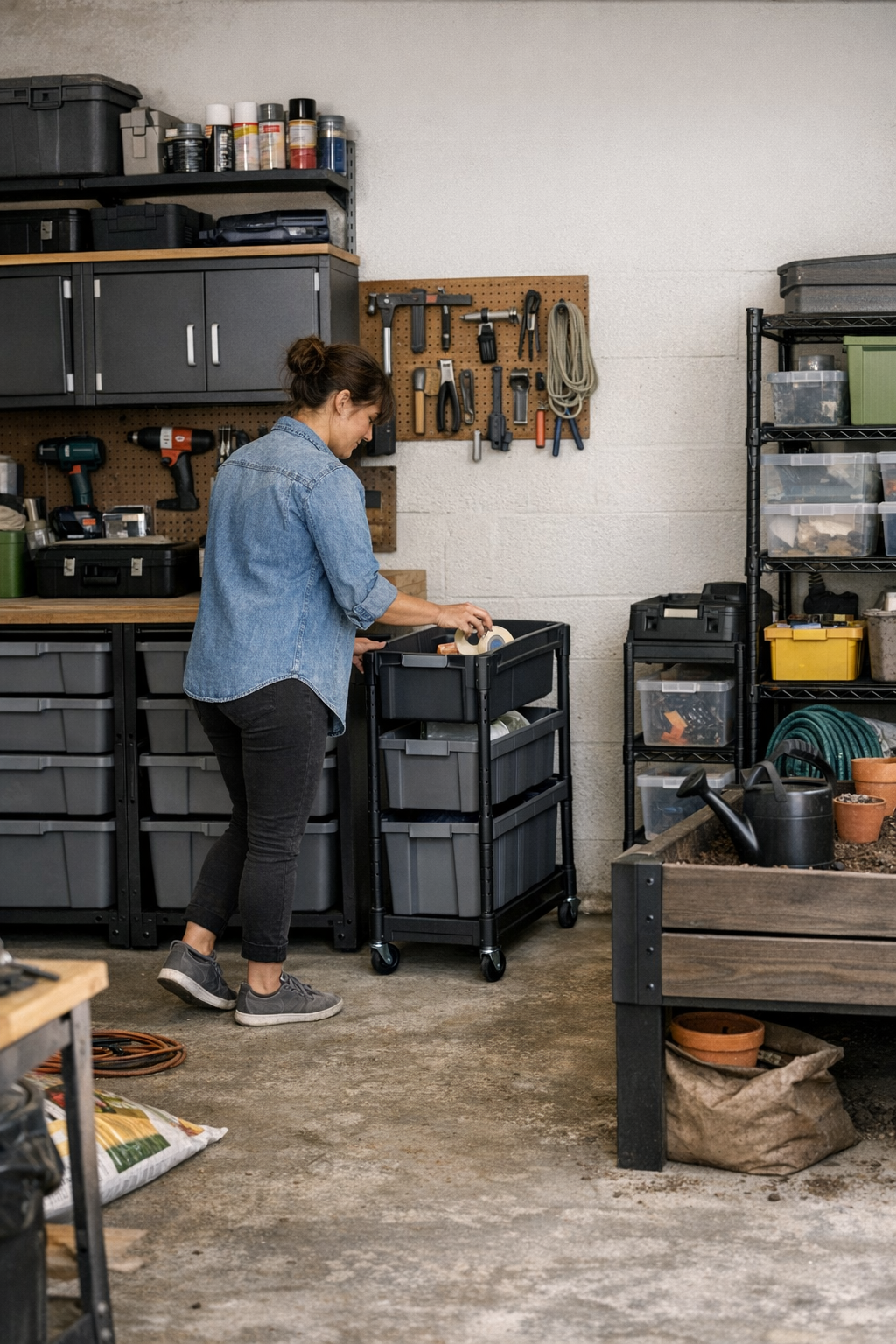
Repeated use shows if storage truly minimizes movement friction; adding a mobile rack with a pass-through eased workflow and reduced reshuffling.
It’s easy to assume that a space lined with uniform cabinets and shelves means everything is under control. Boxes and bins tucked and labeled, surfaces smooth—an organized room that looks impressive. But order doesn’t always mean ease of use.
At first, you don't notice the subtle costs. Your garage, workshop, or backyard utility area feels logical, the storage system neat and stable. But after a dozen trips moving things around, a hidden resistance settles in. What should be a smooth workflow starts to feel like a chore. Good storage quietly fades into the background of daily use. Poor storage creeps into your routine as constant friction.
The Allure (and Trap) of Perfect-Looking Storage
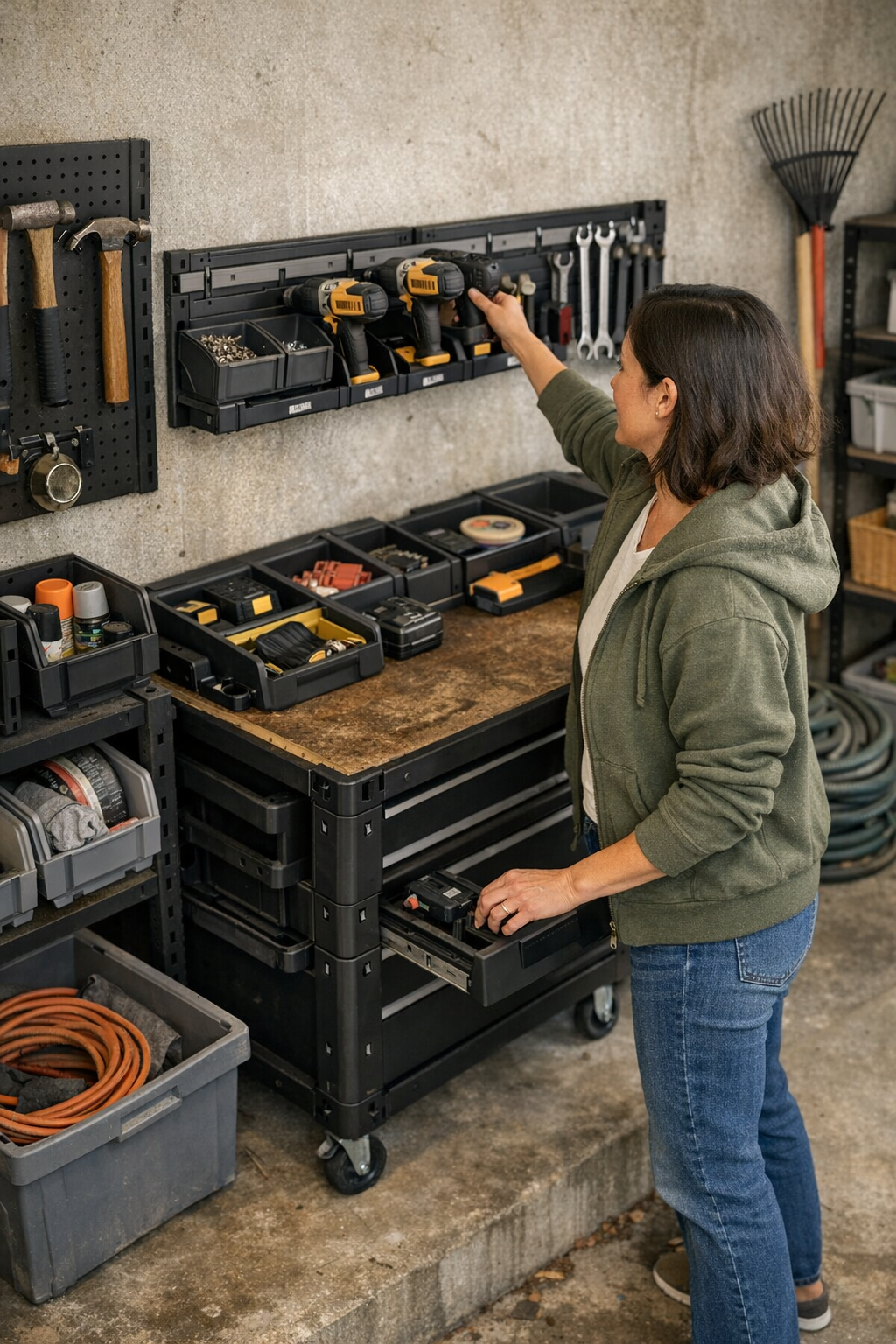
I once trusted clean rows of wall-mounted cabinets with every box perfectly arranged above rolling carts. On paper, it promised constant neatness. In practice, each busy day pushed the limits: a bin blocking a path, a cart you sidestep, a corner getting crowded after every supply run.
You don’t notice these obstacles immediately.
But you feel them.
Every time you have to move something out of the way before reaching what you really need, there’s a small pause. Each detour around a shelf or stack adds up to extra effort. Over time, even a beautiful wall of storage can feel dense, crowded, and unwelcoming.
Where Real Friction Hides
After living with a setup for a while, the trouble spots become clear. Maybe a morning comes when you have to stretch awkwardly past heavy gear for a small item, or you start avoiding that back corner entirely.
The core issue is rarely clutter itself but flow. Even the most orderly space can cause daily headaches if movement is blocked or overflow has nowhere to go. It’s not just things being in the way; it’s routines slowly building up in dead ends and corners, adding effort nobody accounted for.
Sometimes, the smallest changes make a big difference. Swapping a section of fixed cabinets for a single mobile shelf on wheels created a narrow pass-through—a slim gap just wide enough for quick access on busy mornings. Supplies found a more logical home, right where they were needed most. It wasn’t dramatic, but it made daily use feel easier and less crowded.
Rethinking What “Efficient” Really Means
Wall-to-wall storage often seems like the smartest approach: more containers, less mess. But in the reality of daily work, clear paths and flexibility—moving carts, leaving intentional gaps—keep things light and adaptable.
If you’re always nudging bins aside or avoiding part of your garage or workshop, that doesn’t mean you need more organization. It means your layout isn’t working for your workflow. The best setups seem to “reset” themselves after use—there’s always a place for things to go and an open route back.
I think of this whenever I encounter a space that looks perfect on paper but is frustrating in practice. Sometimes the most effective change is simple: making space not just for storage, but for movement and repeated use.
These insights landed clearly one morning while reorganizing a friend’s workshop corner.