When Organized Spaces Start to Feel Like Obstacles
Long-lasting storage depends on easy reach, movement, and return without blockages—efficiency shows in repeated use, not photos.
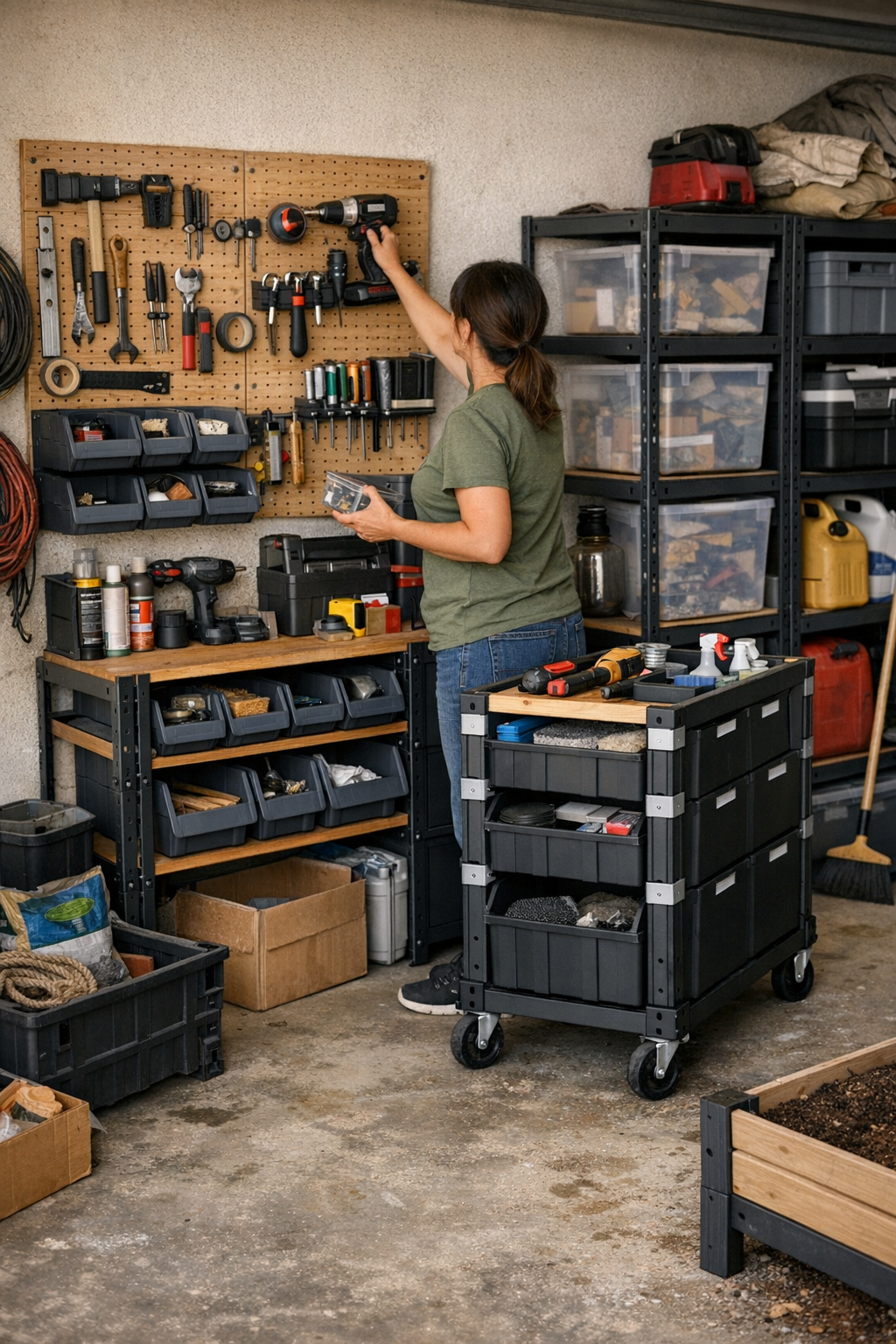
You never really notice a smooth garage or workshop setup—at least, not until something interrupts your flow. Maybe it’s a tool that isn’t where you expect it. Maybe it’s an awkward shuffle past a shelf that looked perfect right after setup but now gets in the way.
There’s something strange about what only becomes clear after the initial excitement fades. That clean row of modular carts, the neat grid of wall-mounted shelves—they impress at first, but real routines reveal their flaws. The places you reach for most, the tools that slowly migrate closer with use. Organization becomes less about a perfect look and more about the quiet flow behind it all.
The Hidden Costs of Looking Tidy
The first impression is seductive. An evenly-packed pegboard, matching bins lined up, the promise that every tool has its place.
But there’s a gap between looking organized and actually inviting effortless use.
You don’t notice the gap right away. But you feel it.
One misplaced handle can hold up everything. The mobile cart, placed just a bit too close, soon blocks your path. Hooks arranged for symmetrical pride turn into tiny puzzles—unhook one item, disturb another. Overflow begins to collect in corners you’d hoped to keep clear.
Little by little, that initial magic fades.
When Reality Pushes Back
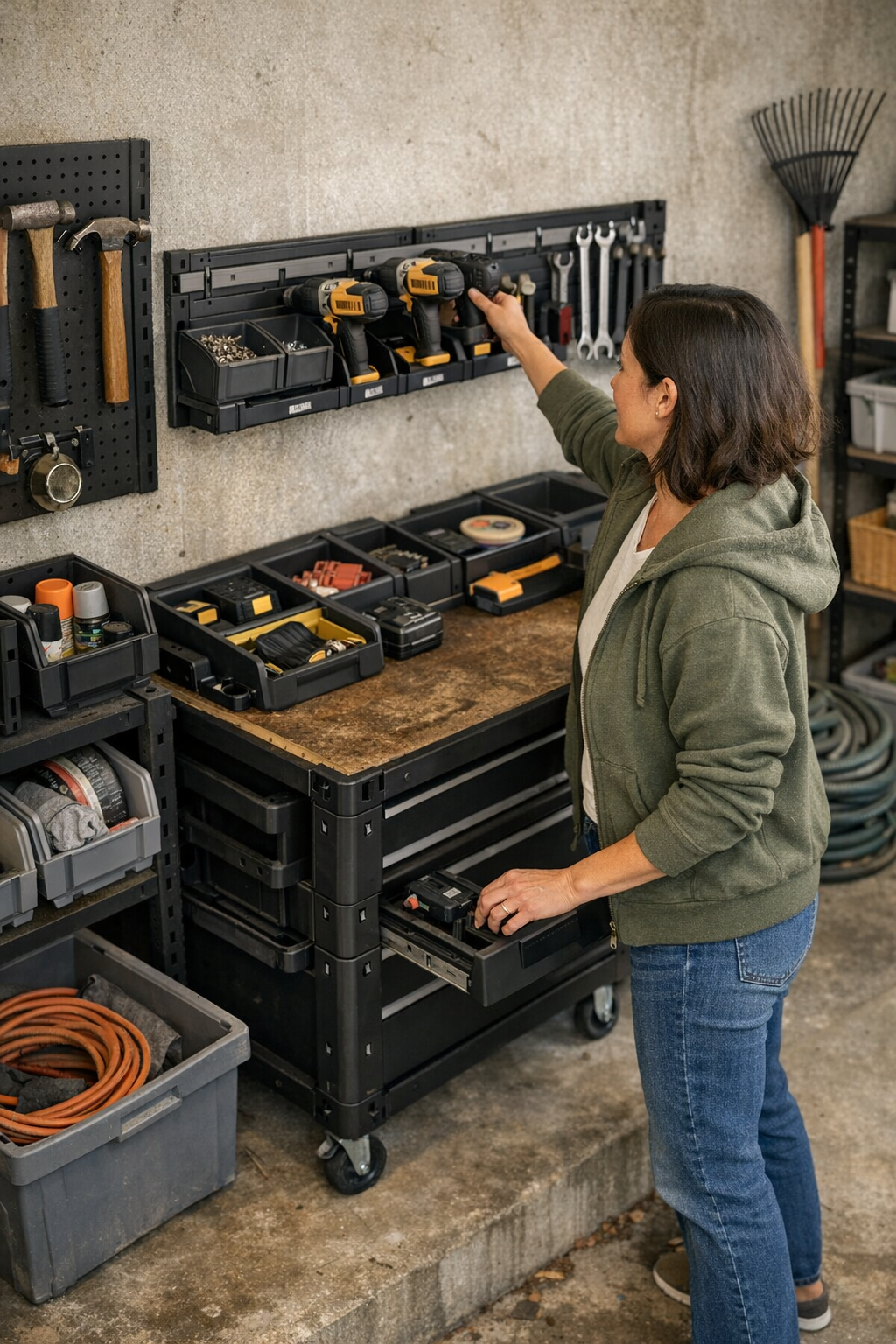
Over weeks, a storage plan’s true curves show themselves. In my own garage, that wall-mounted board, once a symbol of neatness, became a hassle: my driver bits tangled with clamps, always blocking quick access.
The slim rolling cart never settled where I intended. It drifted, blocked paths, and soon became the resting place for every item bumped off its hook. Adding more modules or upgrades wasn’t the answer.
Instead, the fix came when I quietly admitted what really got in the way—the peg hooks set a thumb’s width too close together at shoulder height, or the cart’s wheel one turn into my walking path.
At first, I thought I was just losing patience. But watching old routines slow down, I realized: organization is supposed to prevent hesitation and stagnation, not cause it.
The Real Test: Easy Return
It’s not the first day that counts, but the quiet confidence to reach for a tool and put it back without thinking, again and again.
I separated the essentials—just a few, at shoulder level, with extra room around each. The cart shifted slightly off the main path but stayed ready. It was a small tweak, but suddenly, everything moved smoothly again.
Maybe that’s the real insight: good storage isn’t a finished picture, but a rhythm you settle into. The clearest system is often invisible because it doesn’t interrupt your flow.
When you step back at the end of the day, there’s no feeling of having to start over tomorrow.
These thoughts took shape during a quiet afternoon, tinkering in my own ever-changing garage.