When Organized Spaces Start to Feel Like Obstacles
Most storage setups reveal flaws after repeated use; blocked access and awkward return flow cause clutter and wasted effort over time.
At first glance, order in a workspace feels effortless. Tools line up neatly on modular racks, shelves mount square to the walls, surfaces stay clear. Everything sits in its place, quietly waiting for you to begin your work.
But it doesn’t take long for that quiet order to slip toward quiet chaos. You reach for a tool. Put one away. Shift a bin just a little closer to the door “for now.” Small moves, barely noticed—until the change becomes unmistakable.
The Illusion of Tidy Spaces
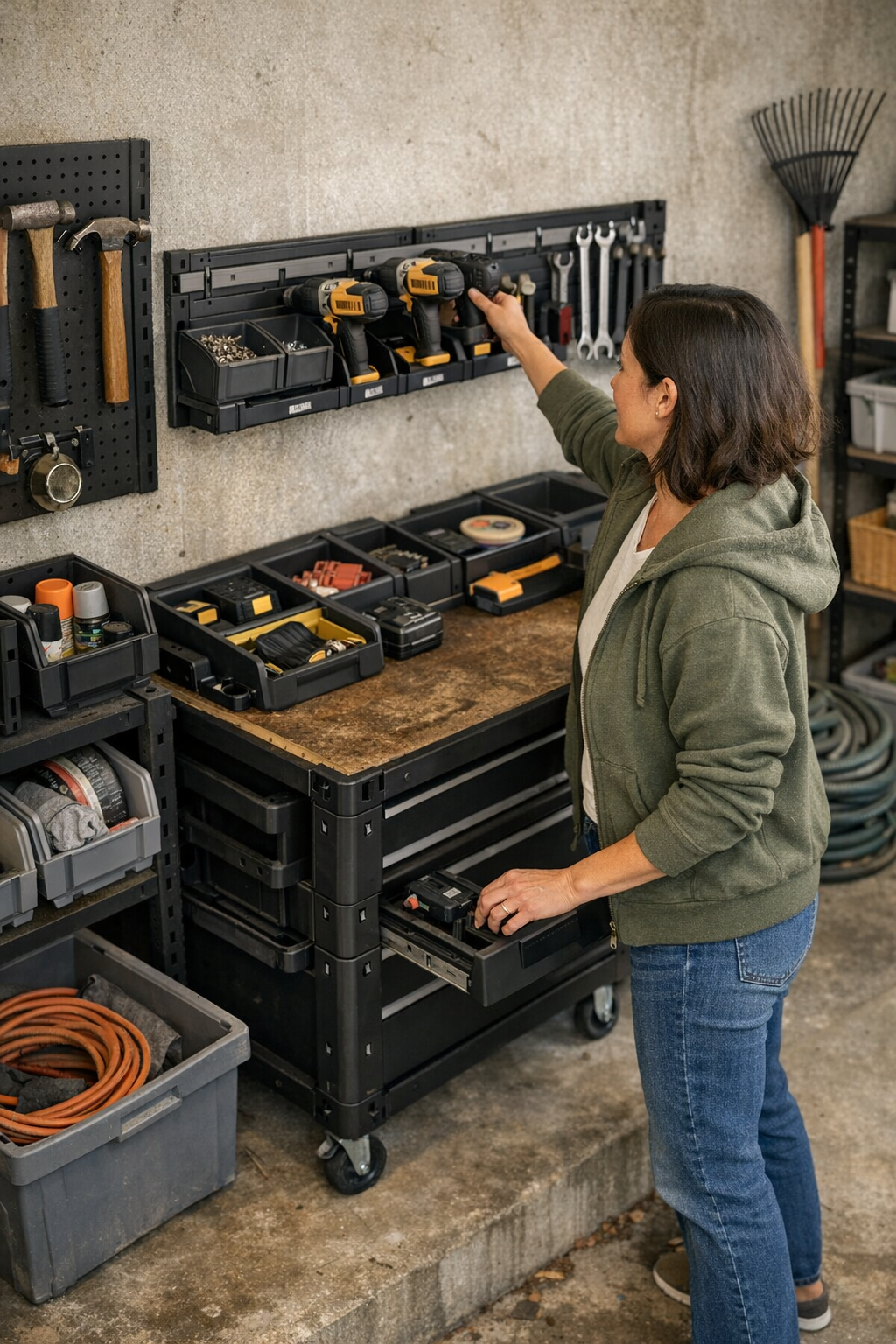
Most garage or workshop setups—rows of hooks, mounted bins, floor-based storage—look great when new. You might stand back, admire the clean lines and neat arrangement, much like the glossy photos in a brochure. They promise order by design.
Yet, that promise only holds at first. The friction is subtle at first, only appearing after a few cycles of actual use.
Then you feel it.
The space seems to both expand and shrink. A shovel leans against the wall instead of hanging. A shelf that once stayed clear now overflows with unopened bags or tangled cords. Tools drift closer to the work zone, slowly breaking away from their designated homes.
How We Move Reveals the Truth
It is only through repeated motion and real use that a system’s strengths or weaknesses fully reveal themselves. A setup that looks neat on day one can unravel after a single weekend project.
You start noticing movement bottlenecks. Maybe you have to squeeze past ladders, shift containers just to return a wrench, or make small detours that add up over time.
Pause and the pattern becomes clear: when putting something away feels harder than grabbing it, your system’s flow has quietly broken down. The result? Clutter creeps in from corners and floorspace, blurring the boundaries you tried to enforce.
A Small Shift That Changed Everything
I noticed this in my own garage—how some hooks or shelves became impossible to reach after a busy day. So I tried an experiment.
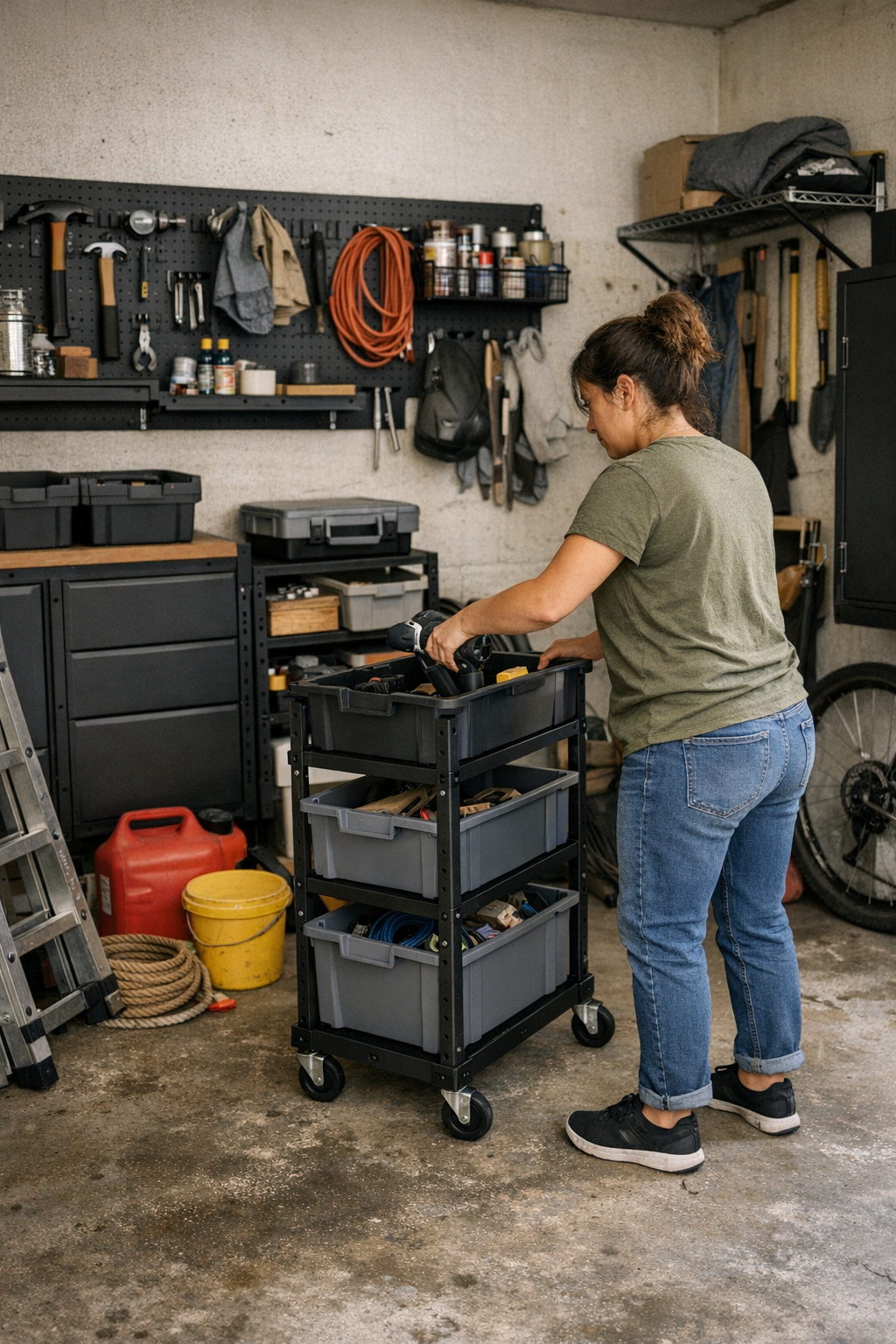
I softened the layout. Lowered a few of the most-used hooks. Pushed less-used storage further out. Most importantly, I added a movable cart close to where most work happens.
It changed more than just the look. Suddenly there was a buffer—a convenient spot to drop tools momentarily, gather up odds and ends, then restore them in one slow, mindful return. The benefit wasn’t just neatness, but less friction, fewer small frustrations, more room to breathe and move.
It becomes clear: the value of a storage system isn’t about how tightly it clings to the wall or how symmetric it looks on a quiet afternoon, but how gracefully it keeps up with daily mess and motion. When access stays open and resetting feels easy, the whole zone simply works.
Sometimes a setup stays invisible and supportive—and you only notice when it disappears.
These thoughts came while straightening up after another half-finished project.