When Organized Spaces Start to Feel Like Obstacles
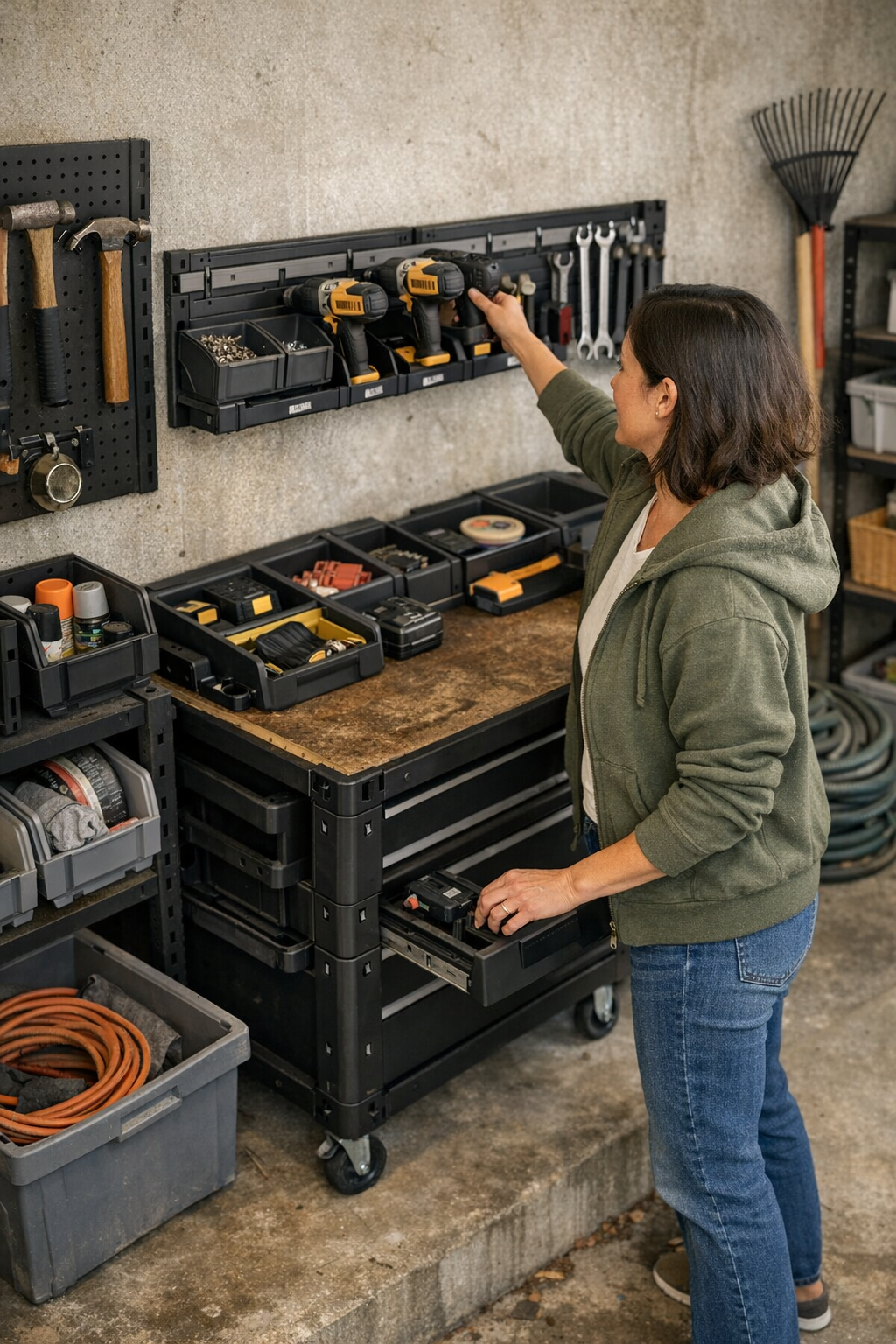
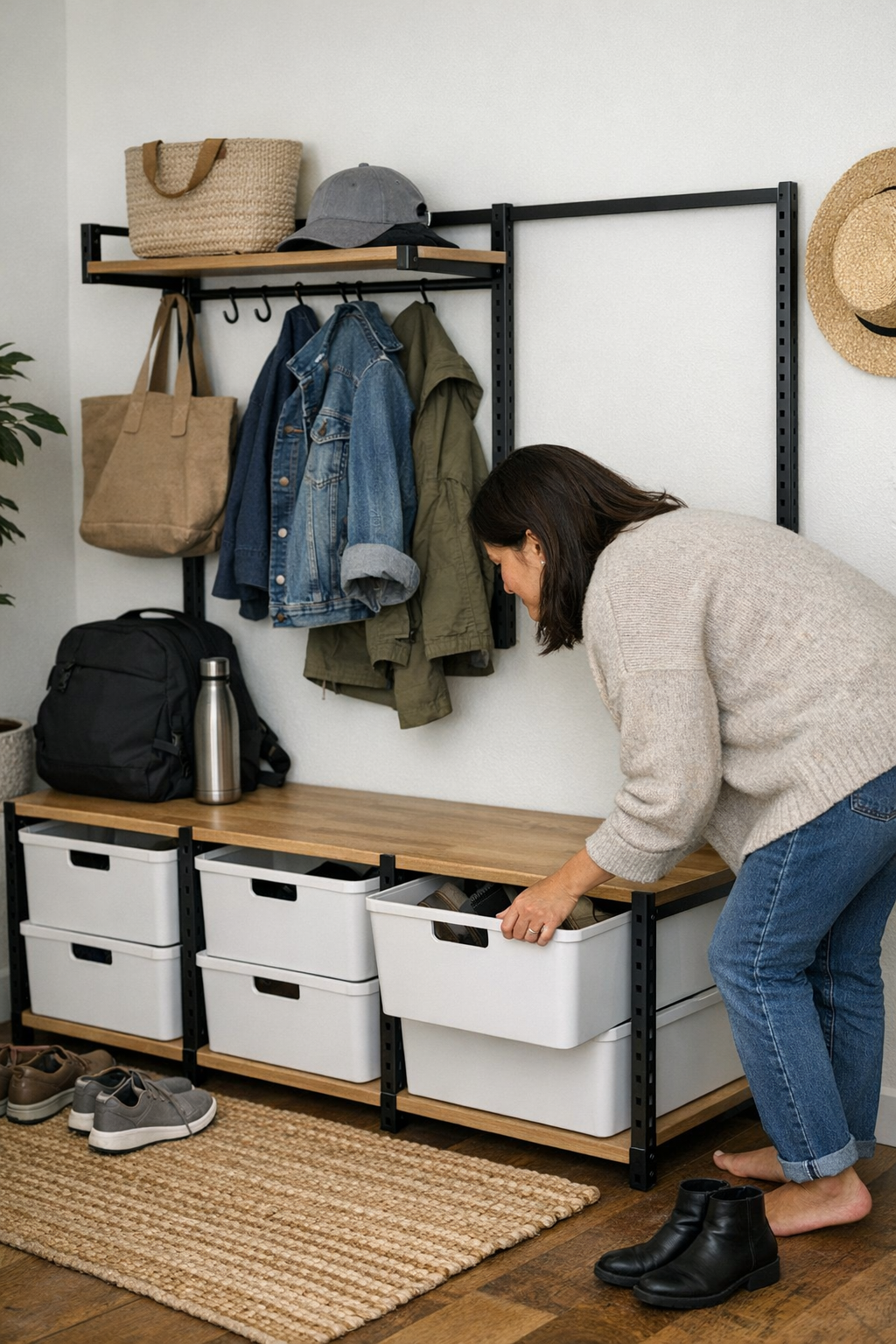
The best storage setups support easy, repeated access with steady movement and little reshuffling, making daily routines far smoother.
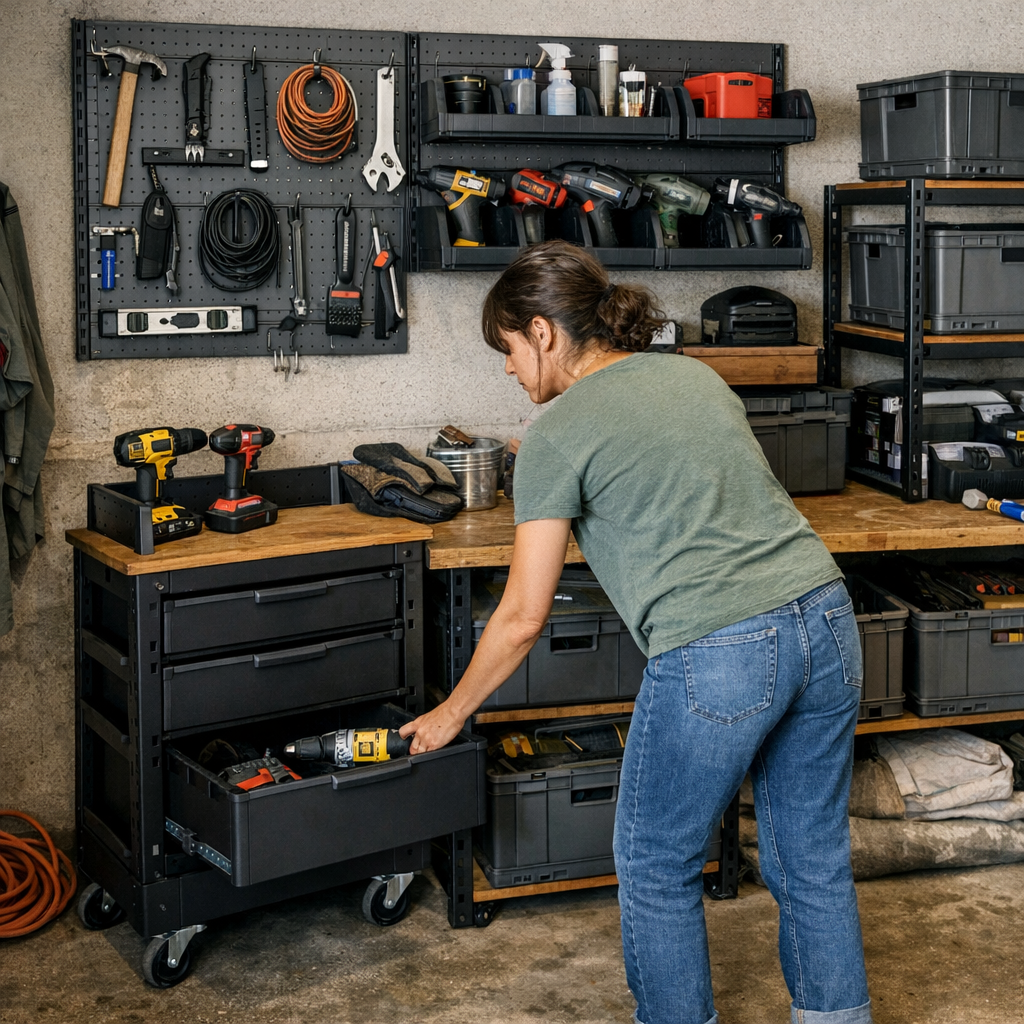
There’s a comfort in a room that looks tidy. The first time you walk into a freshly organized garage or workspace, you might feel a kind of optimism—like every tool, bin, and box has finally found its place. Modular storage systems, mobile carts, wall-mounted holders, and floor units all working together promise ease and order.
But it’s not until something breaks this quiet rhythm—a wobbling shelf, a cluttered pathway, or an overflowing floor unit—that you realize how temporary that feeling can be. Everyday routines quietly test what “organized” truly means, especially when it comes to practical garage setups, workshop storage, and backyard utility areas.
The Hesitation You Don’t Notice at First
In the early days, it all works. Wall-mounted racks keep tools in neat rows. Mobile bins line up where they’re easy to reach. There’s a real sense of control, and you might go a few weeks without giving the layout much thought.
But as you reach for a heavy drill or the box on a high hook, small inconveniences start creeping in. You don’t notice them immediately—but you feel them.
A mobile shelf slides slightly when you grab something. Floor units crowd the space where you want to stand. Baskets placed above shoulder height demand awkward stretches you never quite get used to. Before long, certain corners stop inviting you over. They become zones to avoid, mentally flagged as “temporary,” with a promise to sort them out later.
When Routine Quietly Breaks the System
I remember watching my own garage change over time. Initially, the wide wall panel I installed kept every tool within reach. It worked well—until it didn’t.
By the fourth week, resetting tools onto the panel took more effort. The heaviest items didn’t fit comfortably above the bench without a pause. Tasks that should have taken seconds required small detours around overflow creeping in at floor level, right where my feet wanted to stand.
It’s rarely dramatic. Instead, it’s a steady buildup of small hesitations. Each time I shuffled bins on the floor or sighed before putting something away, I realized the system wasn’t supporting the way I actually worked. The storage looked orderly, but friction crept into repeated movements.
The Quiet Shift That Changes Everything
Sometimes it takes only a small change. Lowering the most-used tools to bench height, moving rarely touched supplies higher up, and leaving everyday items close at hand. Suddenly, the awkward stretch disappears, and the return path clears.
The difference isn’t just tidier shelves. It’s how the space feels: lighter, less resistant, more forgiving. The floor stays open, and the workbench no longer catches overflow items.
Routines stop fighting against the room. Instead, they settle into a smoother rhythm—the kind you almost don’t notice until you realize you’re no longer dodging piles or detours.
In the end, the real measure of any storage system—whether wall-mounted panels, mobile storage carts, floor-based units, or raised-bed solutions—isn’t how good it looks on day one. It’s how silently it keeps up with everyday movement, how rarely you have to think about placement, and how well it adapts as your use grows.
These reflections came to me while adjusting shelves in my own small workspace. Thoughtful arrangement and regular reset keep the system truly functional, not just tidy.