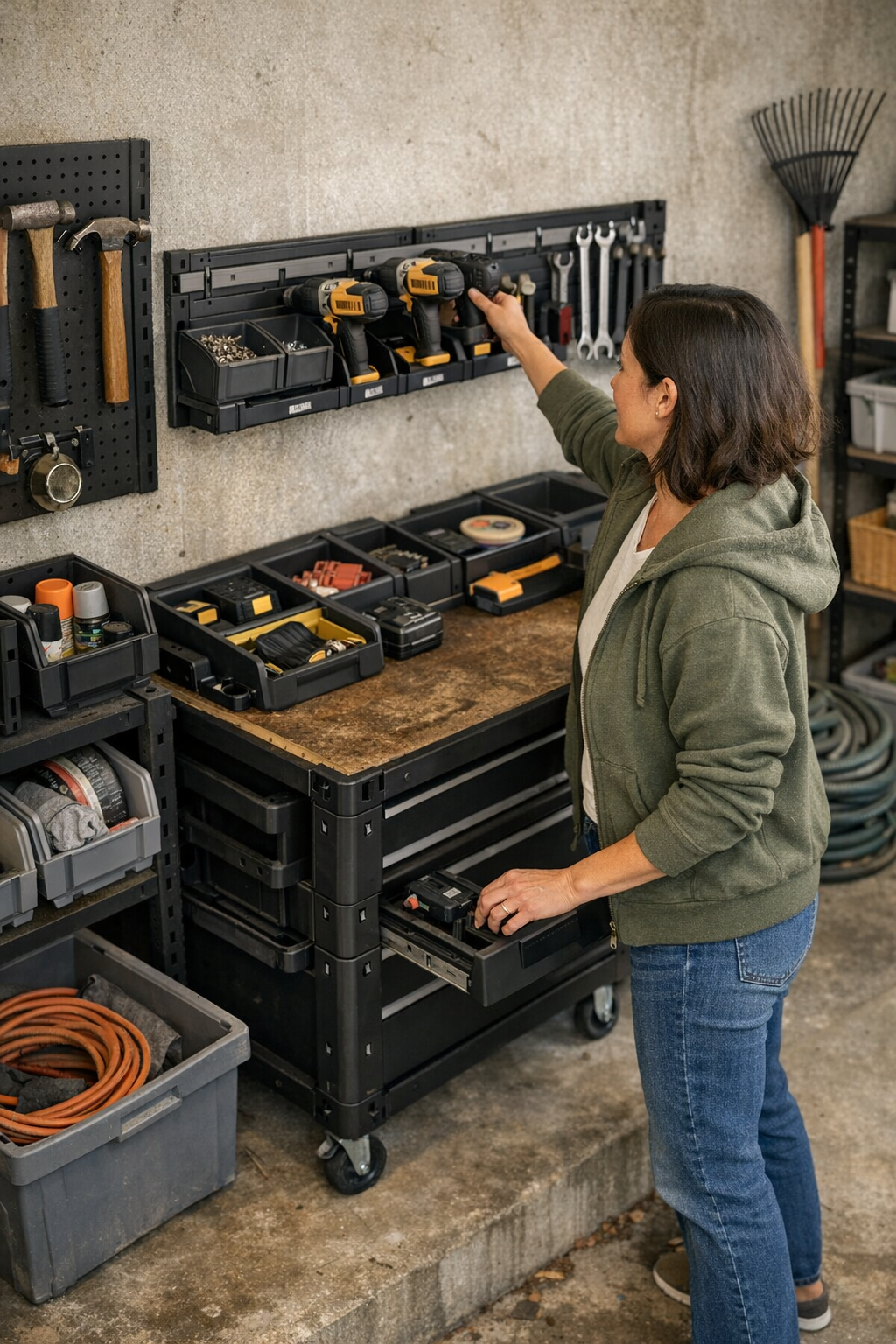
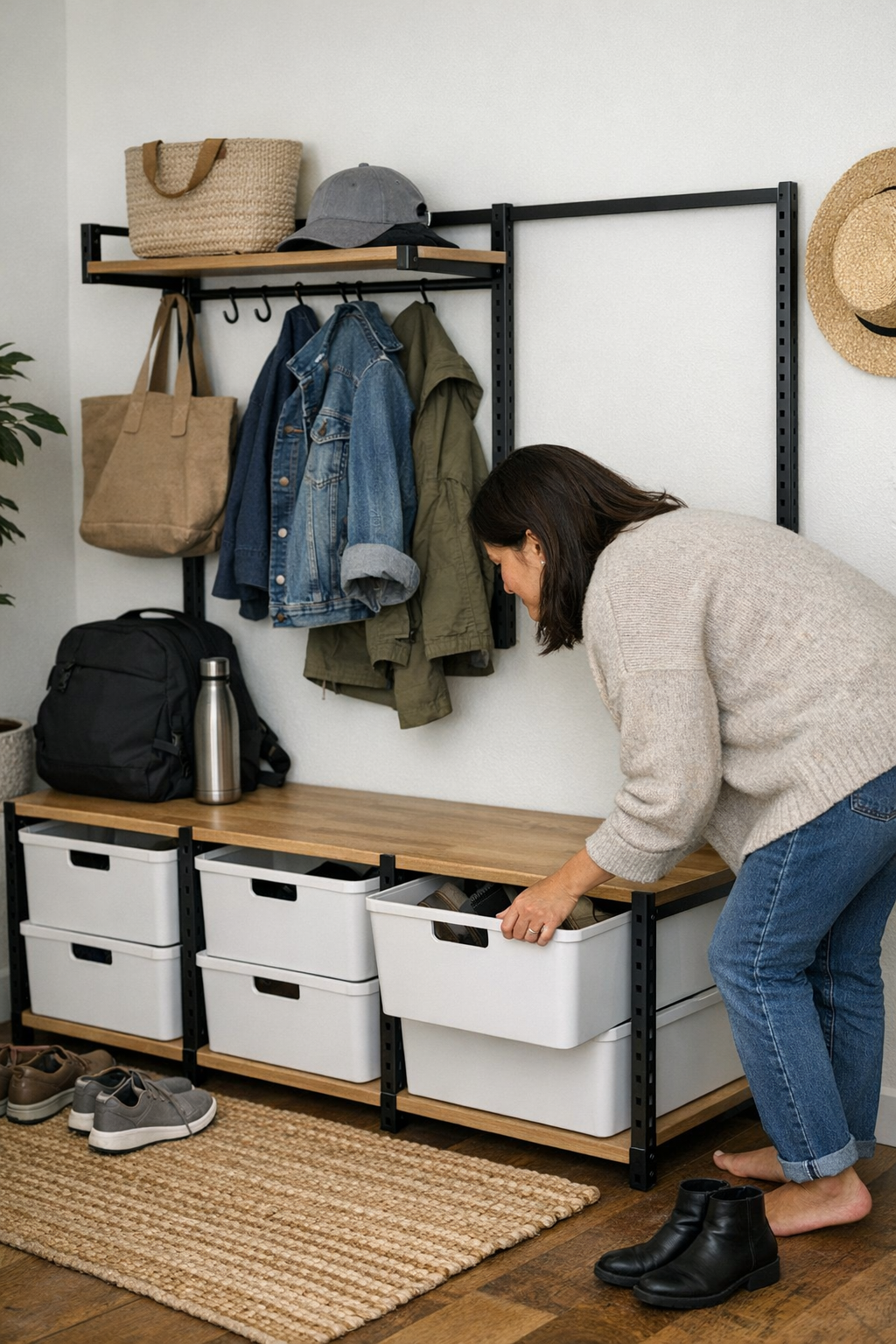
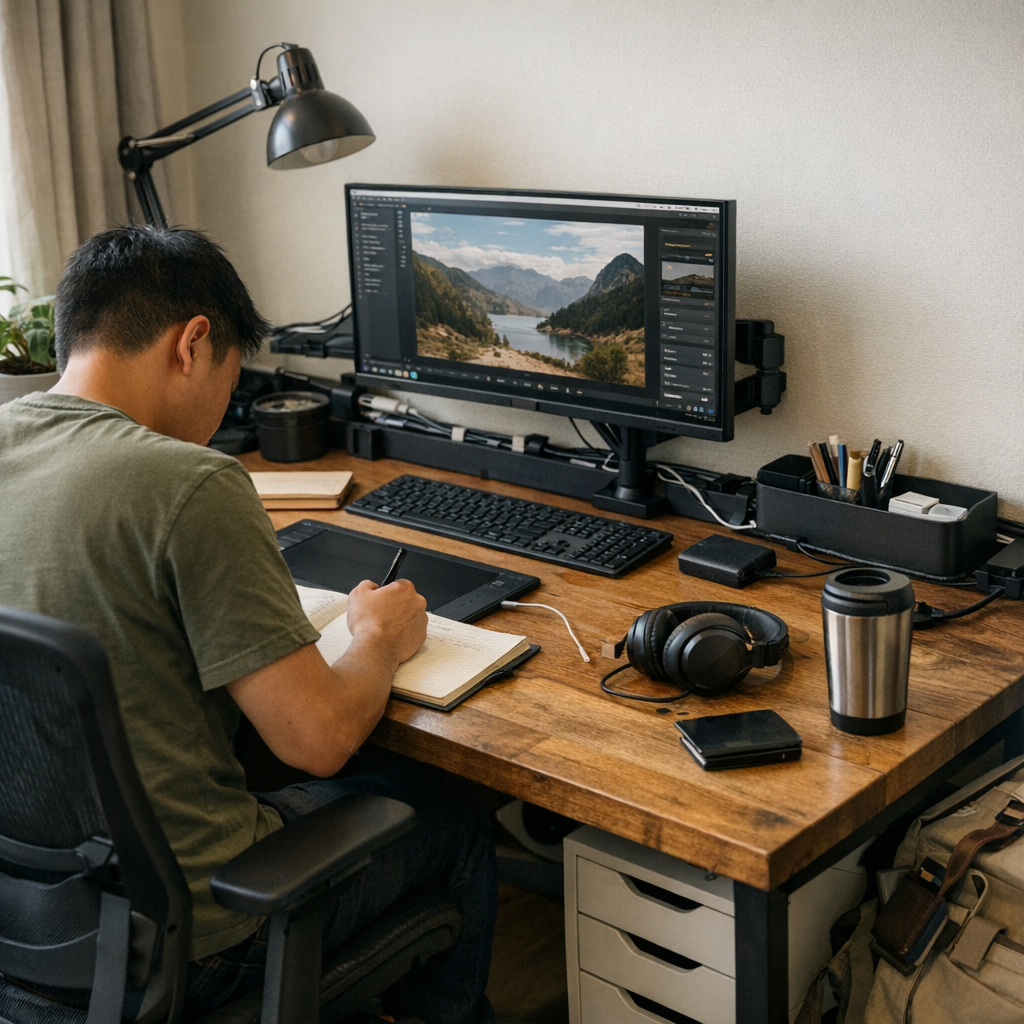
When Organized Spaces Start to Feel Like Obstacles
A storage system's real value shows after repeated use; clear zones and open paths keep routines steady and dependable over time.
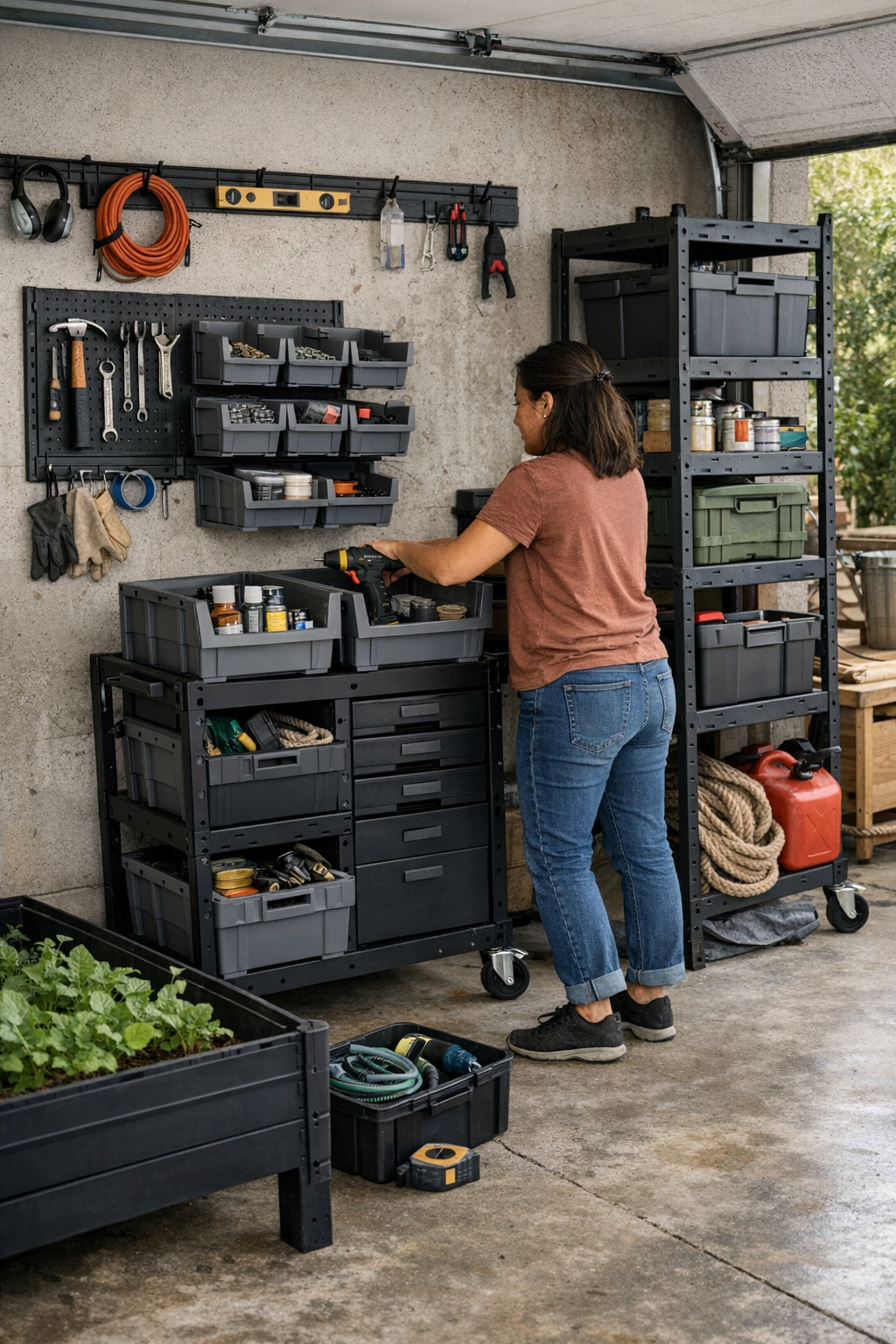
There’s a comforting feeling, a quiet satisfaction, when a once-chaotic garage suddenly looks tidy. After installing wall racks or rolling in a new cart, you stand back to take in the clean lines and open floor—almost like pausing to admire a freshly made bed. The sense of order is vivid in that moment. But the true test of any storage system doesn’t show itself on day one.
You don’t notice friction immediately.
But you feel it eventually, in the small pauses that pile up over time.
We tend to celebrate a well-organized space, especially when clutter finally gives way. Yet what stays with us is not how things look, but how they move during daily use. A smart garage or workshop setup is less about polished appearances and more about whether routines stay easy or quietly slip back into disorder.
The Illusion of a Perfect Setup
There’s a certain freshness right after installing new storage—the bins are stacked, carts tucked neatly, every tool hung with intention. It feels permanent. Yet that initial flush of order can be misleading.
I noticed an odd pattern. After a couple of busy weekends, the rolling cart would migrate toward the doorway, lingering exactly where I needed to walk next. Wall racks designed to free space sometimes created awkward stretches or left the most-used scissors hidden behind a ladder. Even when everything technically had a place, the return trips started to feel annoying.
We often chase surface-level neatness, thinking symmetrical rows of bins mean less hassle. But it’s the next round of use—and the dozens of small movements—that show which system quietly creates friction and which one fades into the background.
Where Hidden Obstacles Gather
Obstacles rarely announce themselves. They just slow down daily tasks.
I began to see patterns—bottlenecks forming at workbench edges, tools left out “just for now,” and small stacks rebuilding by the door. High-traffic paths quietly narrowed as carts and bins crept into areas meant for movement. Sometimes grabbing a single screw meant sliding aside three other boxes or detouring around the same awkward cart, over and over.
It was subtle but unmistakable. The spots where routines snagged weren’t about messy appearance but those moments where a “quick grab” turned into an unintended reshuffle.
One simple fix brought surprising calm: removing a bulky stack of bins from the end of the bench. Suddenly, I wasn’t thinking about storage at all. The path cleared, and everything felt lighter—almost as if the garage regained a quiet presence of its own.
Making Space for Habit
Storage isn’t just about stowing things away. It’s about how easily you can return to your work—and to yourself—without interruption. The best solution is nearly invisible and doesn’t push you into subtle workarounds.
I let go of dense stacking, placed rolling carts just outside natural footpaths, and kept high-use items in honest reach—not behind or beneath anything else. Walking from the workbench to the wall rack became its own small refresh. Three fewer steps, no detours—the difference felt almost medicinal.
It isn’t about perfection or relentless order. It’s about creating a space that quietly waits for you, letting your routines settle in and repeat each day with less effort.
Sometimes, the smallest changes make all the difference—but you only notice when the friction finally disappears.
These reflections took shape while rearranging my own workshop, and you can see how small edits invite lighter routines on Shopify’s storage guide.