When Organized Spaces Start to Feel Like Work
The best workshop setup prioritizes smooth movement and easy return flow over perfect looks, ensuring maintenance and clutter-free use.
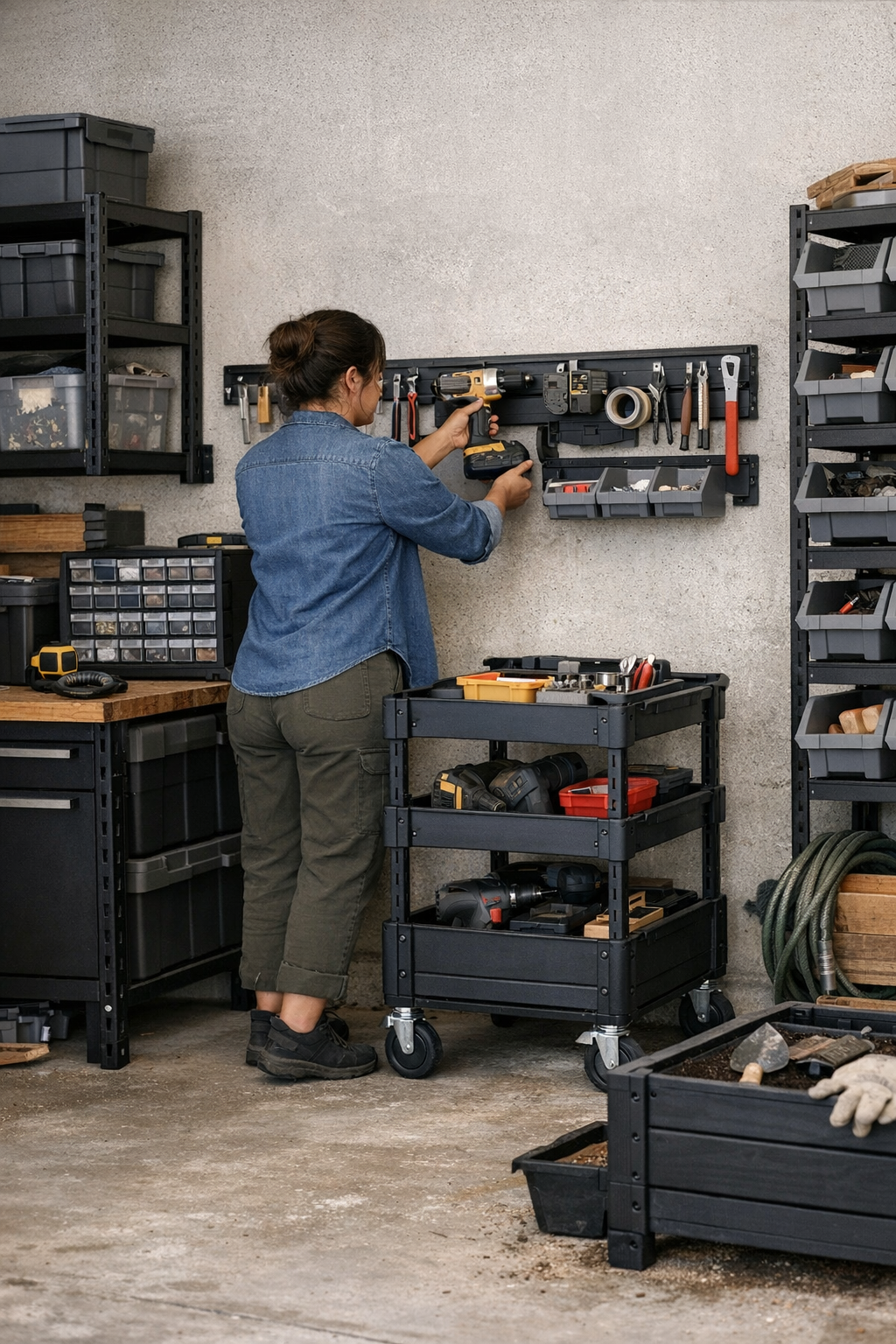
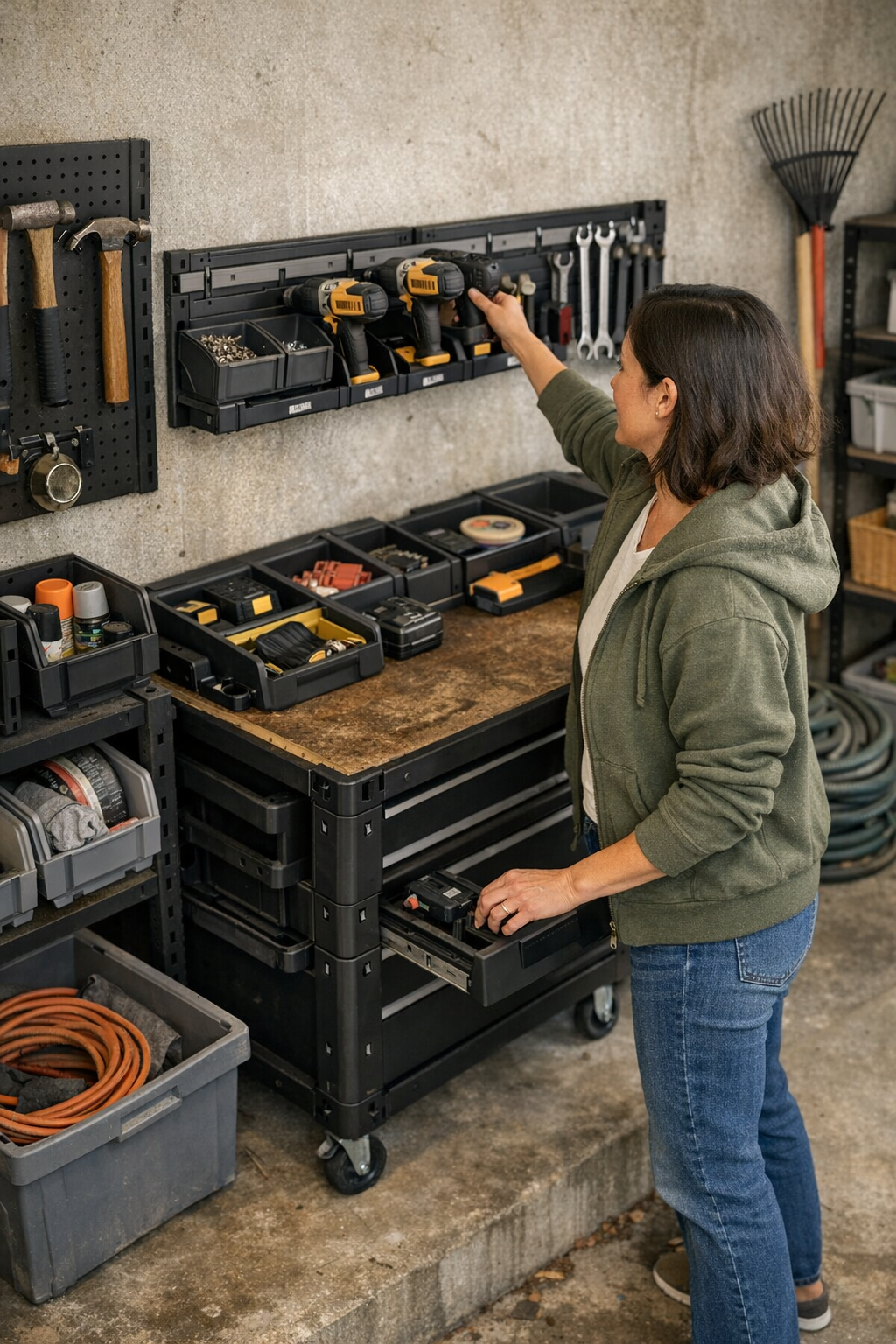
There’s a quiet satisfaction in a freshly organized workspace—a feeling almost too subtle to notice. Rows of modular bins, a clean mobile cart, wall-mounted storage that promises pure efficiency. On day one, a StackNest setup feels hopeful, as if it will stay that way.
But it doesn’t take long for the cracks to show.
You might not notice it immediately. But you feel it.
The Trouble with Good-Looking Order
Most of us judge our workshops by how tidy they look at first. There’s reassurance in symmetrical shelves and neatly nested tools. For a moment, it almost feels like the puzzle of daily maintenance is solved.
Then real usage returns. A rolling cart starts drifting off-path, a floor-based shelf catches overflow, and that outer rail on the wall you use most starts to feel a little too far away. Small interruptions arrive—blocked routes, awkward angles, that familiar shuffle as you hunt for a clamp.
Before long, the space you admired begins to press against you instead.
Friction Finds Its Way In
It happens slowly. Returning tools shifts from smooth motion to a cautious squeeze. The cart that rolled so easily now jams near the workbench. Even simple actions—like placing a clamp back—pause you for a moment, as if the system itself resists movement.
There’s a pattern: the more perfect the arrangement looks, the easier it is for it to trap flow. Over weeks, what felt finished on day one becomes a source of minor stress, sometimes even mild avoidance.
Repeated use exposes these pinch points clearly. If you share the space, small jams multiply. Two people navigating a tight corner is a signpost: it’s not about messiness, but about design that doesn’t adapt with shifting needs.
When Resetting Becomes Easy
Sometimes, a small change reveals what was missing. Setting a mobile cart parallel to the workbench opened a walking path. Moving a shelf closer made reaching effortless. Blocked flow disappeared, and hands no longer knocked crowded edges. Cleanup felt easy and almost automatic.
It can be hard to admit when a setup needs tweaking, especially after time spent making it “just right.” But when a layout adapts—when daily resets become smoother—it brings quiet relief. Spaces stay clear naturally, and underlying friction melts away.
I keep returning to this: it’s usually not about perfect lines or total coverage. It’s about leaving space to move, and letting the setup change when everyday use shows what’s missing.
These thoughts took shape while reworking a cluttered corner in my own StackNest workshop setup.