When Outdoor Gear Finds Its Place at Home’s Edge
Outdoor gear drifts as storage fails; wall systems shape habits and contain clutter better than floor bins, especially in busy areas.
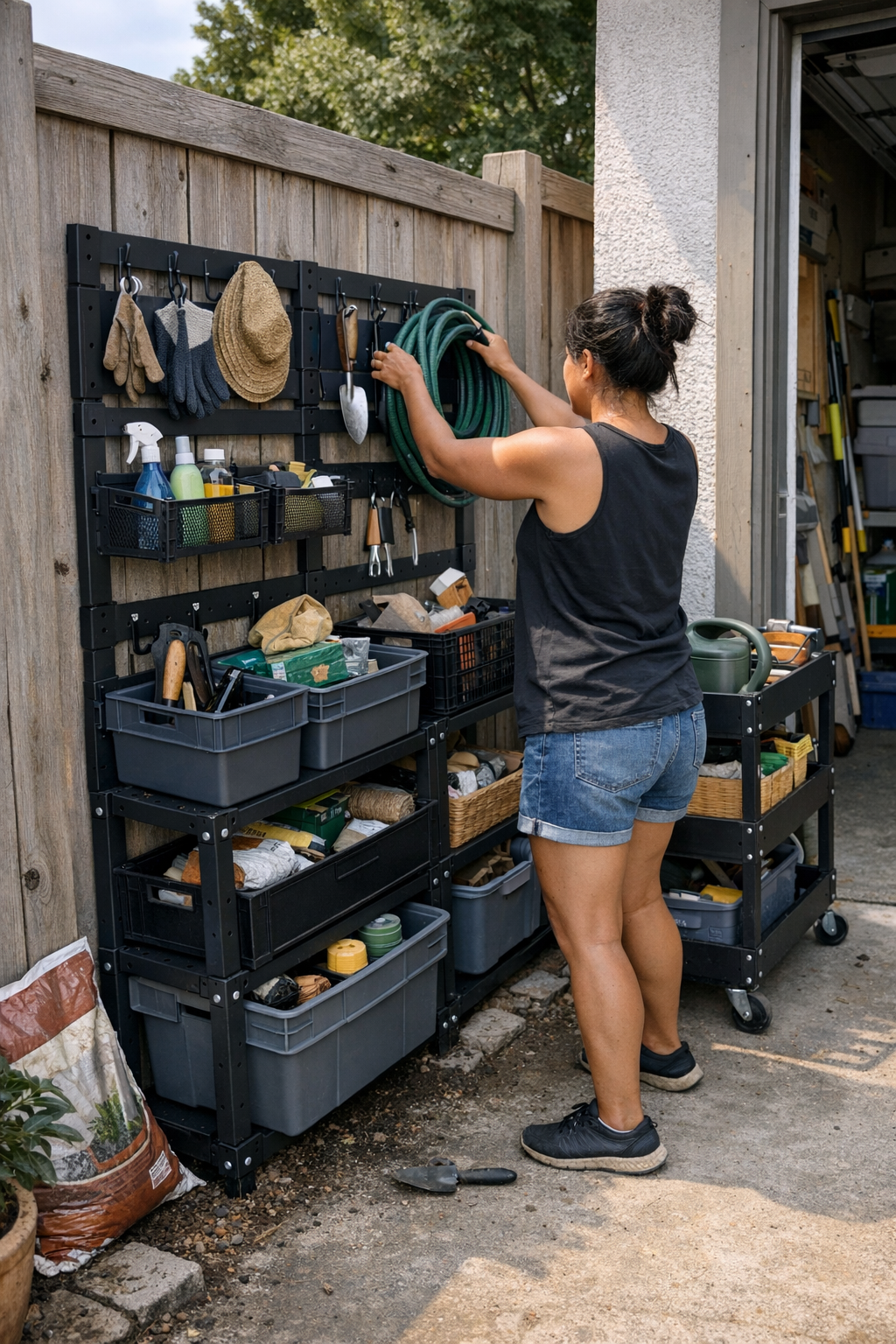
There’s a quiet moment on the threshold—the edge where the outdoors meets the home—when a pair of boots or a stray glove drifts from the entryway and settles into the margins. At first, it seems harmless. But soon, what started as a simple drop zone becomes a slow, spreading current of clutter.
I’ve seen this pattern more times than I’d like to admit. The promise of organization looks straightforward: a bin near the door, maybe a small rack—something to keep everything within reach. But as the routine of everyday life—school drop-offs, weekend adventures, last-minute runs for the mail—repeats, those tidy setups begin to lose their grip. Mess doesn’t erupt suddenly; it creeps.
You might not notice it right away, but you feel it.
The Difference Between Floor and Wall
On lazy days, the easiest move is dropping gear wherever your hands are free. Bins fill quickly, but they also become catchalls—random clutter blending together without a clear order.
It was only after I installed a wall-mounted rack that the difference became clear. Boots stopped piling in corners, and the walkway felt less like an obstacle course. Wall systems give each item a dedicated place to return to, and in narrow or busy spaces, those vertical moments of order help calm the whole area.
Small benefits begin to stand out: wet jackets drip dry without soaking the floor, and even after a burst of outdoor activity, the entryway keeps its shape. There’s a real relief in having one less thing to step over.
Living With Repeat Motion
These setups get tested constantly on busy days. After a family outing or muddy adventure, things tend to pool wherever momentum fades. I used to accept the pile by the side gate as “just part of life.”
But over time, those piles grow. Bins that once felt useful start overflowing, and every return trip feels a little harder—an extra step, a few seconds spent retracing where things belong. Clutter invades routines I hadn’t expected: trips delayed by missing gloves, doorways crammed with new layers of gear.
Switching to a segmented wall grid shifted that dynamic. Each piece had a clear anchor—less searching, less gathering, and almost no temptation to drop things on the floor. Resetting the space became a background habit, not a chore.
Quiet Shifts in Space
Mobility and flexibility sound ideal—modular carts, rolling bins, setups that adapt as needs change. Sometimes they help. But I found mobility only matters if there’s room to move, and without a clear home for gear, clutter just rolls somewhere new.
The real difference came from the subtle discipline of vertical structure. Raincoats drip dry into the air instead of the floor, and return flows shorten instead of stretch. Most days, the system fades into the background—it just works.
Every so often, I notice what’s missing: clear walkways, fewer lost items, less time spent picking up. The change isn’t about style; it’s the quiet peace of not having to think about it.
The slow, steady progress of this realization is why I keep coming back to these ideas—many of which are part of the collection over at tidyyard.myshopify.com.



