When Outdoor Spaces Blur Work and Play
Separation between work and family items in shared outdoor spaces requires visible boundaries to reduce clutter and keep areas functional daily.
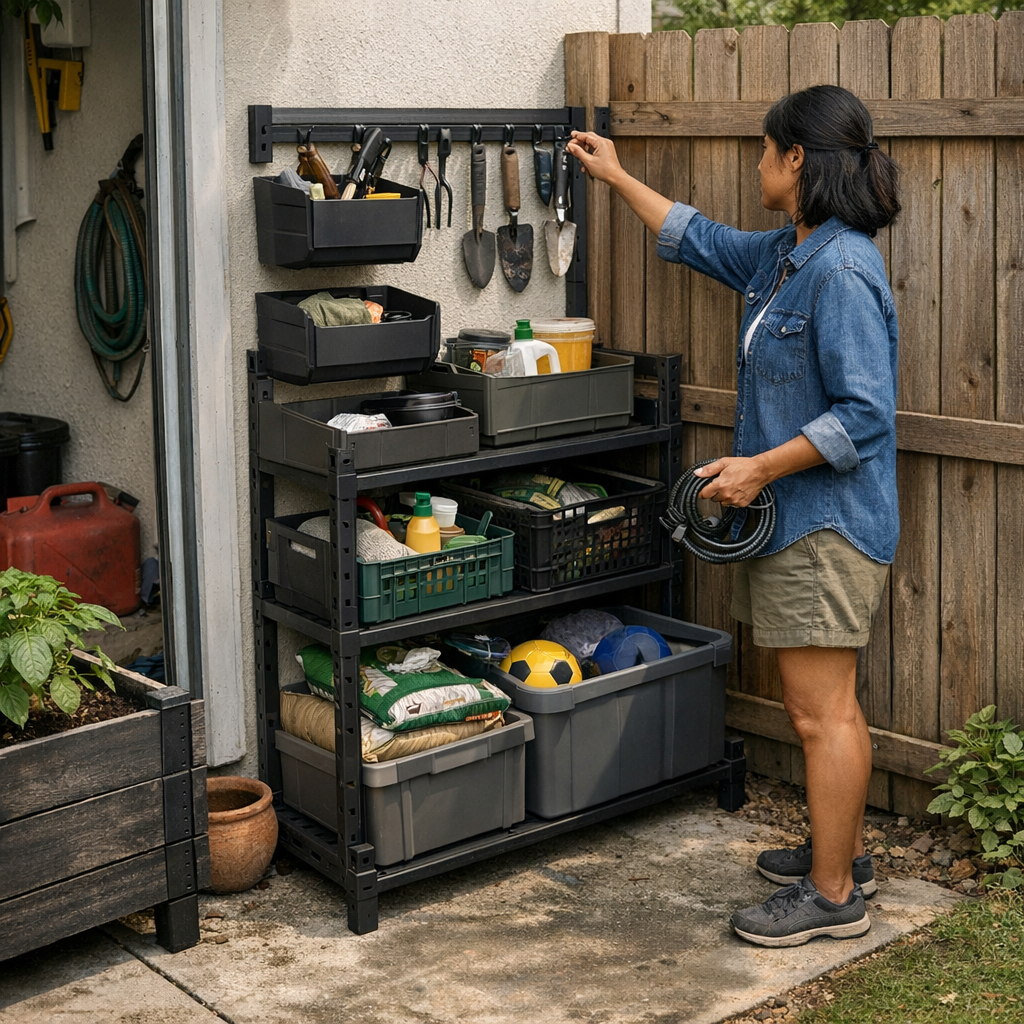
There’s a difference between clutter and chaos—one creeps up quietly, the other sweeps in fast. In shared outdoor spaces where work tools and family gear collide, even the largest storage bins and best intentions couldn’t maintain order for long. Work gloves tossed near soccer balls, garden tools buried beneath rain-soaked toys—at first, it looked manageable. But within a day or two, the sense of order faded. That’s when it hit me: without some visible boundary, everyday routines unravel quickly.
The Illusion of Open Spaces
It’s easy to think one big bin or an open shelf will do the job. Simple, open areas feel inviting at first, like they welcome the day’s activity without fuss. But the overlap creeps in unnoticed—pump and pruners, gloves and game balls—until distinct zones blur. The neatness is mostly an illusion.
I’ve seen the cycle repeat: early signs of mix-up don’t annoy at first, until you find yourself standing in the doorway hunting for something buried beneath the wrong pile. Clutter builds in layers, and each rushed put-away makes untangling it harder.
When Separation Makes Sense
It was during a particularly busy midweek stretch that the need for boundaries became clear. Work gear bumped into play gear at every turn. Searching became routine, and fixing the mess took more time than using the tools. What stuck with me was how constant mixing actually slowed down daily life.
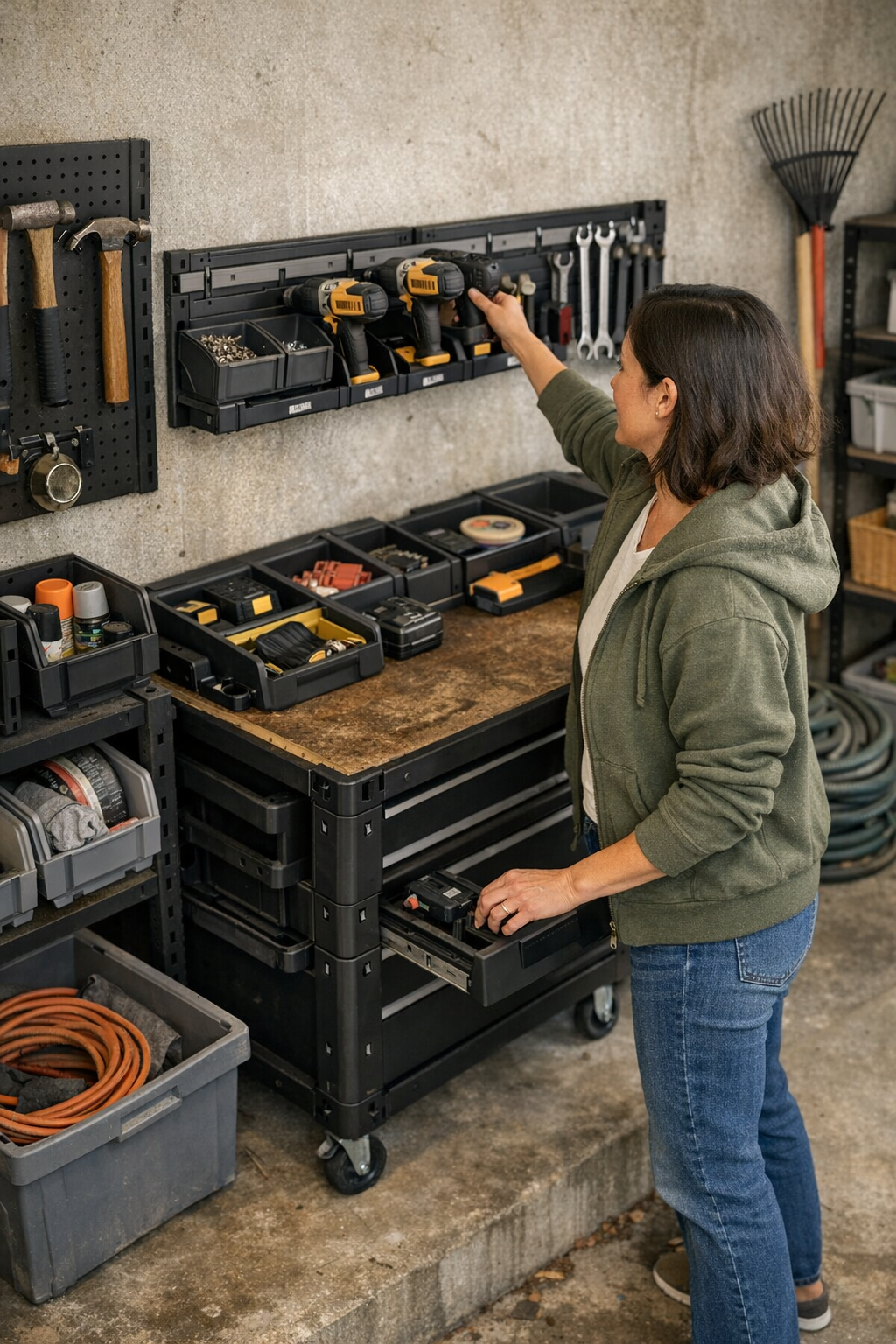
A quiet realization emerged: visible divisions, even small ones, shift the flow. I carved out a short section of wall just for work tools—bins snapped to hooks, all labeled by name or purpose. Family gear got its own spot just beneath. The impact wasn’t instant or dramatic. By the third reset, though, routines had softened into habit. You begin to remember where things belong, and the space gradually guides your return.
The Subtle Power of Structure
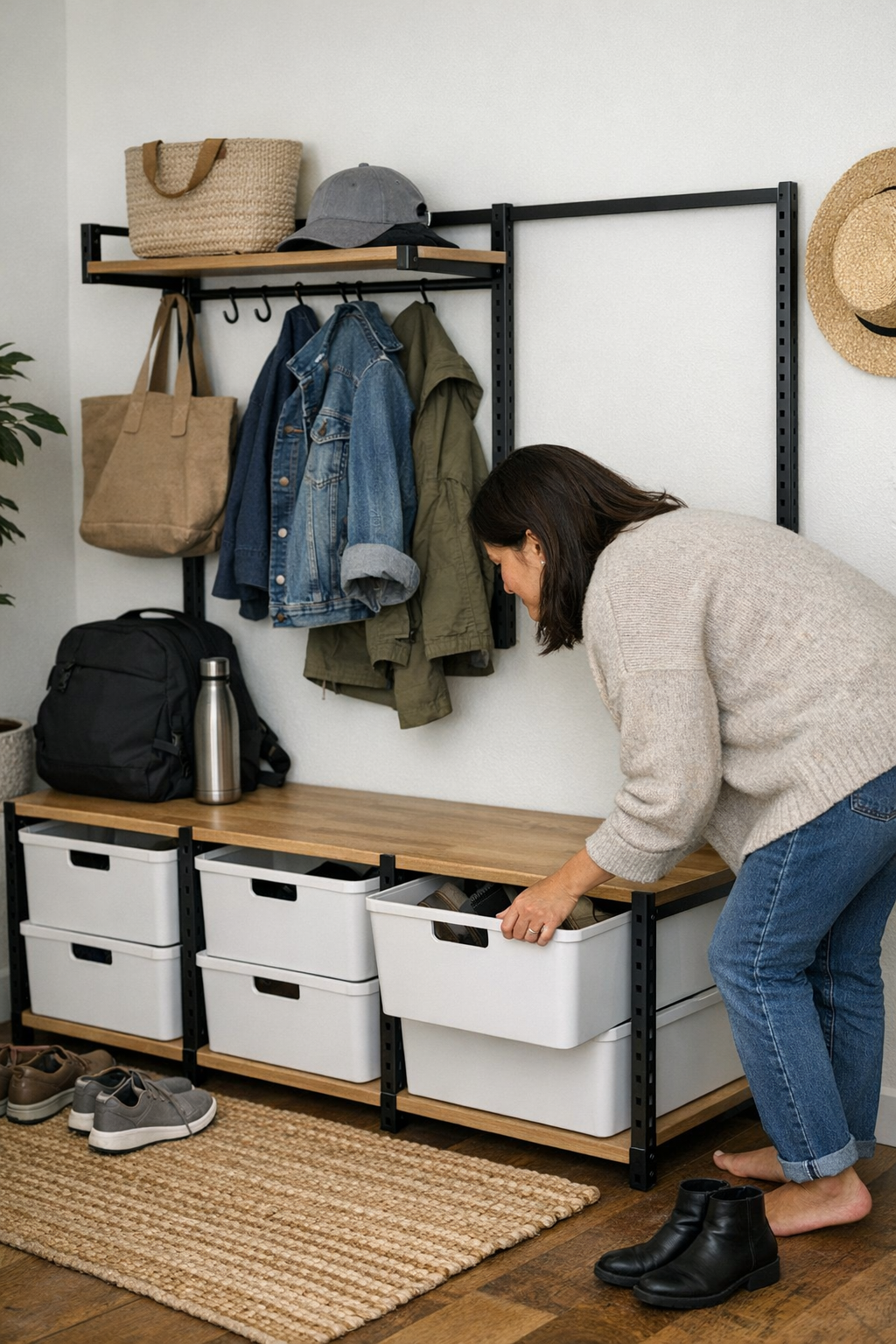
Systems that stick don’t need to take up much room. A slim rail, a divided bench, some labeled wall hooks—anything with a clear boundary slows the spillover between projects and play. It doesn’t have to be perfect or permanent, just obvious enough that everyone understands the divide.
Overflow still happens, especially after a full day outdoors. But the chaos doesn’t spread like it used to. Cleanup shifts from an overwhelming overhaul to a gentle reset. That’s the quiet power of physical structure: less time lost, less energy wasted hunting for what you need.
The boundary does the steady work no single storage bin ever could.
These thoughts came together while tinkering in my own outdoor setup. View the full collection