When Outdoor Storage Becomes a Daily Challenge
Outdoor storage may seem functional at first, but true effectiveness shows after weeks, with zones based on return routines keeping flow steady.
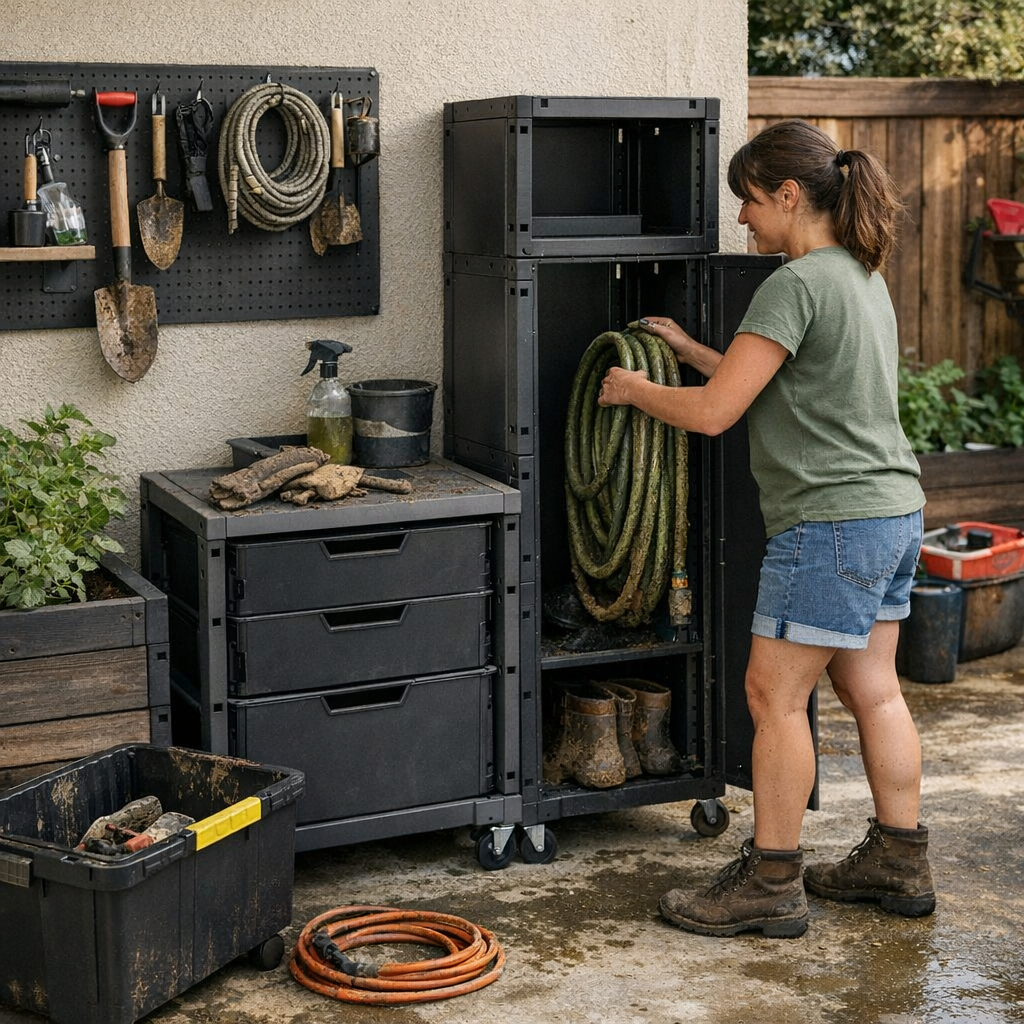
You rarely notice the way you move through a familiar space—until something interrupts it. It might be a shovel leaned at an odd angle or a tangle of hoses, suddenly turning an easy task into a careful balance. Outdoor storage is meant to create calm from clutter, but the reality of using modular storage, wall-mounted racks, or deck boxes reveals a subtler truth than tidy photos suggest.
A well-chosen storage system aims for order. Cabinets, bins, deck boxes—each promises to corral scattered tools and stray garden gear. In the first few days, everything looks composed. But the real test comes later, after muddy shoes and quick cleanup routines expose the gap between thoughtful design and daily use. You don’t notice it immediately, but over time, you feel it.
When Storage Solves One Problem—and Quietly Creates Another
At first, most setups seem similar: wall-mounted chests, modular racks, or bulky deck boxes standing ready to hold what comes their way. It’s satisfying to put everything away after yardwork. Yet time loosens even the best plans.
Maybe the spot chosen on paper feels perfect—until heavy rain turns tools slick and muddy. Shelves that once made sense become crowded, forcing awkward angles just to return a hose. An outdoor space that started efficient gradually fills with the aftereffects of rushed returns—quietly setting the stage for frustration in daily routines.
You see it in corners where clutter gathers or when putting something away suddenly takes longer. It’s rarely dramatic but a subtle erosion: a little more effort, extra steps, energy spent working around the system instead of with it.
The Little Changes That Make All the Difference
When you start to notice these setbacks, patterns emerge. For me, muddy garden tools tended to pile on top of everything else, making each cleanup harder. Deck boxes, at first so promising, turned into deep pits for tangled hoses and half-forgotten hand tools. Cabinets that were too shallow left doors blocking key paths during quick resets.
A simple shift saved a lot of effort. I moved a single cabinet closer to where messes began—a spigot where wet gear was brought in. I removed a shelf, creating vertical space for quick stashing. This adjustment kept muddy tools separate from cleaner ones and made returning items almost automatic. Less bending, fewer blocked paths, and over time, much less daily clutter.
Small as it sounds, this was a refresh—recognizing that routine movement matters more than perfect grouping or matching bins. Over weeks, these quiet improvements made the space feel lighter, more accommodating, and less likely to cause small daily trips or delays.
Why We Mistake Surface Order for Real Organization
It’s easy to group items by category and call it organized. “Garden tools here, outdoor toys there.” But order arranged solely by type rarely holds up to the flow of real use. You notice it most in repeat moments—when putting something away takes extra steps or when messes quietly overflow until they become unavoidable.
What works almost invisibly is a setup that follows the natural return flow, not just how objects should be grouped. Grouping by routine, not just by object type. It’s less about finding a perfect box or rack and more about making space for how life actually moves through your backyard or garage workspace.
When clutter returns or simple tasks feel like puzzles, it’s often a sign the storage system resists use—asking too much in subtle ways. Sometimes what’s needed isn’t a new cabinet or deck box but a softer look at how things are put back—how the setup can better serve small, repeated rituals all season long.
Most changes that matter are those you hardly notice. They just leave behind a sense of ease—as if finally, the space is working with you, not against you.
These reflections surfaced while reworking an outdoor corner—mostly spent observing routine and movement through modular storage, wall-mounted and floor-based systems. Understanding those rhythms made the difference between a setup that looks good and one that truly supports everyday use.



