When Outdoor Storage Shapes Everyday Yard Life
Poor storage setup causes clutter and tight paths; wall systems keep floors clear, while units hold gear but risk spillover if misused.
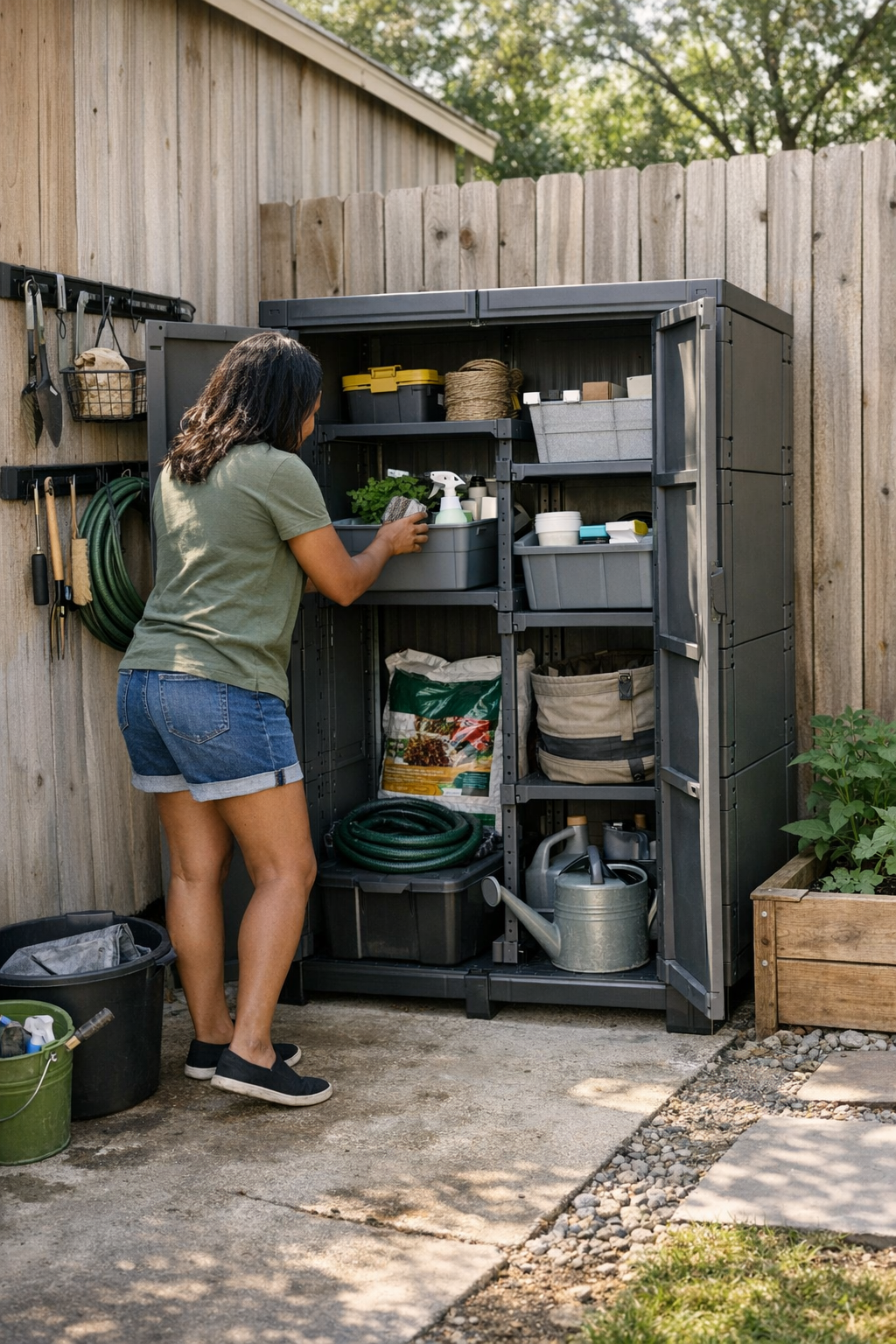
It happens slowly, almost invisibly at first. The backyard feels sorted—tools in their places, bikes tucked neatly away—the kind of order that brings a little satisfaction. But as the weeks pass, small inconveniences start to cluster: a rake left blocking the door, stray soccer balls edging into footpaths, that one box no one wants to move. The lines blur between “put away” and “still in use.” Lately, I notice the pull behind these patterns has less to do with the storage system itself, and more with how we move and return, again and again, through the space.
Where Clutter Begins
You don’t notice it immediately. Maybe the shed was just installed, or a sleek new wall rack put up last month.
For a while, things slot easily into place. Then the rhythm shifts: someone needs the garden clippers in a hurry, another grabs the basketball at dusk, and gradually, the traffic paths begin to gather friction. In tight corners or narrow yard edges, every choice—freestanding box or wall rack—has subtle consequences.
It’s not about having more or less space. It’s about unused corners turning into spill zones, and how hard it becomes to undo small avalanches of stuff. That was the part I kept coming back to.
What Stays Fluid, What Becomes Stuck
There’s something revealing about watching how family or neighbors engage with storage over a season. The wall system works well on a clear, dry morning: tools hang within reach, bicycles hover above puddles, and the ground stays open for quick sprints through. Until winter arrives, and the hooks that held everything neatly start to sag under bulkier gear, or the patio fills up with tarps and oversized bins.
The freestanding unit offers comfort on stormy days, easily swallowing chairs and out-of-season toys. But its footprint is fixed, sometimes nudging a walkway closer than you’d like, or turning a tidy path into a gathering spot for “just for now” things that have nowhere else to go.
But you feel it. The slow buildup of things that don’t return, or spaces that quietly resist being reset.
Matching How You Move
I started paying closer attention, not to how much storage we had, but to the ease of return—the simple motion of placing something back without a second thought. When a system supports that kind of automatic re-entry, habits stay cleaner and resets become almost invisible, rather than long, reluctant chores.
A wall rack handles the quick turnover of summer afternoons. The weatherproof shed swallows bulky tarps without drama. Neither works perfectly everywhere, but the best fit always seems to understand how outdoor life shifts day to day. It eases return, reduces friction, and lets the rest of life flow around it.
These quiet thoughts found shape after one too many afternoons spent rearranging our own patch of yard: http://www.tidyyard.myshopify.com



