When Outdoor Storage Shapes How We Move and Live
The right outdoor storage fits your space and use patterns; the wrong choice causes clutter, blocked paths, and harder upkeep over time.
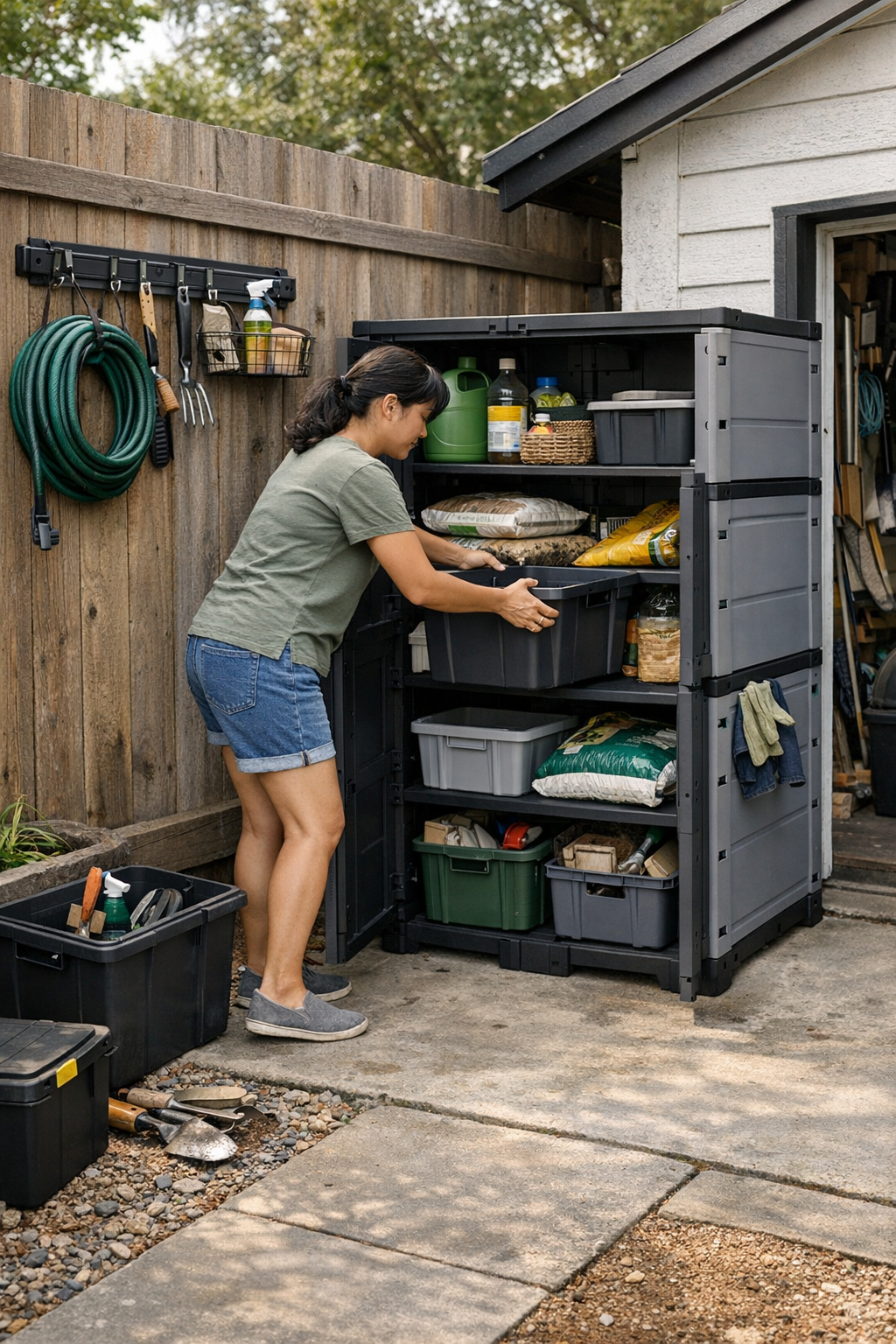
There’s a point when a yard changes. It’s no longer just a shape behind the house; it becomes lived-in, marked by where we drop things on busy afternoons or scatter gear after a rush of gardening or weekend play. I used to think outdoor storage was a solved problem: just buy the unit that fits beside the deck, or hang a few sturdy hooks. But the longer I lived with these choices, the more each one shaped the feel and flow of the space itself.
You don’t notice it immediately. But you feel it.
A container isn’t just a box or a cabinet out there in the weather. Its real effect shows up in your routines. Sometimes that means having to move a bike for the third time in a week, or realizing you’re dodging sports gear just to take out the trash. That was the part I kept coming back to—how storage doesn’t just hold our things but quietly rearranges our movements and moods.
The Patterns We Return To
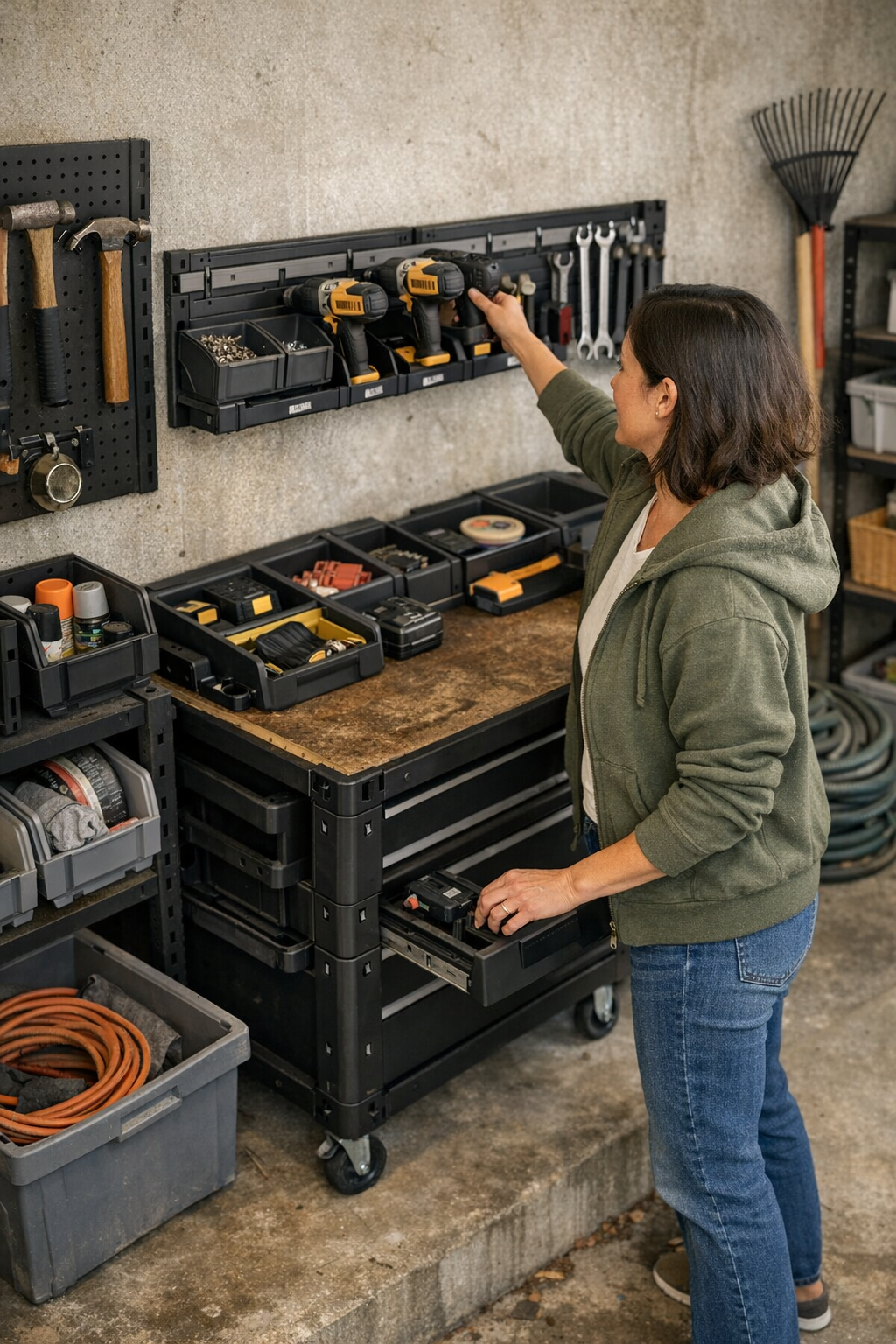
There’s almost always a rhythm to how outdoor spaces fill up. Wall racks, deck boxes, rolling bins—they each invite a kind of order but reveal their quirks over time. I’ve seen my own slim wall system keep the path clear most days, right up to the moment when two people reach for tools at once, or when the “easy spot” for gloves turns into a catch-all by summer’s end.
The pressure builds subtly. One misplaced rake leans against another. The floor grows cluttered, but there’s no single tipping point—just a slow shift, week by week.
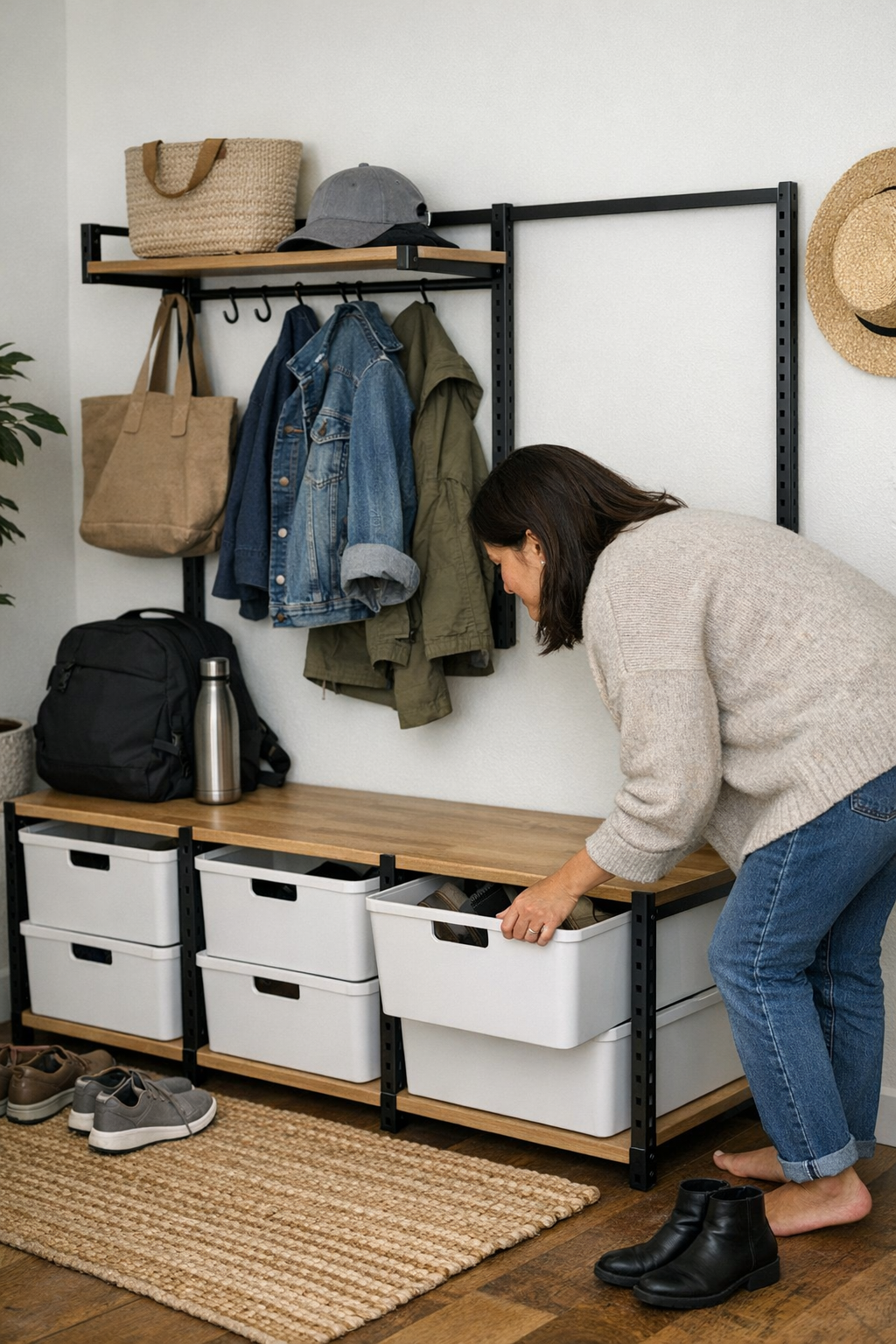
And when the system fits poorly, you feel it in the workarounds—the half-closed lids, bins drifting across the patio, that pile nearest the exit. It becomes the background hum of every weekend out back, an ongoing reset burden.
Space Has Its Own Memory
What’s true of indoor storerooms is just as true outdoors: the best system is the one you stop thinking about. When storage demands too much effort—hooks too high, bins blocking a door—it doesn’t take long before you start letting things pile up instead. I once watched a tidy shed become a series of “front rows,” with only the newest items within reach and the rest gathering dust deeper inside.
There’s a kind of amnesia here. You forget how open the yard felt at first, or how quick resets used to be. I’ve found that repositioning a box or choosing a movable rack with a clear, dedicated home can quietly restore that ease.
Sometimes, just defining a modest boundary—“these bins go here, not everywhere”—can prevent slow sprawl that makes a yard feel smaller than it really is. That small limitation helps maintain access flow and keeps mixed-use friction low.
Living Spaces Aren’t Static
No yard stays the same for long. The dog grows older and needs a clear path; the kids outgrow the sandbox; patio dinners replace weekend garden work. It’s tempting to pick storage based only on current needs, but less wise for how those needs quietly shift with seasons and changing routines.
Every return is a small negotiation: is it easy to put this away? Or do you have to move three things just to grab the folding chairs? The best setups smooth those repeated returns so they feel almost automatic.
What I’ve realized is that storage isn’t a one-time fix. It’s a gentle choreography between how things fit and how you live. Watching that small dance—and tuning your setup for it, rather than just the specs—is sometimes the most practical choice.
These realizations settled in over months spent tending my own backyard, and grew clearer as I browsed quiet inspirations at TidyYard.