When Outdoor Storage Shapes How We Use Our Yards
Choosing the wrong outdoor storage causes clutter, blocked paths, and harder resets; matching type to yard use eases daily upkeep.
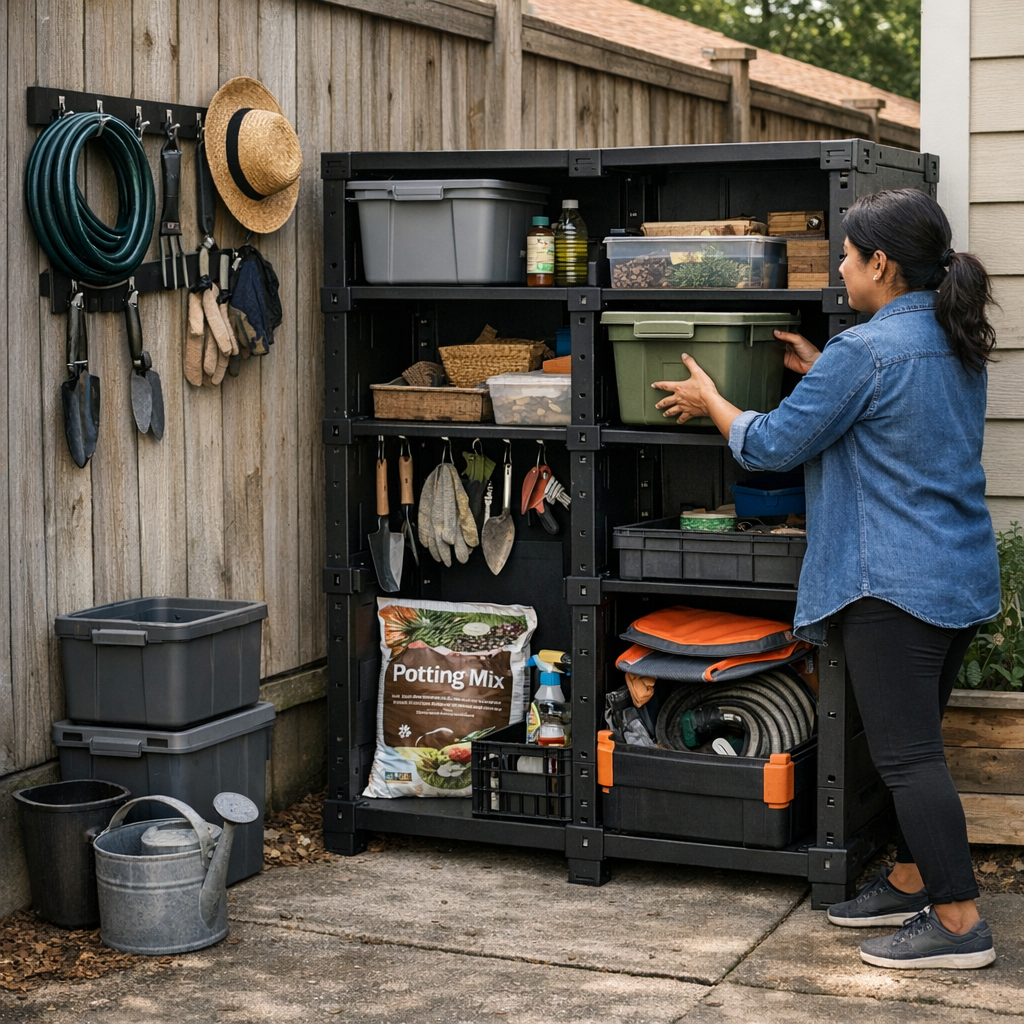
There’s a way mess gathers outside that feels different from the inside. It arrives slowly: a forgotten shovel by the fence, a bike nudged just off the path, boots drying in the wrong spot for days. At first, you don’t notice it, but over time it shapes how your outdoor storage works—or doesn’t.
The choices you make about outdoor storage quietly influence whether your yard stays open and accessible or turns into a friction point that seeps into everyday life. The difference between a smooth, effortless “putting things away” and the subtle buildup of clutter often comes down to how well your system handles repeated use in a real outdoor setting.
When the Walls Hold More Than Tools
I’ve installed wall storage systems in tight spots barely wide enough to walk through. The benefit is clear: everything hangs visible and off the ground, easy to scan at a glance. This works fine when only one person uses the space.
But real life complicates things. Hooks fill faster than expected. Bins overflow because no one wants to dig through layers to find what’s lost at the bottom. When multiple people add or remove gear, the system starts to break down—a stray trowel or an extra hose left out, a backpack that doesn’t get rehung. Before long, the clear floor you fought for ends up pushed tight against the wall, blurring the line between organized and cluttered.
This is the part I kept coming back to—the way small breakdowns rarely stay small. Once a system slightly fractures, it places growing pressure on the limited floor space and the ease of returning tools to their place.
Storage That Hides, And What Gets Hidden
Freestanding sheds and cabinets appeal because they swallow bulky items and keep surfaces clear. In my experience, they work best for things used infrequently—holiday lights, bagged potting soil, or spare cushions.
But daily use resists neat containment. The more you open these units, the more spillover clumps around their bases. Flat tops attract stray basketballs. Shelves fill in the wrong order; the first thing you actually need gets buried. I’ve caught myself leaning a rake against the shed wall “just for a moment” rather than unstacking contents for a quick task.
Access tightens. Pathways narrow. The physical and mental effort to “reset” the area—putting everything truly away after use—grows heavier with each round.
This kind of quiet friction builds up unnoticed, until you stop using the space the way you meant to.
Adaptable Storage and the Subtle Drift
Modular storage promises flexible solutions: panels, bins, and lightweight racks shift to fit changing needs. It matches the real-life flow of a yard that sometimes serves as a workspace and other times as an area for friends.
Yet over time, boundaries erode. A box meant for garden gloves turns into a drop zone for anything lacking a home. Movable pieces migrate—from table edges to under bushes, to the deck beyond. This flexibility is valuable—until you realize you move things more than you use them.
I’ve learned adaptive storage only stays useful with regular attention—periodically redrawing boundaries and quietly asking, “Is this still working as I wanted?” Without this check, sliding bins and racks just become part of the clutter puzzle.
There’s a strange peace in accepting no system fully solves outdoor clutter. The best setups make returning items easier than abandoning them—because repeated use demands it.
These reflections took shape during early evenings rearranging my own yard, with more thoughts waiting to settle at this spot. View the full collection



