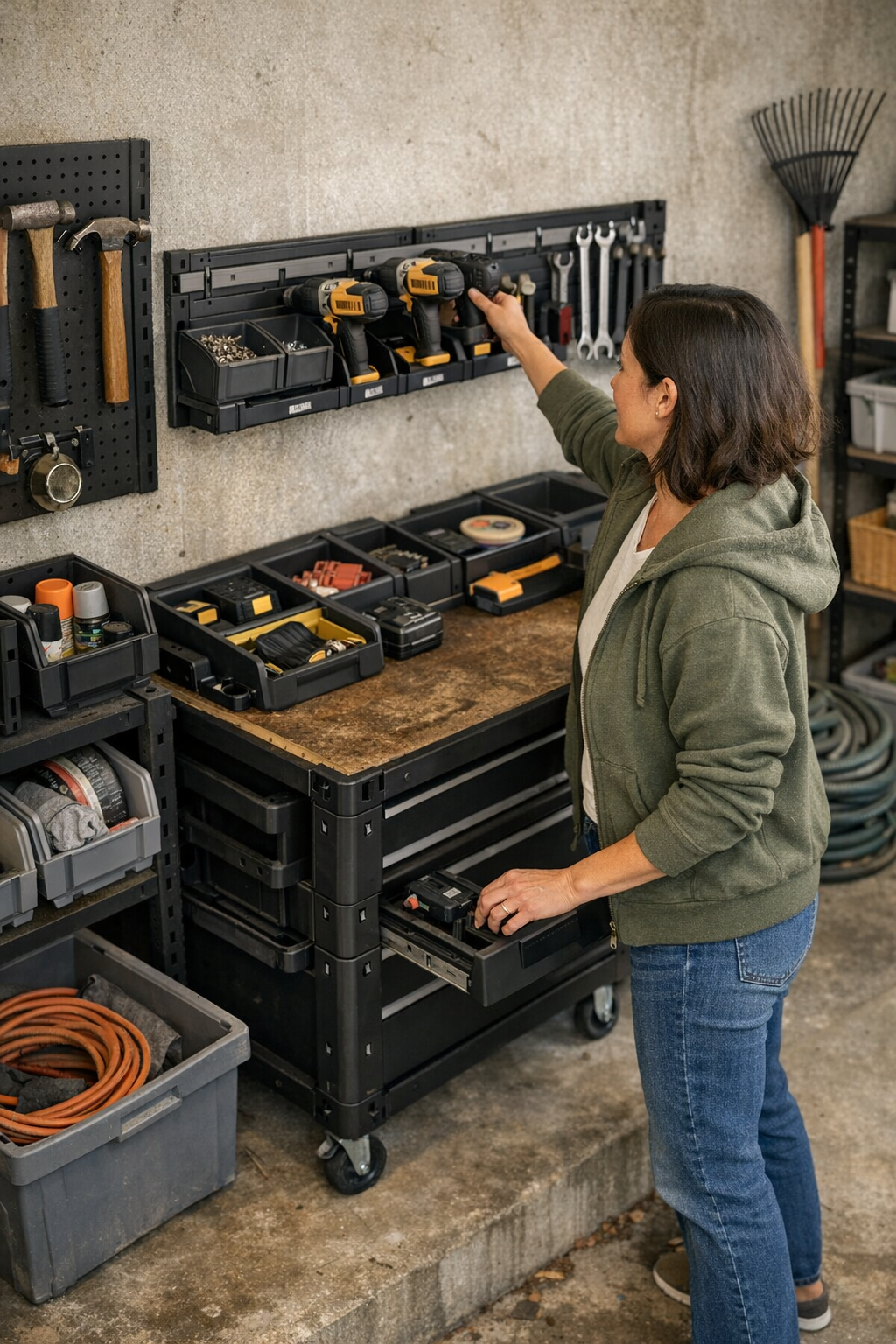
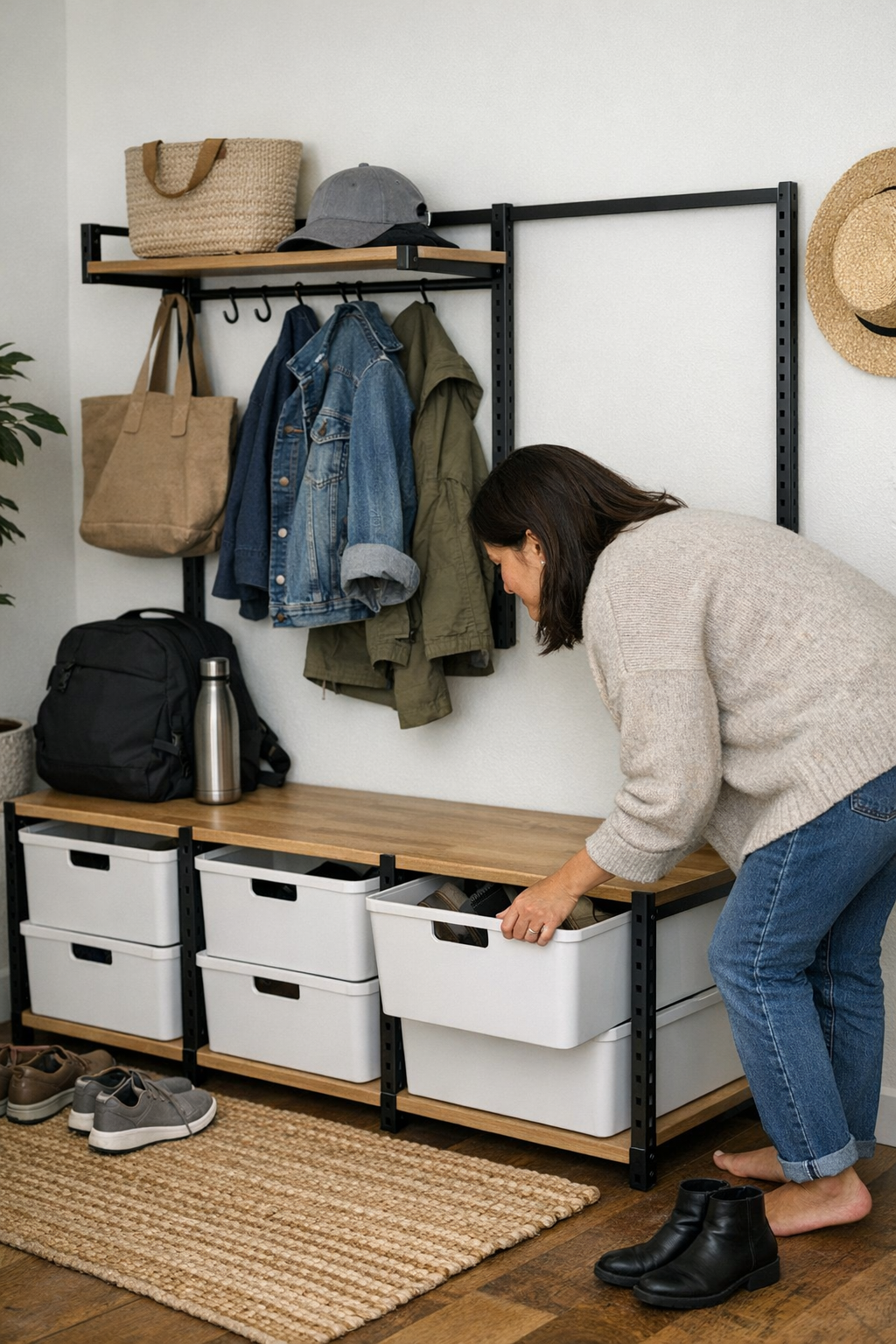
When Outdoor Storage Starts to Feel Like a Chore
This article compares outdoor storage types, showing common issues like blocked movement and spillover when storage doesn't fit real use.
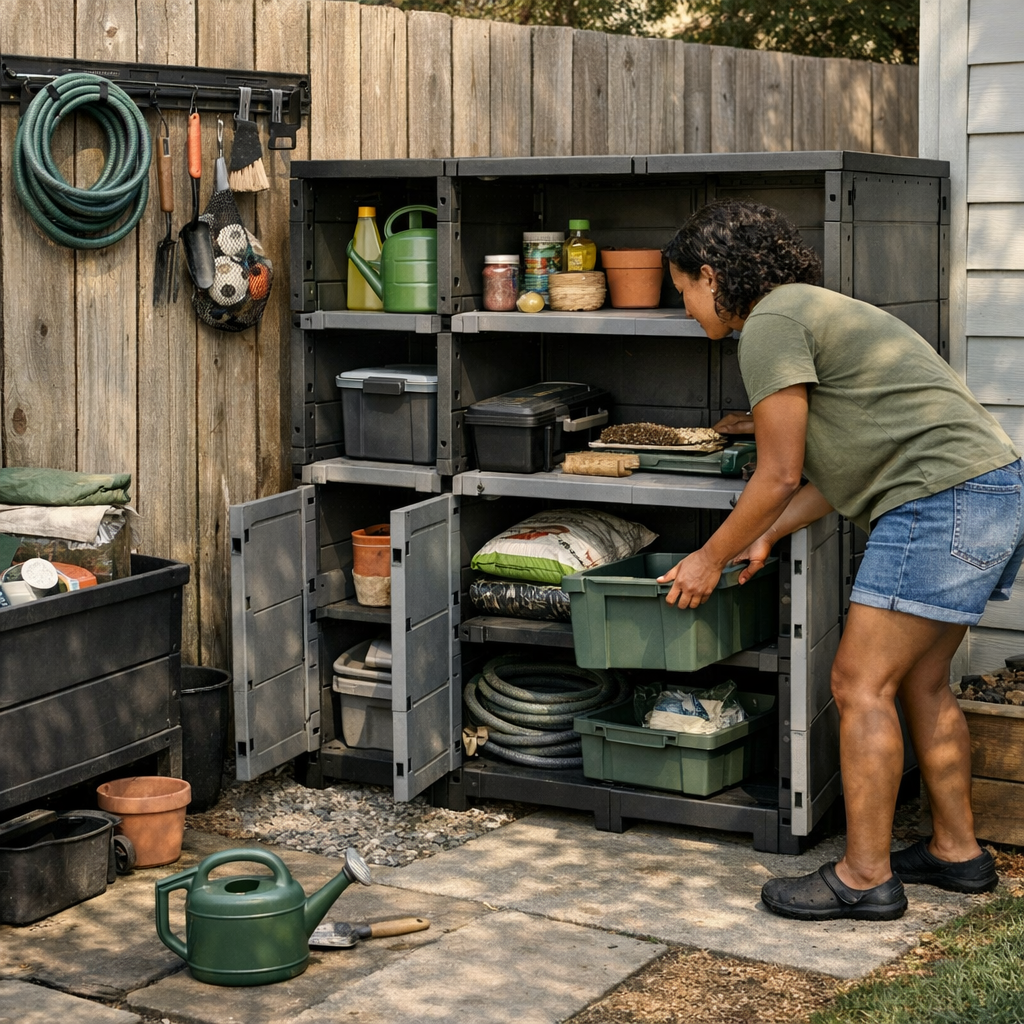
There’s a quiet moment, often overlooked, when an item is returned to its place—not tossed aside, not left out of habit—but smoothly put back. I hadn’t thought much about outdoor storage until I found myself repeatedly sidestepping clutter by the back door, navigating a shifting pile of toys and tools no matter how many times I tidied. The chaos didn’t appear overnight; it sneaked in, reshuffling itself after weekends or small gatherings, always pausing just beyond the intended storage zone. Organizing the outdoors isn’t really about square footage or clever shelves—it’s about how a space asks to be used, and whether it answers honestly when you come and go.
Where the Edges Start to Fray
At first, every storage solution looked promising—walls lined with hooks, a new cabinet, even a set of modular cubes pressed optimistically against the fence. For a day or two after reorganizing, everything sat in its rightful slot. But as daily rhythms picked up, things quietly slipped out of alignment.
You don’t notice it immediately.
Maybe it’s a rake balanced awkwardly beside the bin because the lid caught on a nearby chair, or a tangled hose just out of reach of its reel. The front row fills with fast-use stuff; the back row gets forgotten. Each system reveals its limits—doors pinched open, wheels jammed, modules drifting slightly askew from last week’s effort. I kept realizing the actual use was never quite what the plan imagined.
The Weight of Return
The real trouble begins—not with mess, but with resistance. There’s a subtle heaviness when it feels like more work to tuck something away than to set it just outside the system. High hooks lose their appeal quickly. Hinged doors that once felt sturdy become obstacles once furniture shifts or projects overlap. Even the neatest modular pieces start to collect leftovers on top.
That was the part I kept coming back to.
If anything made “tidy” difficult, it was always this quiet friction—the small moments when the system felt out of sync with the routine. A storage setup only works as long as it makes the return easy after a busy stretch. When things pile up at the edge, it’s usually because returning them feels awkward, not just lazy.
Adapting to Change Without Losing Flow
Outdoor spaces shape-shift: play, work, rest, repeat. The best storage solutions don’t just look neat on day one—they bend with the ebb and flow. The setups that held up best were the ones keeping the most-used paths clear, regardless of how many new projects or spontaneous gatherings took place.
It’s a small practical shift, but it mattered—choosing (or reworking) storage so access stayed clear even after the busiest weekends. The real test wasn’t first-day neatness, but whether I could put things back without thinking too hard or rearranging too much. Spaces that flexed a little, that didn’t punish change, stayed easier and lighter.
Sometimes it takes a few missteps to realize which stored edges quietly take up more than their share of space. Most days, the sign is simply how easy it feels to walk through, reset, and begin again.
These thoughts came to me after a string of small changes, documented quietly over at http://www.tidyyard.myshopify.com.