When Outdoor Storage Starts to Show Its True Colors
Wall-mounted storage suits light, infrequent items; floor-based units handle heavy, mixed-use gear better, minimizing clutter and easing resets over time.
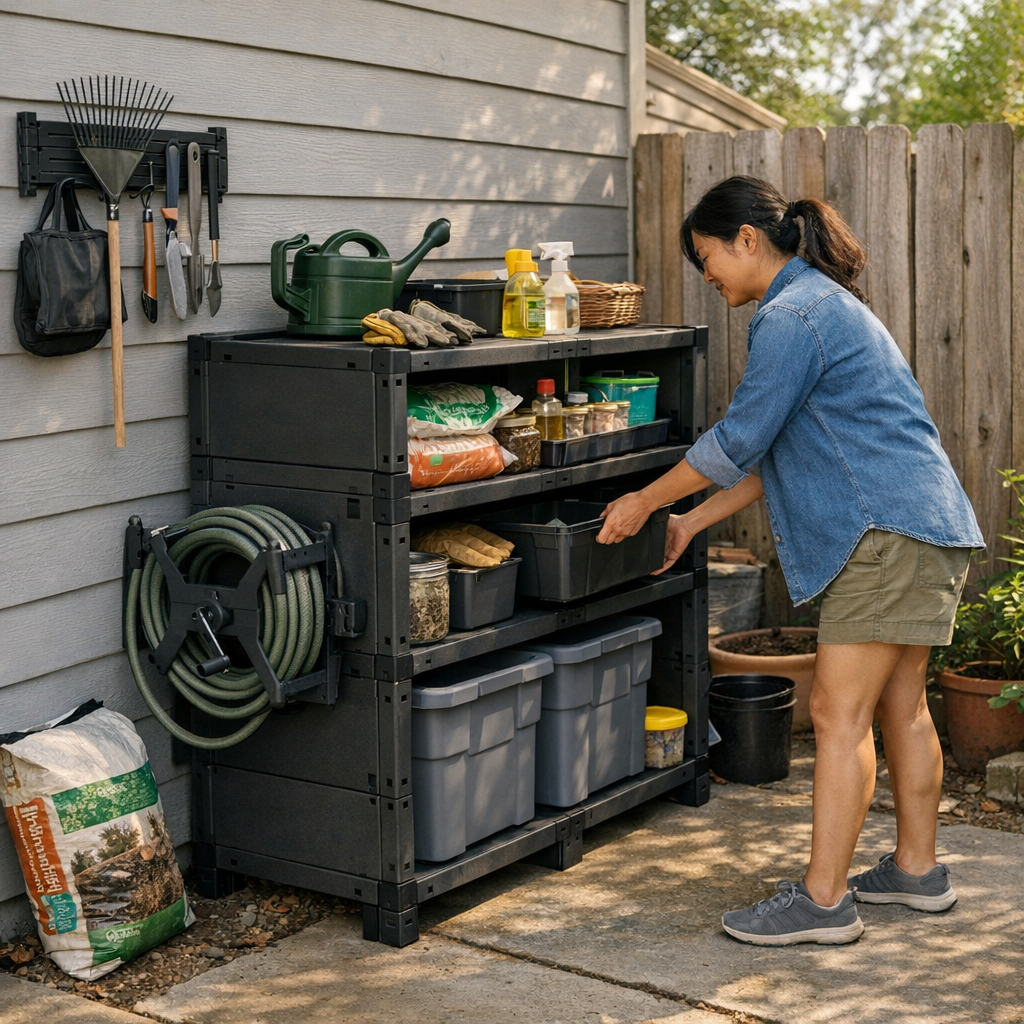
It’s funny how storage—something designed to bring order—can quietly turn into just another moving part in the slow creep of outdoor mess over time. Many start with a tidy wall of hooks and shelves, maybe a bin in the corner. There’s optimism in labeling every spot and making sure the rakes, spades, and folding chairs all have a designated place, especially in a small yard setup.
Then the weeks pass. Something shifts.
You don’t notice it immediately.
But you feel it, in the awkward hesitation before putting something away.
The Invisible Weight of “Reset”
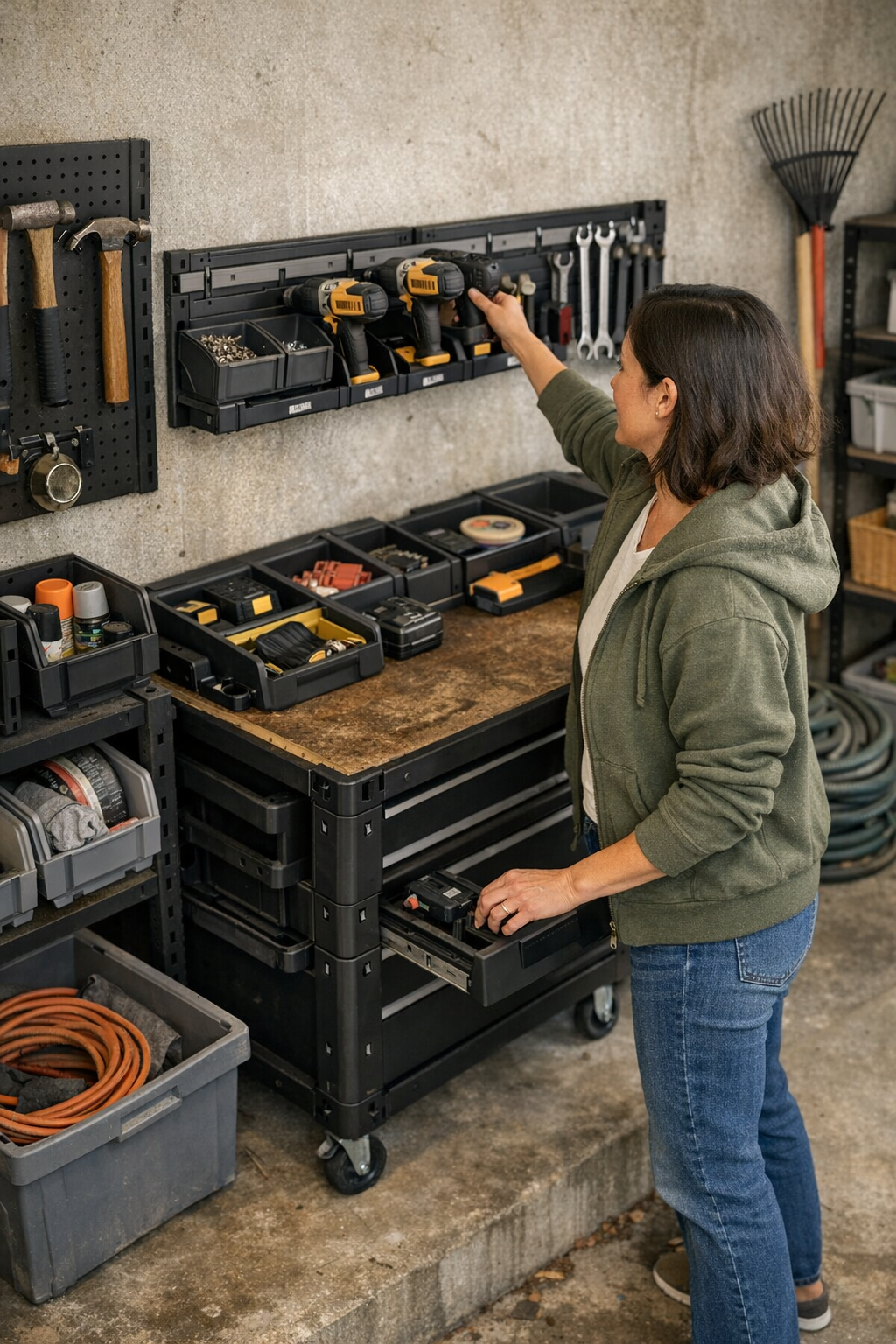
Wall-mounted storage has an aura of control, especially at the start. Everything seems visible, mapped out, like you’re finally one step ahead of the usual clutter that often overwhelms shared outdoor spaces.
But the system wears thin faster than expected, particularly once the gardening routine ramps up or the kids cycle through balls, frisbees, and other backyard gear. In our house, it was the slow migration of planters and seasonal bins that marked the tipping point—an object left leaning near the wall, too heavy or awkward for its assigned spot, or just in use too often to bother with careful placement.
You can see the break forming: a rake that never finds its hook, folding chairs propped just out of place. Each return takes more effort than it should. That was the moment I kept noticing.
Pathways, Not Perfect Grids
Floor-based storage units and modular bins bring less visual order, but more practical function. They take up more footprint—sometimes more than you’d like in a small yard or garage edge—but they tolerate load shifts without complaint.
I watched as seasonal gear stopped creeping into walk-paths. The edge of the garage stayed clear week after week. Nobody grumbled about wrestling a tangled hose onto a too-small hook. Items returned quickly, almost without thought, after backyard play or a gardening session.
This subtle shift meant less friction in the daily reset and fewer “temporary” piles forming at the margins of the storage zone. The upside was clear: floor units accommodate changing use rhythms without asking for much in return.
Letting Use Lead the Way
The more a storage system demands perfect returns, the faster it starts slipping in real-world conditions. Shared spaces, seasonal cycle changes, and mixed-use areas all carry their own pace. Wall systems look impressive and neat until daily life takes over.
Now, I pay attention not just to neatness, but to how much work it takes to maintain that neatness over time. The true sign a setup works is when pathways stay open, even after a messy weekend or a big garden project. It’s rarely about maximizing square footage, but more about enabling easy, repeatable resets with minimal effort.
It’s taken a few years to feel this difference, but it matters every season you live with it.
This reflection found its form while rethinking a small, muddled corner and looking here: http://www.tidyyard.myshopify.com