When Packing Order Shapes the Flow of a Day with Pets
A pet-travel bag should prioritize frequent-use items in fast-access spots to reduce friction and keep trip routines smooth.
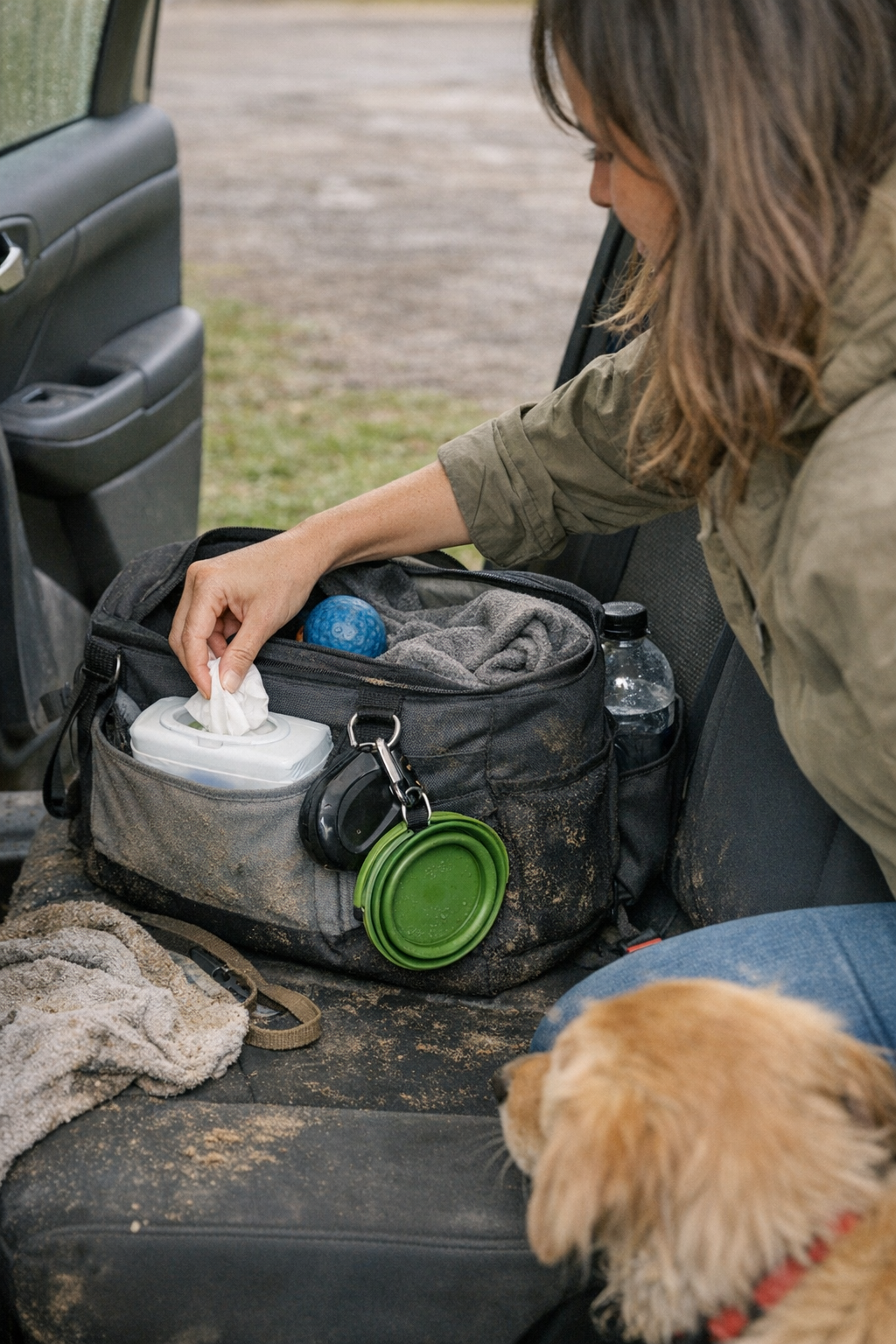
There’s a certain satisfaction in setting out with a pet-travel setup that looks right—everything zipped and sorted in its place. At first, the bag feels well organized, with bowls, cleanup gear, and comfort accessories all where they should be. But once movement starts—first the drive, then a quick park break, your dog jumping back in with muddy paws—that initial order begins to feel static, not practical. After a few repeated trips, you notice how the setup holds up when the trip isn’t just one stop.
The Look Versus the Reach
A bag can seem effortlessly organized on the kitchen table, but real travel motions start pulling at the seams. What looked neat soon becomes awkward when you need wipes or a leash clip in a rush. Items that were thoughtfully placed can suddenly get in the way or disappear under comfort blankets and toys. Bowls and cleanup gear that seemed accessible at first often drift out of reach after only a stop or two.
Even with good intentions, layers slide and pockets fill with whatever falls in next. Instead of a smooth grab, you end up digging around or fumbling. Each rest stop adds friction as the “neatness” of your setup starts to unravel, turning into a mixed tangle that delays quick access to essentials.
When Speed Matters More Than Sorting
Repeated stops bring a rhythm that quickly reveals where your setup works and where it doesn’t—car to curb, curb to seat, and back again. Sometimes it’s the dog making things urgent. Sometimes it’s a spill, mud, or the unmistakable smell of an accident demanding fast cleanup. Every small delay, like a wipe packet hidden under a bowl or a leash clip blocked by a tossed comfort blanket, stretches that moment longer.
You start noticing which items never stay where you expected and which spots need constant adjustment. One small change—moving wipes to an outside pocket instead of tucking them under gear—often made more difference than any resealable compartment ever could. Ultimately, a pet-travel bag is only as smooth as its fastest reach; everything else is just background clutter.
The Spaces That Stay in Sync
After enough loops through this routine, the friction of those transitions—each moment spent unzipping, searching, or rearranging—mattered more than how tidy the bag looked when packed. Trips became easier when frequent-use items sat closest to hand. Not perfect, but with far fewer stumbles and less time scanning for a leash clip that slipped under backup food.
What stuck with me: even simple habits, like always resetting cleanup gear immediately after a stop, helped keep things working better. Packing isn’t about how finished the bag looks. It’s about keeping pace with your trip’s rhythm, however ordinary or hectic that is, every time you move.
There’s a certain ease that comes from setups tuned to how travel with pets actually happens—the repeated stops, the quick seat-side reaches, and the transitions that constantly test your gear’s real-world sense.



