When Pantry Order Fades Into Everyday Frustration
Pantry shelving works best with shallow, clearly divided shelves that keep items visible, separate zones, and quick reset times.
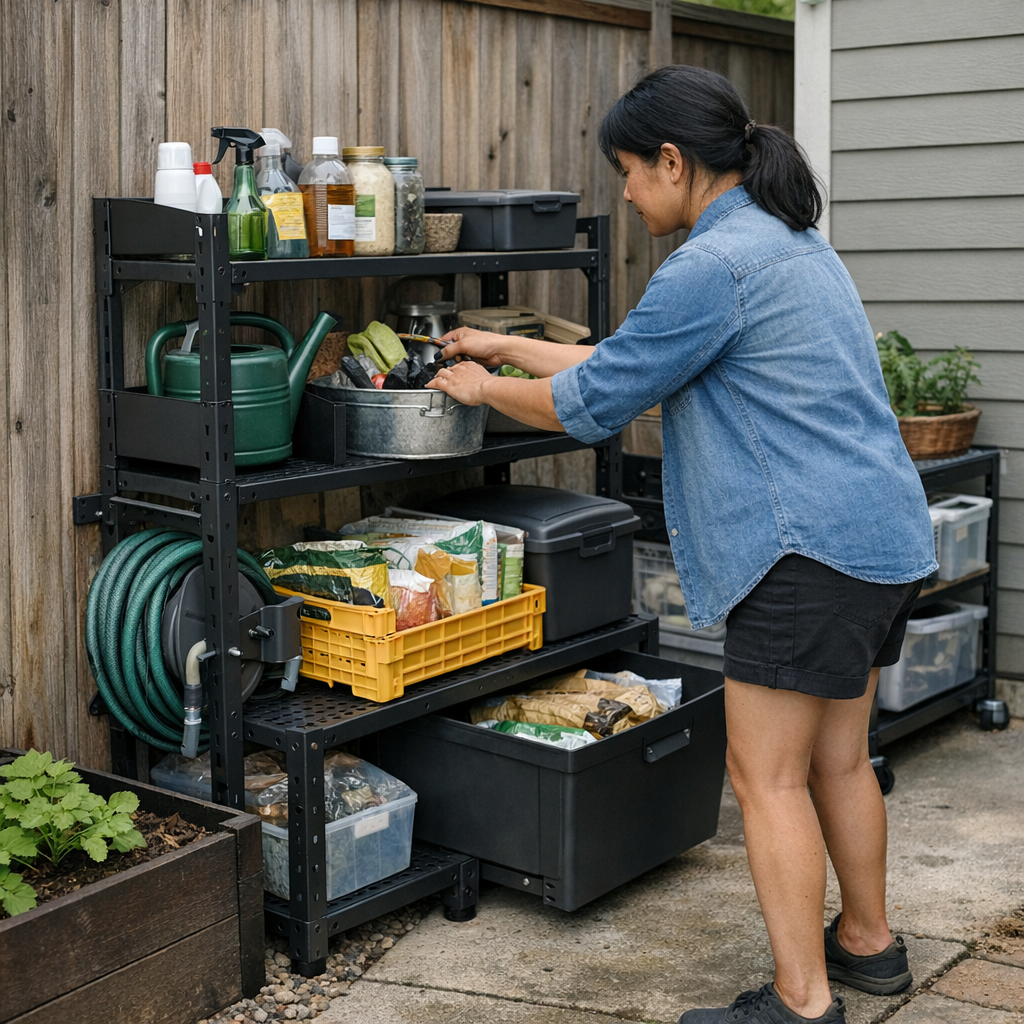
It’s strange how a pantry can start out full of promise, its shelves neatly organized with bins and categories, but then slowly slip into quiet chaos. When we first installed the system—whether wall units, modular shelving, or floor storage—the open shelf spaces looked orderly and efficient. But within weeks, the clarity faded. What began as a smooth routine of grabbing olive oil, returning crackers, and sliding a pasta bag back in its place turned into a slow shuffle, digging behind tall cans and hoping the item was still there.
I kept wondering why it felt harder both to put things away and to find what I needed. You don’t notice it immediately, but you feel it. Missing items aren’t obvious, dinner prep gets rushed, and simple routines take longer.
When Deeper Shelves Stop Helping
Deep shelves are meant to mean more capacity, but that advantage diminishes quickly, especially after a big grocery trip. Bulkier staples gather at the front while extras quietly pile behind. The carefully assigned categories—intended for pantry and utility shelving or modular wall storage—begin to blur together.
Often, retrieval leaves a half-collapsed row behind, and I end up buying extra rice not because it’s gone, but because the first bag is buried out of sight. This slow drift of category boundaries, grocery trip after grocery trip, erodes organization faster than any busy household activity.
This cycle highlighted a key insight: even a well-planned system loses shape if shelf depth reduces visibility and ease of access.
What Stays in Sight, Stays in Mind
One small adjustment helped reset the routine. Replacing a wide, deep shelf with a shallower one—just wide enough for a single row and a pull-out bin—kept even small items visible. Instead of shuffling a crowded front-to-back pile, side-by-side storage on shallow shelves created a quieter, clearer experience.
Restocking shifted from a frustrating search to a straightforward scan. This change seemed minor but mattered in countless threshold moments: right after a rushed grocery run, before dinner, or unpacking midweek. Categories stopped drifting, and tolerance for spillover decreased. There was less friction and fewer excuses to let piles form again.
Sometimes, successful organization is less about maximizing volume and more about maintaining clear visibility during busy, repeated retrievals.
Clarity Returns After the Rush
Every routine tests the storage system, pushing it out of its original order. I realized that pantry shelves and the broader modular or wall systems didn’t just control volume—they directly influenced how long it took to restore order after a hectic period.
It’s not about making the system perfect. It’s about making the reset easier. Shallow shelves, clear sight lines, and open access reduce the burden of rebuilding order, preventing category creep and hidden overflow. That ease of restart is crucial in shared-use, multi-purpose storage zones that see daily wear.
For more thoughts quietly gathered on managing real pantry and utility storage challenges, visit Gridry.



