When Pantry Order Meets Everyday Chaos
Stackable pantry bins organize snacks instantly but need practical daily adjustments like staggered stacks to maintain order and easy access.
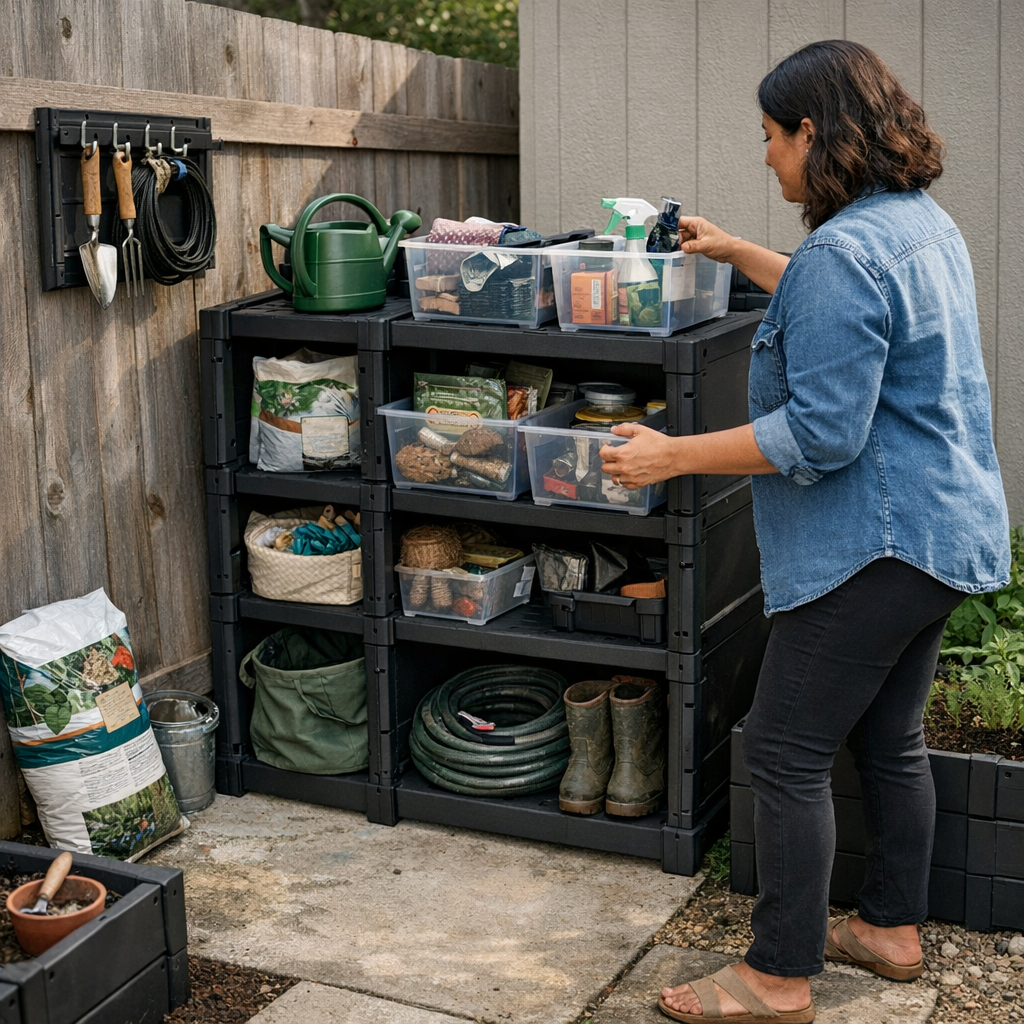
It’s strange how organization creeps in quietly, and then, just as quietly, slips away. You don’t notice it immediately—the loosened lid, the sideways label, the category that drifts into its neighbor’s bin. But you feel it, especially as days go by and the shape of ordinary routine slowly reveals your real storage needs within your pantry and utility shelving systems.
When I first set up the stackable bins along the pantry shelves, everything felt certain—rowed snacks, clear lines, easy plans for keeping the future tidy. Looking the part came easily at the start.
But over time, the way things changed—almost on their own—told a different story than any original arrangement.
The Ways Order Moves
The shelf fills before breakfast and empties again before dinner. Hands move with half their attention elsewhere. Someone pulls the bin forward for popcorn, then leaves it sideways, and below that, the bottom row ends up shadowed and harder to reach.
You expect some drift—bins shifting by a few inches, snacks crossing from bars to chips, that one granola bag always slipping out of its home. It’s not chaos. It’s just the storage system being lived in, especially in a pantry where multiple people interact with the same modular shelving units.
Stacked bins expect us to pause, restack, realign. But daily patterns rarely afford that care. What was separated the night before quietly mingles by midweek, especially when different people pull and return groceries in their own way.
The Quiet Problem Underneath
There’s a tension that builds. What starts as convenience, with clearly marked snacks and bins stacked two or three high on pantry shelves, slowly becomes a kind of bottleneck.
Beneath the outer order, friction gathers. If you have to remove a whole stack just to reach a lower bin, you’re less likely to bother—and that’s when snack pile-up spreads. Routines don’t design themselves around constant rearranging; they work within the space left available on the shelves.
I started to see the difference between a shelf that looks organized, and one that quietly stays usable. The first can happen by accident, the latter takes actual noticing—the way someone leaves a bin just at the edge, or how nobody wants to deal with a lid that won’t sit flat on a drawer unit or within a slim storage cabinet.
A Small Shift That Stayed
Eventually, something had to give. The old urge to reset everything every few days faded into a more lived-in solution: I left each stack just a bit staggered, never lined up tight, so every front edge remained visible.
It’s such a small change. But it kept each snack within sight and reach without that little feeling of friction. There was no need to unstack—just a quick reach, no second thought. The system didn’t fight back against the daily use pressures.
It’s not a secret trick. It’s just about letting storage reflect real routines, not the memory of how things looked the night you set them up, especially in pantry and utility shelving designed for repeated access.
Shelf order now survives the week without becoming another quiet chore. The edges aren’t always sharp, but the flow holds up—snacks find their place again, and resets become rare.
Somehow, the test wasn’t how neatly things could be arranged, but how quietly they stayed that way while days kept moving forward.
If you want to see how these ideas translate into storage, you’ll find more here: www.gridry.myshopify.com



