When Paper Takes Over the Entryway’s Quiet Corners
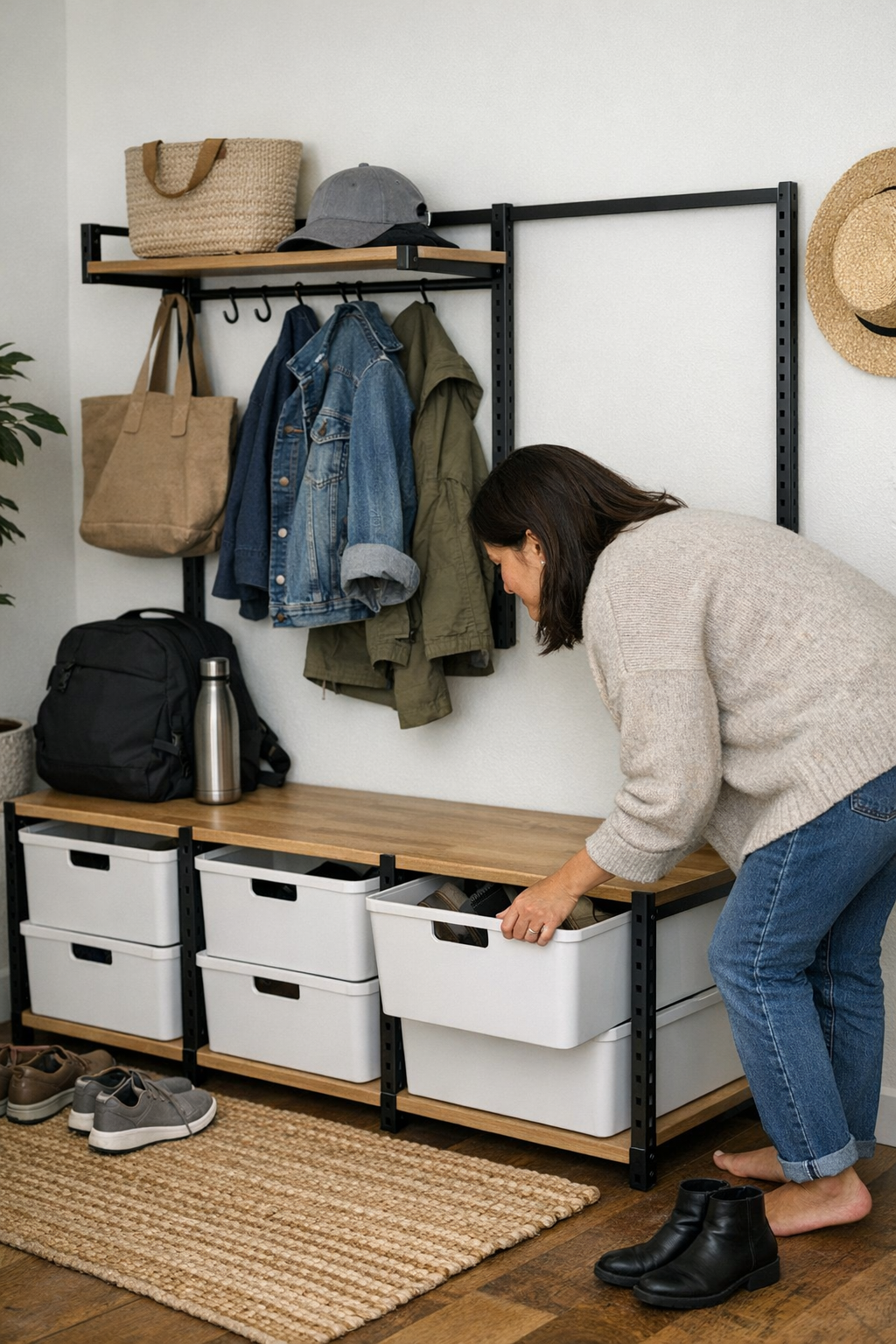
Without a dedicated mail tray, paper quickly crowds out shoes, seating, and bag access in the entryway, worsening with daily arrivals.
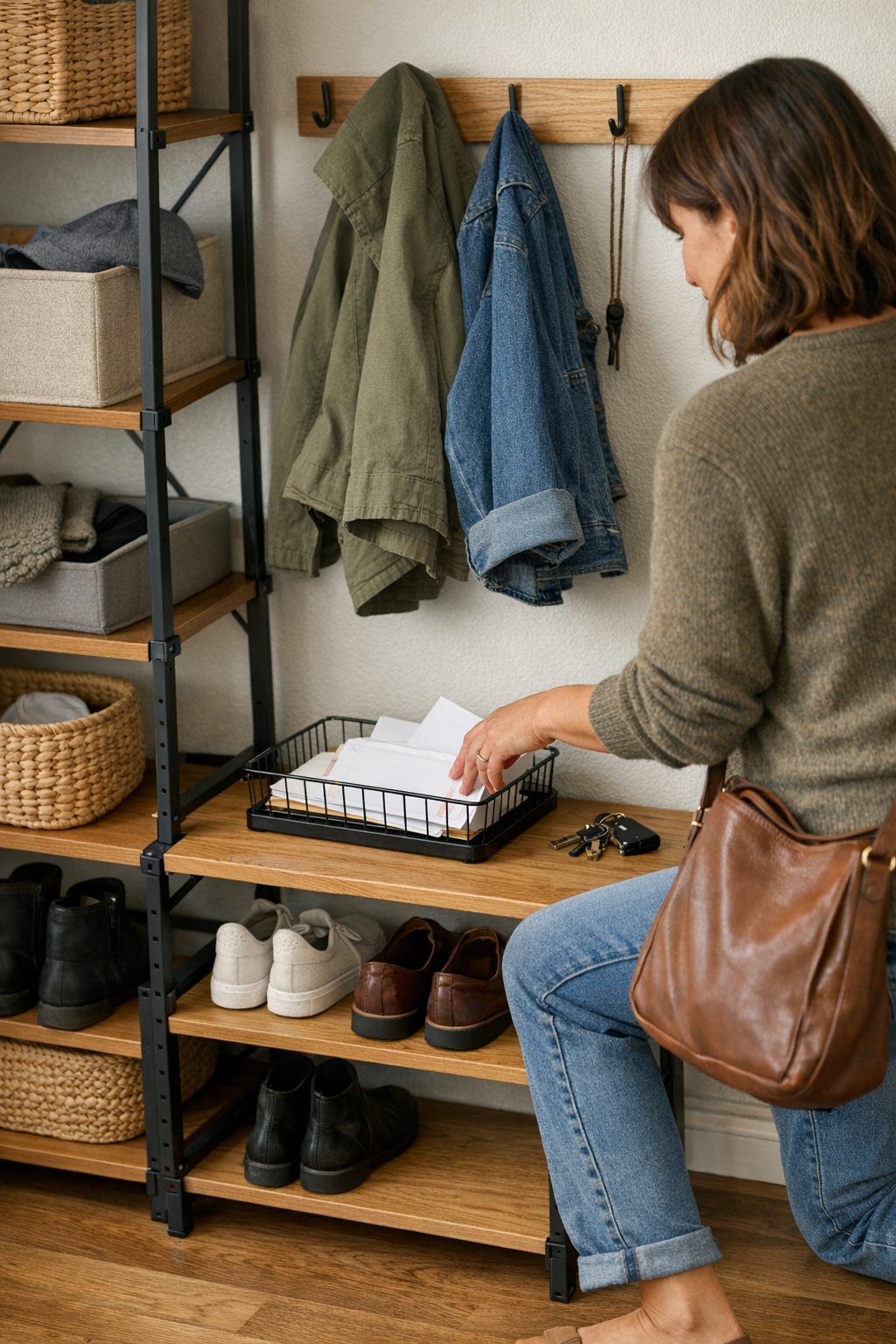
It’s surprising how quickly the boundary between order and chaos blurs when a single piece of paper finds its way into the entry zone. At first, it’s just a flyer left on a bench—harmless, temporary. But as papers multiply and slowly inch outward, they disappear beneath a coat or block a path you used to navigate without thinking. Sometimes it takes one missed envelope, or a bill crushed beneath muddy boots, to realize how fragile that sense of clarity can be in a space built for constant arrivals and departures. Somewhere along the way, I found myself wondering if a no-frills mail tray might shift that balance.
The Slow Creep of Paper
It always starts innocently. One day the pile of forms and letters stays where you set it—maybe right next to the bag drop, maybe perched on the entry bench. For a while, nothing moves. Shoes come off. Coats hang. Life keeps flowing through.
But by the second day, someone slides the pile over for a place to sit, or a bag lands directly on top, and the papers scatter without anyone noticing at first. By the third day, I’d find a flyer tucked amid gloves, or a bill hiding in the shoe cubby. It isn’t dramatic. You don’t notice it immediately.
What you do feel is a slow tightening near the threshold—an extra step to clear space, a pause to fish something out, shoes pressed into corners so papers aren’t crushed. Each micro-decision adds up, and the threshold stops being just a transition. It starts accumulating hours in short, forgettable moments.
A Tray at the Natural Landing
Adding a tray right by the first contact point—where coats or keys already go—did something I didn’t expect. Suddenly, paper didn’t drift; it stayed put. The mail didn’t have to be sorted every day, just captured behind that small boundary.
I noticed I wasn’t tracing the old cycle of clearing and resetting the bench each night: no more peeling receipts from under a wet gym bag or fishing for RSVP cards that had migrated behind an umbrella. Instead, everything paper had a single, always-available spot. The rhythm of arrival stayed gentle, even when the rest of the space pressed in.
It’s a quiet thing, but I kept coming back to it. Rethinking how drop zones work isn’t about appearances or decorative trays; it’s about how habits actually land—messy, repetitive, and honest. For me, the difference came from a tray just wide enough for a hand, placed without fuss at the heart of the flow.
Boundaries That Don’t Shout
After weeks, the lasting change wasn’t visual. It was space not blocked at a critical moment: room for shoes to breathe and a bench edge always free when the door swung open. Paper piles had less chance to turn into territory disputes between mail, bags, and boots.
I realized most entry spaces work against their own intentions by being almost—but not quite—specific in their jobs. Surfaces pretend to offer freedom, but freedom becomes overflow. The tray didn’t solve everything, but it anchored one routine and freed up seconds—a kind of practical calm.
It makes you think about what other transitions ask for, quietly, without fanfare. Sometimes a boundary is only visible after it’s done its work, letting the rest of the space breathe.
I found myself returning to Betweenry for more of these quiet, boundary-setting moments—the ones that quietly restore order without demanding attention: http://www.betweenry.myshopify.com