When Perfect Looks Don’t Match Everyday Reach
Prioritizing shelf height for repeated access prevents blocked movement and reshuffling, making storage easier and more functional over time.
There’s a strange comfort in a newly organized space—those clean lines, the sense that everything finally has its place. That’s the hope, at least. But after a few days, small frictions start to show. The kinds you don’t really notice until a too-low bin meets your knees again, or a shelf you thought was “centered” demands another reach. Organization lives in the moments between plans and everyday use, and sometimes their difference becomes all too clear.
When Order Gets in Its Own Way
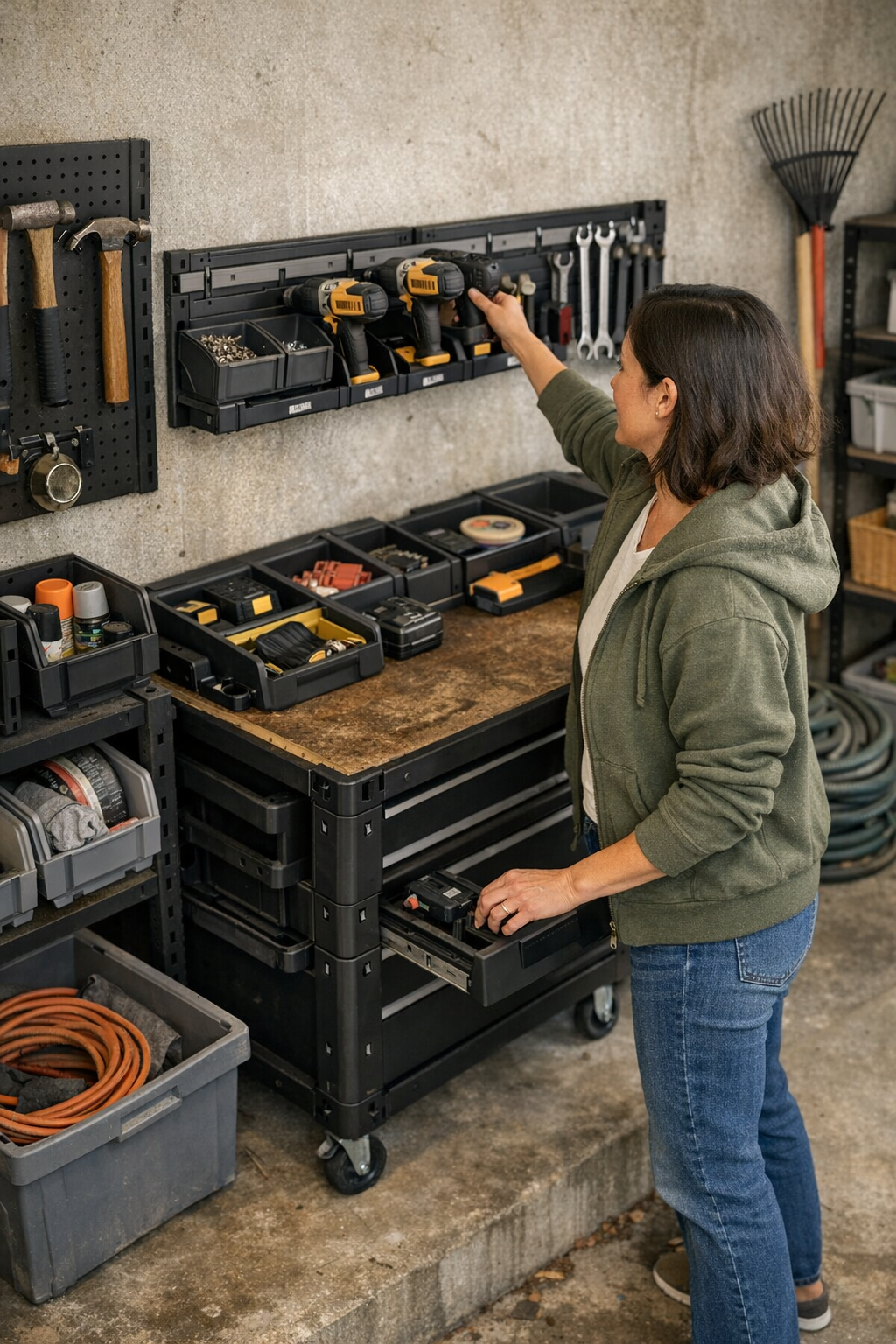
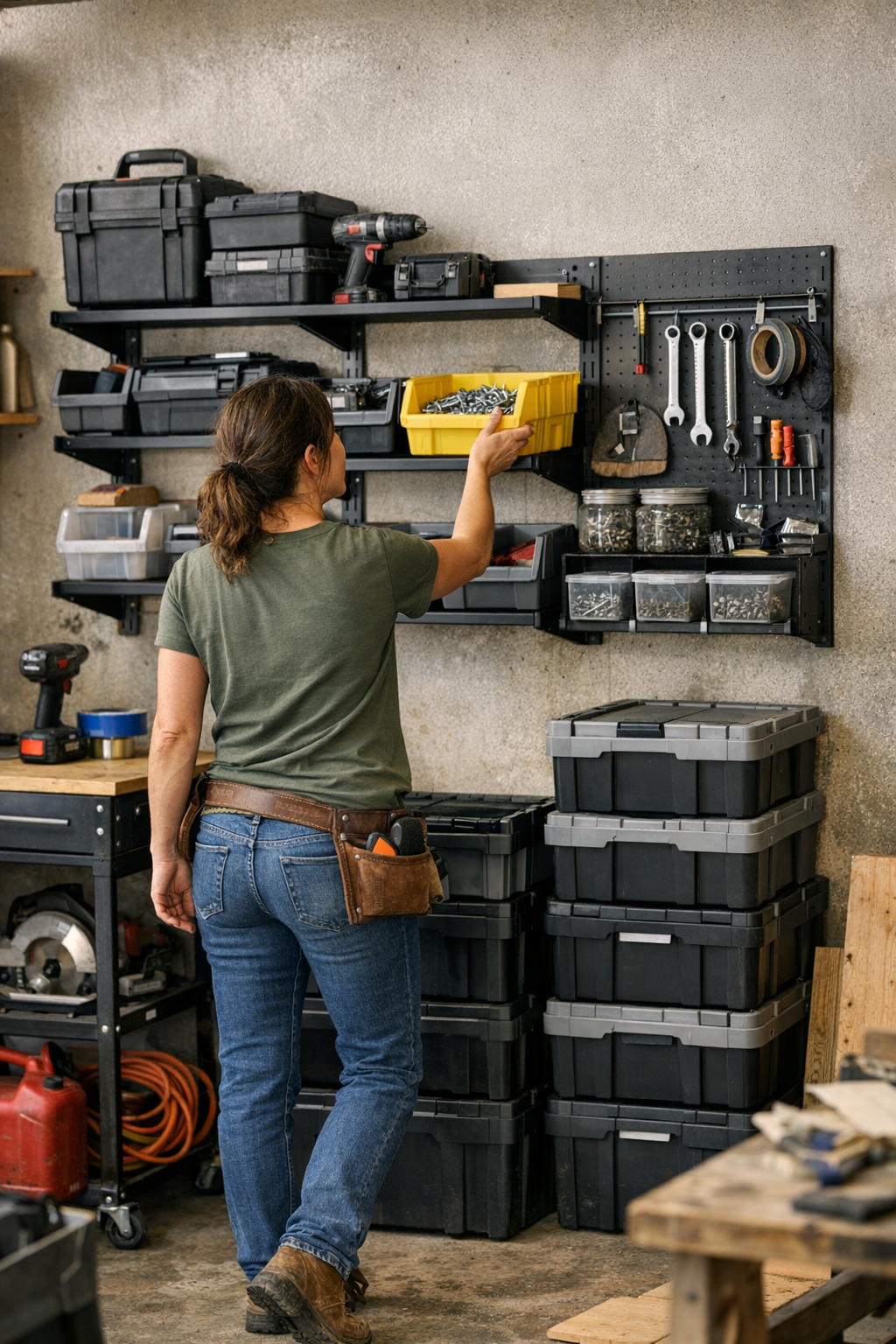
At first, I was sure visual balance would carry me through. I spent an afternoon in my garage, lining up modular shelves and wall-mounted rails until everything looked just right. Step back, admire—satisfying, even peaceful.
But habits reveal what symmetry hides. Soon I was crouching to grab screws, stretching for tape, shifting tools that resisted the order I’d imagined. It’s a quiet kind of resistance; you don’t notice it immediately. But you feel it. Every reach and bend adds up, changing the space in a way that outlasts the tidy first impression.
Living with the setup, I noticed a small pile forming—those “between” items that never seemed to fit the grid. They ended up on the workbench, nudging ever closer to clutter. It’s a story that plays out in garages and workshops everywhere: organization that made sense on install day slowly unravels as routine takes over.
How Routines Undo Our Best Intentions
It surprised me how quickly order gave way to inconvenience. Each cycle—measuring, cutting, returning tools—brought a new shortcut, a quicker path that made the even spacing irrelevant. Low floor-based shelves became stagnant, barely touched except to collect dustier odds and ends. The best-looking arrangement started to feel oddly fragile, like a photo set—good for a moment, but not built to endure.
There’s pressure to preserve symmetry, but daily use exposes its flaws. A system that blocks natural movement breeds small frustrations: time lost to bending, pathways cluttered by overflow, shelves that are more decorative than useful. After enough days, any sense of control in the space becomes something to work around rather than something that quietly supports your flow.
The difference, I learned, isn’t immediate. It happens in pauses—the awkward squats, or the way I’d hesitate before fetching something just out of reach. A reminder that what works in theory rarely stays that way in practice.
The Quiet Impact of Small Adjustments
One afternoon, I moved a shelf six inches higher, letting it hover right where my hand naturally lands. It was such a slight change. Yet almost instantly, everything felt smoother. The tools I returned didn’t pile up anywhere strange; the bins stopped becoming ankle-level obstacles. It wasn’t about perfection—just listening to movement and adjusting.
Function started to soften the space, letting symmetry yield to what felt comfortable. After that, I found myself spending a few extra seconds each weekend tweaking a shelf here, shifting a bin there. The progress wasn’t crisp or final, but it was real and practical.
Most hands find comfort in reach zones somewhere between hip and chest height. It explains why, much later, I’d remember that simple reconfiguration long after forgetting all the effort I put into lining everything up just so.
Garages and workshops don’t reveal this all at once. Time is what tells you whether a setup works, and small changes are the ones that last.
It’s funny how the urge for visual order can crowd out comfort, until a low shelf or cluttered path reminds you what really matters. Organization isn’t about what looks right—it’s about what lets you keep moving, quietly, through days and repeated use.
Somewhere in that adjustment, a space starts to feel like yours.
These quiet shifts came to mind while reorganizing a little woodworking corner.