When Pet Care Quietly Turns Into a Daily Struggle
Pet-care routines thrive on small, consistent resets—closing lids, wiping bowls, returning tools—to prevent mess and keep tasks easy daily.
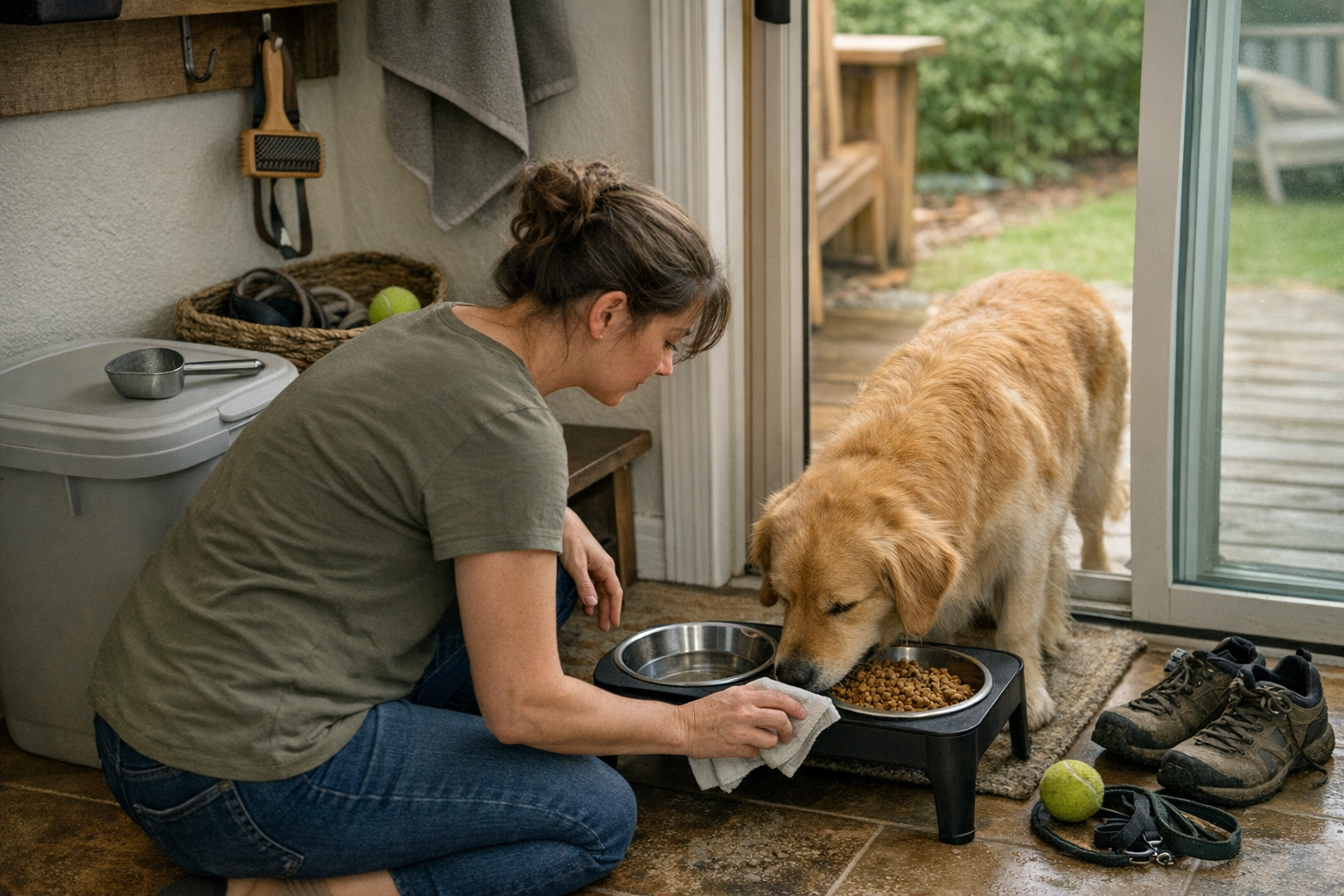
Sometimes you don’t notice the edge starting to fray. Most days, the pet area seemed tidy enough—a fresh water bowl here, an extra towel near the door, and the brush tucked somewhere close. But after a while, small signs crept in: an out-of-place scoop, a wet patch near the bowl, crumbs tracked a little further than before. It wasn’t dramatic, just more to manage in the shared home space. That’s when I realized the real work of pet care isn’t in the big resets or a neat setup, but in all the little moments between.
It looked simple at first
There’s an idea that a neat feeding setup covers all the bases—plenty of supplies, everything within reach, routines memorized. The first day on a new system always feels like the best day: full water, sealed kibble, a brush that’s easy to grab after a walk or quick grooming moment. But after a few days, small things start asking for attention. The storage bin lid left open during breakfast, forgotten in the hurry out the door. Damp food in the bowl at night from the day’s second refill. You notice it only after a few repeats, when it slows the next refill or cleanup.
I found myself wiping the same water spill twice, hunting for the scoop that should’ve been on its hook, stepping around little piles of crumbs or damp towels near the porch that wouldn’t have been there with just one more quick pass. It isn’t the setup itself, but how easily it can slip. The difference kept showing up through feeding resets, water refill pauses, and grooming basics left undone.
Eventually, the routine slows you down
Mornings got choppier. If the last water bowl didn’t get rinsed, the next refill took longer to clean. If the storage bin wasn’t closed, stale crumbs made harder cleanup by evening. Each shortcut added a new little pause. It surprised me how these minor skips quietly stacked up. Clutter returned in the corners, towels piled near the porch, and “later” started meaning “not today.” This part kept returning—knowing the setup was meant to help, but missed resets made it heavier instead.
One practical thing I learned: returning the brush and closing bins every single time—not almost every time—saved me from bigger scrubs and delayed chores. It was a small swap of effort, but it lightened the entire routine, from snack refills to after-walk mess carryover.
Less about big changes, more about the smallest loop
There’s comfort in having a space set just right, but in practice, the weight comes from the pieces left unfinished. A quick wipe at every water refill takes seconds in the moment; leaving it means a ten-minute scrub by the weekend. The next morning, I could move faster, nothing sticking or spilling where it shouldn’t. It seems like an extra step, but it really subtracts all the slowdowns that collect as feeding resets, quick grooming, and cleanup after porch or yard time drift out of sync.
I used to think making a better setup meant reorganizing everything at once. It turns out the tiny resets protect the bigger picture. The feeling of effort comes not from the daily tasks themselves, but from the friction when finishing gets delayed—whether that’s blocked access to supplies, a storage bin left open, or a missed rinse of the water bowl.
The days settle down when each cycle closes just as it starts.