When Quiet Corners Become Hard to Find
Afternoon pacing in dogs is caused by repeated noise interruptions; moving bed or bowl to quieter spots stabilizes routines and reduces disruption.
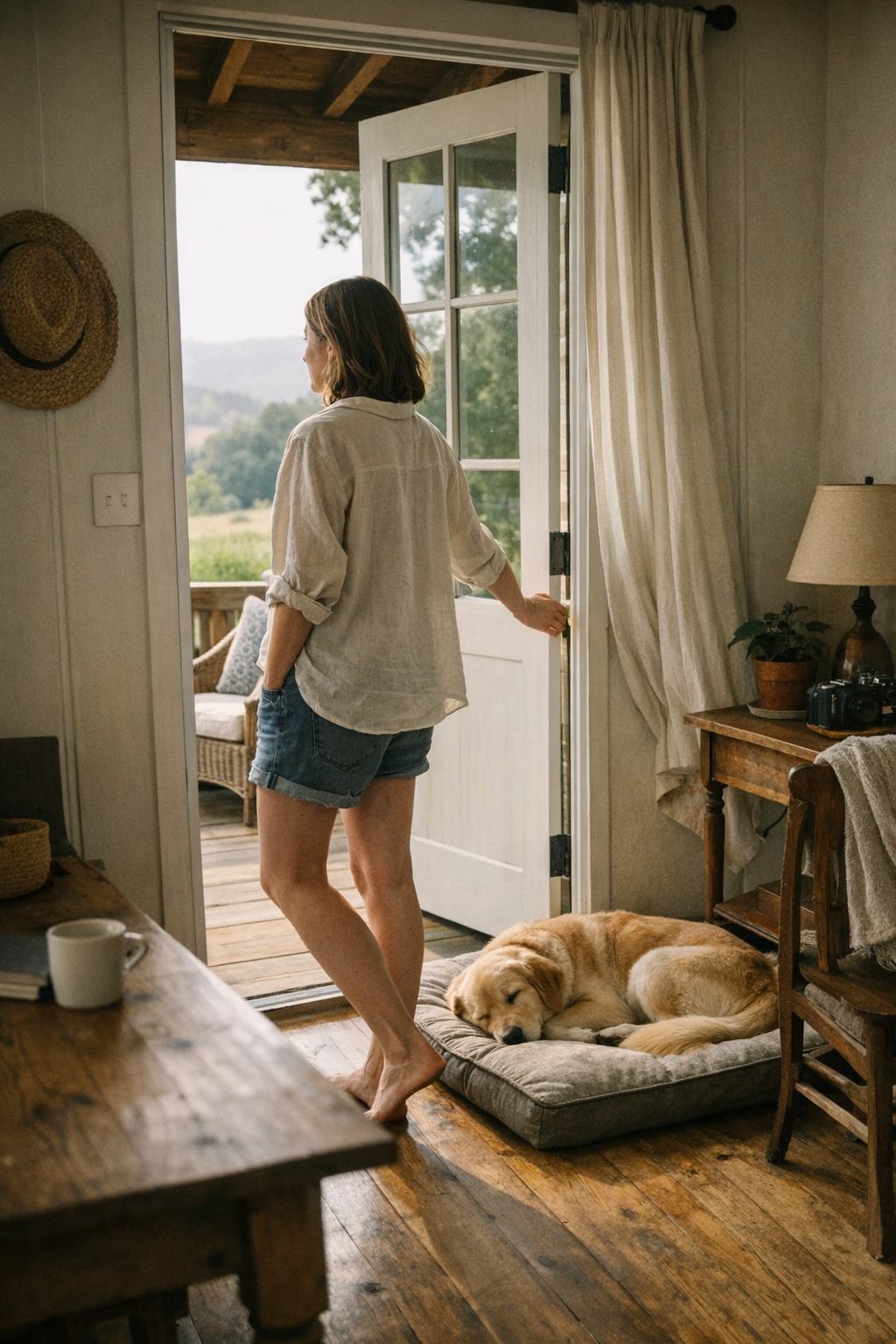
You notice it after a few mornings, then it returns quietly every afternoon. Not wild running or classic zoomies—just steady, slow pacing between the same spots. The dog has his favorite corners, but when household noise picks up, these spots become less safe retreats and more part of a restlessness loop. It looked fine at first. But the pattern kept circling back: bed to door, water bowl to hallway, little pauses by the den, then repeating.
The background noise isn’t dramatic—just laundry swaps, a coffee grinder, footsteps in the hallway, voices snaking in from another room. Somehow, those everyday sounds disrupt more than I expected. And every day around 2:30, the difference shows up: my dog lingers by the side of his bed but never fully settles, glances toward the kitchen, then drifts past his food bowl. I used to think it was just boredom. Now I’m not so sure.
Pacing Isn't Random
It started standing out as the weather warmed up. After a walk, I’d let my dog dry off by the back door, towel slightly damp, with his water bowl in its usual spot by the kitchen. A few paw prints, nothing major. But instead of curling up to sleep, he’d pace the tile—half-hearted laps from bed to entryway, never really resting.
You tell yourself he has energy, but when the same interruptions happen day after day—the mail slot clatter, dropped shoes, voices from upstairs—the pacing pattern grows familiar. One day I knelt near the bowl to sweep up some scattered kibble and noticed the edge of the flooring looked grayer from repeated paws skimming past. That was the part that kept returning—not just movement, but incomplete settling. Paw scuffs, abandoned naps, half-finished drinks.
What feels like background activity builds into a quiet obstacle. Rest gets fragmented. Feeding moments get interrupted. The patterns blend into a normal afternoon until you realize he’s tracing that path between door and bed for the third time, reluctant to really stop.
Actually Shifting the Space
I moved his bed twice before something changed. First, out of the main thoroughfare—away from shoes and the basket where towels pile up after walks. That helped a little, but noise found him anyway. The circuit between entry and kitchen bent a little closer to the next doorway when the afternoon activity ramped up.
The pause came quietly, almost by accident. I shifted his resting spot to the corner behind a large, unmoving chair, not far from a window but buffered enough so passing through the room no longer brushed right beside him. The feeding bowl came with him—moved about half a meter closer to this quieter pocket.
For a week, the difference became clear. Pacing slowed. He started actually curling up across the mat, snacking without darting up mid-meal when shoes tapped the tile. Instead of showing up underfoot during chores, he’d watch, then drop his chin and rest his eyes halfway closed. Mealtime returned to a quieter interval.
The Quiet Cost of Routine Friction
It’s easy to misread restlessness for boredom or impatience. But every afternoon, the toll crept in through small inefficiencies: unfinished meals, a dog back underfoot before I finished, rest resetting instead of settling. These details don’t shout—they accumulate. Often, it’s the repetition that signals a real change is needed.
Moving a bed or sliding a bowl isn’t dramatic, but with the right spot found, our routine smoothed out. Less bumping into feet, easier resets after walks, and a calmer run-up to evening settling. The shift wasn’t about stylish corners or perfect layouts—just living with the difference between tidy and truly easy to use. Over time, calmer intervals grew more frequent, the drawn-out pacing faded, and evenings felt less fragmented.
Sometimes, it really is where you put things—one small change so the rhythms you want can return.