When Quiet Dust Signals a Seal’s Slow Decline
Overlooking dust seal wear causes leaks, more cleanup, and surface flaws. Early checks and timely replacement keep dust contained and work clean.

It’s easy to overlook the little details in a workshop—the hum of the vacuum, the even flick of a sanding block, a faint whiff of sawdust in the air. Nothing seems out of place, until soft trails of dust begin to etch themselves along the bench, or grit accumulates in spaces you thought were clean. Most days, the vacuum dust seal is invisible, quietly doing its job. But when it falters, everything changes in small ways that add up.
You don’t notice it immediately.
But you feel it.
The Quiet Work of a Good Seal
For a long time, I barely thought about the dust seal running along my vacuum’s edge. I assumed it was just another part, unremarkable, as solid as the rest of the machine. Yet over time, its quiet reliability slips. The difference isn’t loud or obvious—a little less spring in the rubber, a subtle edge that no longer snaps back under your thumb.
Real trouble starts small—a faint grit at the seams, a few extra passes needed with the rag after the job. Only later do you see it: residue clinging to corners and a haze collecting where two pieces once met perfectly. In surface work, the smallest leak spreads, magnifying until it shapes your whole day.
The Moments When You Realize
Dust is patient. It tucks itself behind barriers and waits. Halfway through a sanding session, I’d find tiny, uncompromising specks lurking right where the vacuum was meant to keep them out. A seal that felt fine at sunrise would resist, feel sticky, or compress too easily by lunch. I started seeing the pattern—morning confidence, afternoon correction.
There’s a quiet frustration that comes from chasing messes you thought you’d already cleaned. Every return trip for extra wiping or wondering why your finish isn’t quite smooth is, in a way, just a slow conversation with a part you didn’t see aging.
A Small Shift, and a Clearer Space
It took me longer than I’d like to admit, but eventually, I swapped out the tired seal. The old one had compressed down to nearly half its original thickness. With a fresh replacement, there was an odd sense of relief—dust dropped neatly into the canister again, seams stayed clear, and the time spent on after-the-fact cleaning quietly dropped away.
You don’t think one thin strip of rubber matters, until it does.
I started checking the edges every month or so, paying closer attention to how the seal felt—whether it bounced back, if any residue started to cling, or if the edge profile looked tired. Not a checklist—just a moment’s attention before setting up for the next job.
Time has a way of wearing even the smallest things, often before you can see the change. But the gentlest maintenance—replacing a seal, watching for early signs—brings an odd satisfaction. The workspace stays a little quieter, the cleanup feels less endless, and there’s just that much more peace in the rhythm of the day.
It’s odd, how much can depend on something you barely see.
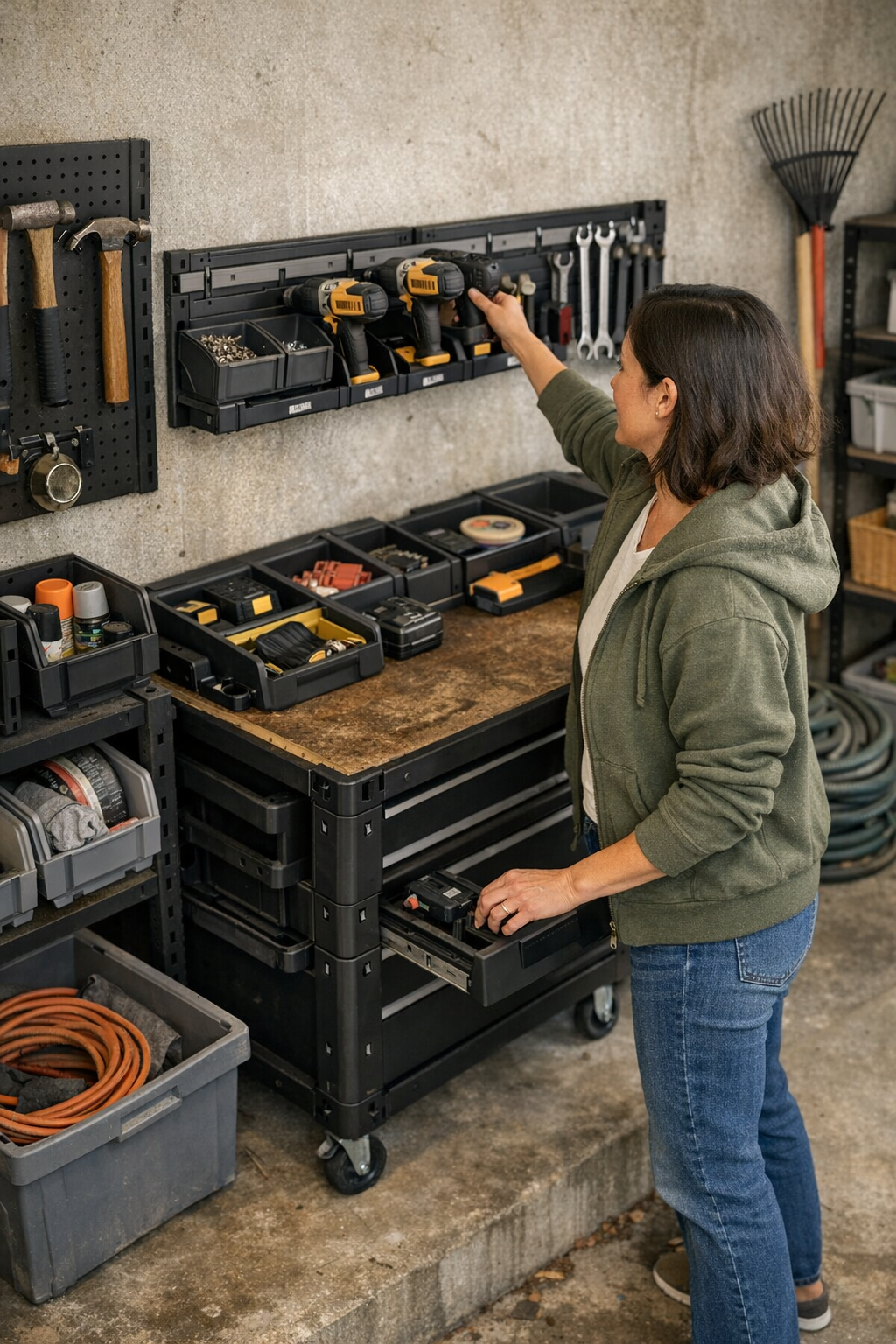
These thoughts came together while quietly resetting my shop for another round.