When Quiet Pauses Shift the Rhythm of Our Days
Subtle pauses after mealtime, like circling the bowl, disrupt routine flow. Adjusting bowl placement reduces friction and smooths daily transitions.
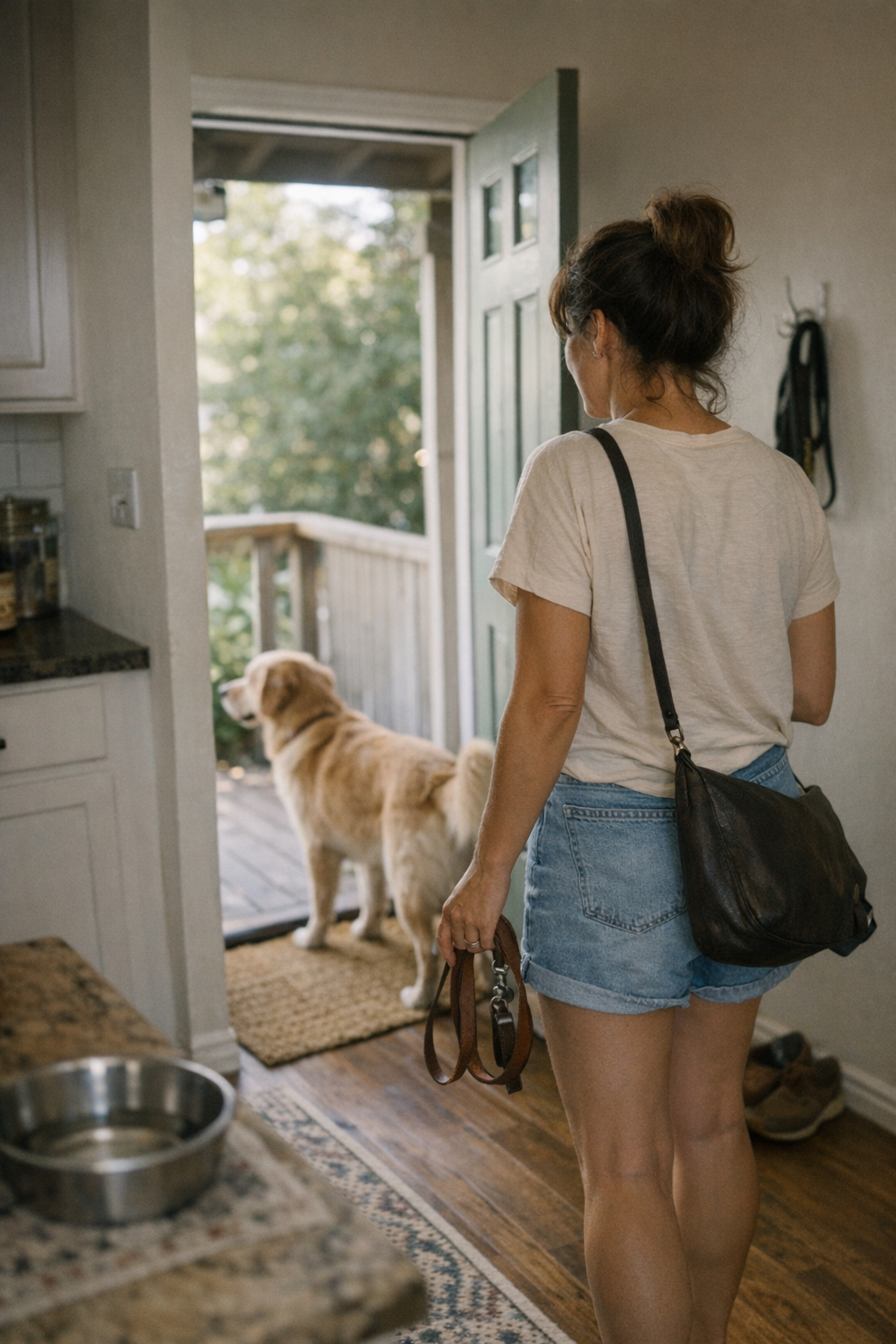
I kept noticing it most after dinner, but the pattern started well before that: my dog would finish eating, stand over the bowl—a quick scan, nose low—and then linger by the mat. Sometimes turning in one direction, sometimes just pausing. The moment barely registered at first. But once I recognized it, the pause seemed to grow, quietly stealing seconds from the next part of the day. Meals ended on time, but walks began with a delay I couldn’t quite account for. Repetition made the small snag feel more permanent.
Routines don’t break all at once. In our house, it’s a steady rhythm of eating, waiting, going out. Lately, this rhythm kept catching on the same snag: a transition that didn’t flow the way it looked like it should. The bowl sat in what seemed like the obvious spot, wedged near the kitchen’s edge, away from traffic. It looked tidy enough. But every meal ended with a pause, a gentle standoff where anticipation and uncertainty met by the mat.
You notice it after a few mornings in a row. The leash hangs by the door, ready. I’d finish my own breakfast and expect to turn, click the leash, and move out in one motion. Instead, I’d find him stalling, sometimes looking at me, sometimes at the bowl, as if he was waiting for an instruction no one had given. That was the part that kept returning. The hesitation didn’t look like confusion or disobedience. It was more like the space wasn’t giving a clear signal for what came next.
The Misstep Between Eating and Moving On
What felt at first like a harmless delay gradually shifted the whole flow. The bowl’s placement—just a little out of line with the path to the door—meant every transition after meals doubled back. The dog finished, but instead of drifting toward the leash, he circled, stalled, and waited for a cue. It looked like maybe he was hoping for a stray treat or some extra approval. But over days, it was obvious: the whole routine stalled at that spot. The once-simple transition wasn’t smooth anymore.
You begin to anticipate the pause yourself, lingering with an empty dish, a leash draped over your wrist, squinting at the difference between what looks organized and what actually works. I started taking longer than necessary too, mirroring my dog’s hesitation. Walks slid later; the overlap between breakfast routines and early movement left everything just a bit out of tune. It’s a shift that creeps in quietly, hidden behind the language of “good enough” and routines that seem fine on the surface.
Small Shifts, Quieter Routines
It felt almost lazy to consider that bowl placement could matter this much. But the difference showed up in smaller ways than I expected. Nudging the bowl one mat’s width toward the hallway nudged everything else, too. My dog, no longer blocked by the eating spot, found the leash path in a single motion. The stall by the mat faded. Instead of that silent negotiation—who moves first, who signals next—there was just movement.
It didn’t look fancy, and nothing about the kitchen was transformed. No one even noticed the change unless they watched the way meal routines straightened out. Setups that look organized can still pull things off pace. A setup that gets out of its own way—that’s quieter. The return to ease wasn’t dramatic, but it made those back-to-back transitions feel more natural. I didn’t find myself waiting for the right micro-moment, and he didn’t have to guess whose move came next. The absence of that pause made the flow return, invisible until it was missed.
The realization landed as just this: sometimes, daily dog-life routines slow down not from what’s missing, but from what’s slightly out of line. When the setup finally matches the real pattern of movement, friction drops away on its own. The practical work was smaller than expected; the outcome was a softer, more reliable shift from one part of the day to the next.
Lived-In Transitions, Not Perfect Spaces
The kitchen still collects its own little pile-ups—towels by the door, toys drifting into corners, a leash occasionally lost under a chair. Living with a dog never stays flawless, no matter how many resets you do. But noticing where routines actually trip—where something just keeps slowing you down, where the pause keeps returning—that matters more than achieving any perfect arrangement.
I relearn this most evenings, when rest corners need tidying or the walk returns us to damp towels and overlooked bowls. It isn’t about decorating the space or having the cleanest line from bowl to door. It’s about noticing which transitions feel natural, which ones keep snagging, and making the smallest possible shifts that let the day go on with fewer interruptions. What changed wasn’t the kitchen, or the dog, or the leash. What changed was watching for the spot where we both stalled, then moving it.
Sometimes daily dog-life is just a series of small re-alignments. The rhythm settles down when the friction does.
For anyone curious about other small shifts that quietly change daily routines, I found some gentle ideas here: http://www.dogpile.myshopify.com



