When Quiet Rest Feels Out of Reach at Home
Dogs hover near beds when rest areas face household movement and clutter; moving beds away and clearing space helps them relax fully.
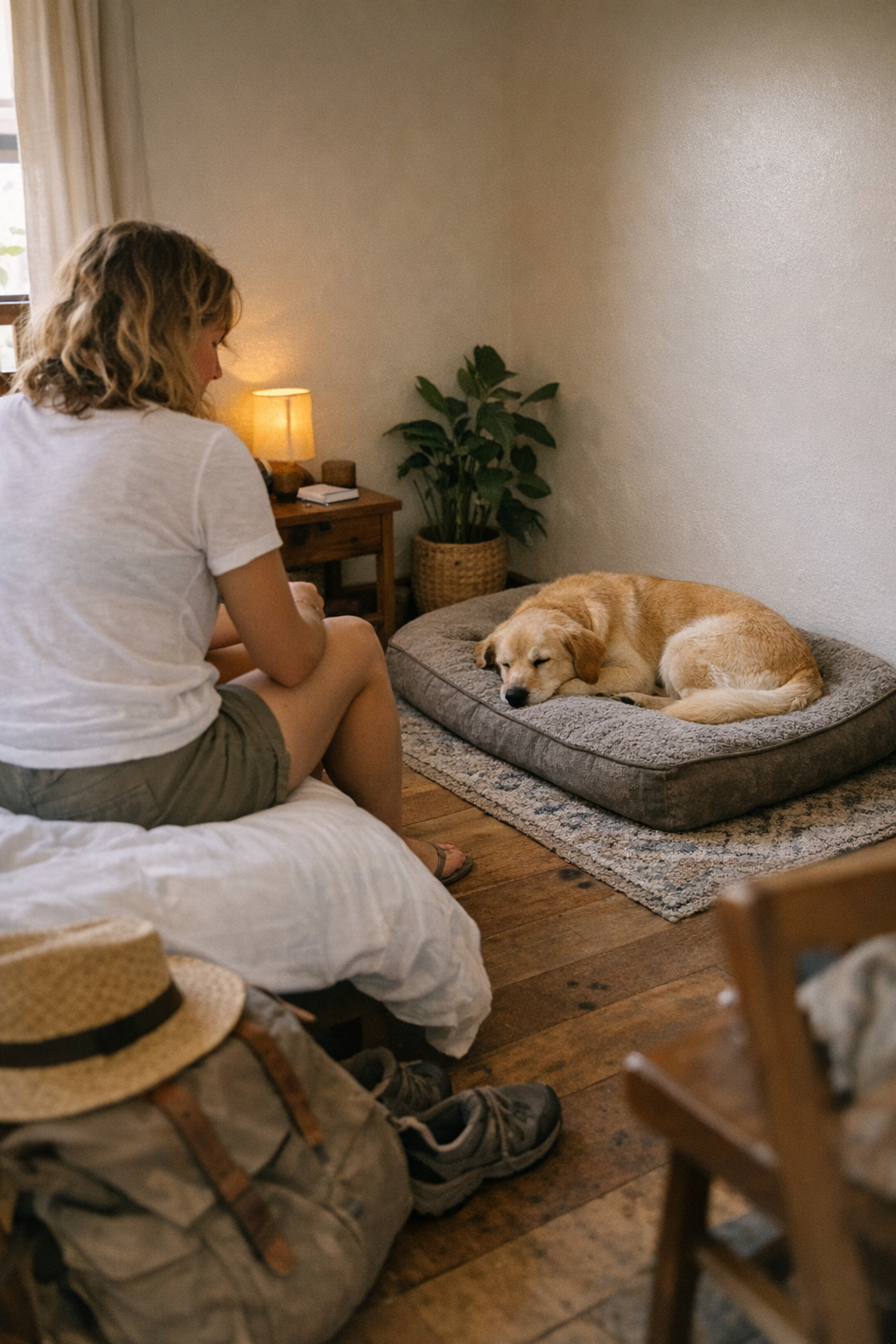
It keeps happening right after the last walk. My dog is quick to claim a corner for herself in the kitchen, but she always half-settles—tucked in, then up again, eyes darting at every shuffle. The little bed beside the counter looked fine at first: out of the main walkway, soft enough, easy for late-night flops. But there’s a difference between a space that looks ready and one that truly offers comfort. Lately, the pattern’s clear. By the third or fourth hesitation, it’s never just about tiredness.
Mostly, it starts with small things—bags parked for sorting, shoes left at the door, water bowls inching closer as days blur together. The rest corner shrinks, slowly overtaken by daily movement. Nothing dramatic, just routine collisions. I see her hover on the edge of the bed, one paw still angled as if ready to move. A pause that lasts. The comfort is there, but so is a sense that she’s waiting her turn even while at rest.
You notice it after a few mornings. She doesn’t really claim the space as much as borrow it. Rest, check, shift, ears alert. I used to think it was just mood or leftover energy from walks. But the real drag shows up when familiar clutter piles in: towels for wiping paws, an extra leash tossed over the bench, toys spilled with no proper place to land. Over days, the route past her bed gets tighter with stuff—turning pause and alertness into the background hum of the area.
She tries to rest, but every movement in the kitchen resets her. A dropped spoon, a door opening, groceries placed on the counter—it all pulls her attention away. The setup looked tidy enough. But what was meant to be a comfort spot turns into a waystation, always on the verge of being reclaimed by people, bags, and noise. Chasing that last bit of settling is like trying to nap in an airport hallway. Eventually, you stop trying.
The difference showed up in smaller adjustments than I expected. Moving the bed away from foot traffic (closer to a quiet alcove, out of the door’s breeze) felt subtle at first. I put shoes elsewhere, hung leashes up, nudged the water bowl so it didn’t crowd the edge. Suddenly, she jumped on the bed and stayed, chin down, breath slowing, fully relaxed. Not instant, but the next night was the same. Some routines get easier before you even realize you’ve settled them.
It reminded me how often a dog’s rest is diluted by leftover movement. Not just clutter, but the rhythm of people passing by, pausing, doubling back for forgotten keys. Dogs don’t filter background activity the way we do. They read it all as invitation or warning. A rest spot on paper is just that—on paper—unless the living patterns around it change. That’s the part that kept coming back: downtime isn’t about softness, but about space held steady and simple.
There’s a quiet reward in seeing your dog finally stop bracing for the next interruption. It’s not just her rest but mine that deepens. The reset, I learned, happens in where you put things—less in how good they look, more in how gently the space signals “enough for now.” Each time I notice her asleep in her corner, undisturbed, it feels less like design and more like routine returning to itself.
For anyone rethinking their day’s set-up, I come back to this: what looks tucked and accessible at first can quietly become a bottleneck for rest. Sometimes all it takes is moving a bed or towel away from the edge of movement, clearing a direct path, and leaving the area a little emptier than usual. A minor shift, really. But in daily life, those are the adjustments that keep both of us moving easier through the return and the pause.



