When Returning Tools Feels Like Part of the Day
Outdoor storage works long-term only if return flow matches real use; visible, easy spots beat bins, enabling quick, clutter-free returns.
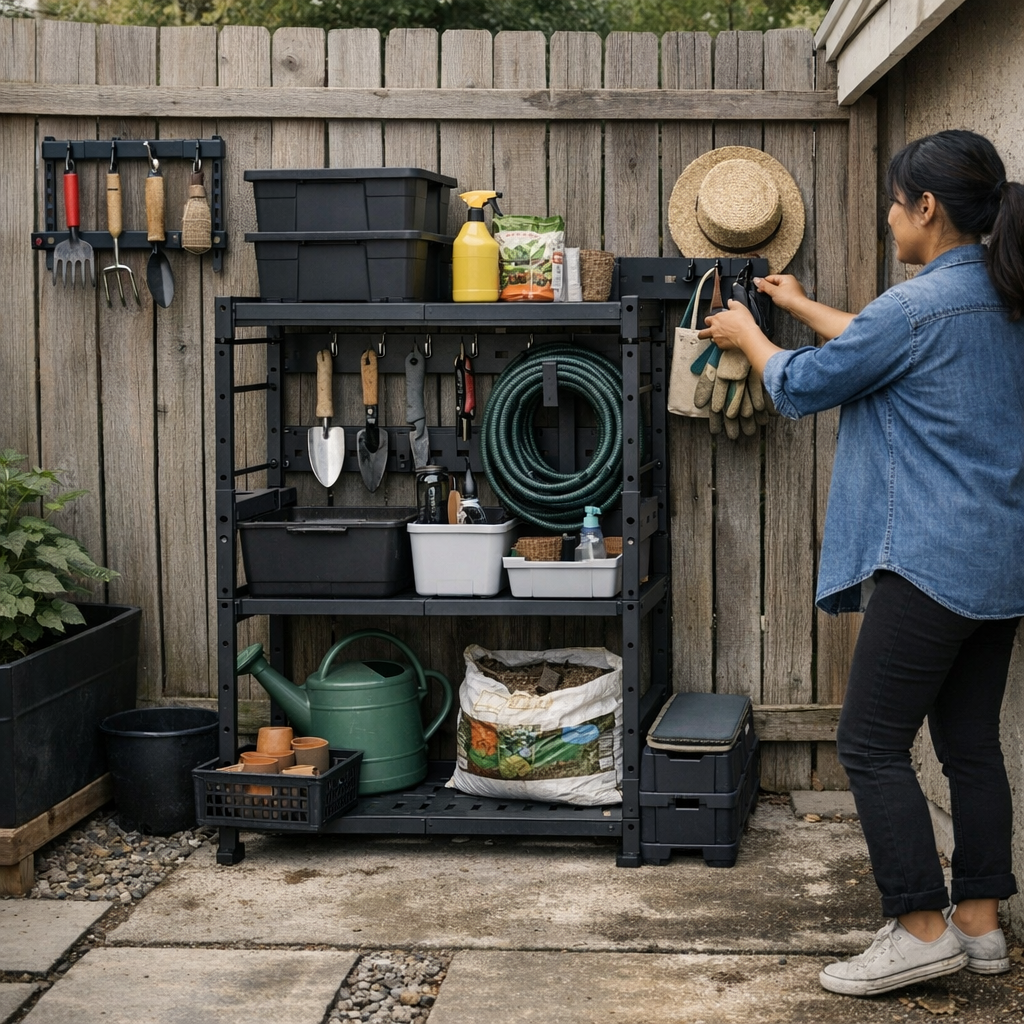
There’s an odd comfort in a freshly organized corner of the yard—a moment when everything finally lines up and feels in place. But the real test arrives days later, in the rush of midsummer with hands full, wondering if it’s worth reaching for the bin or just dropping gloves wherever. That split second, where convenience quietly overrules all good intentions, matters more than any initial setup.
For a long time, I blamed clutter on limited space or a lack of clever containers. It took living with the same untidy loop—a shovel leaning against the step, packets of seeds always misplaced—to realize the pattern wasn’t about where things “belonged” but how they came back. The logistics of returning items to their spots matter more than having the perfect box or shelf lined neatly along a wall.
The Distance Between Use and Return
You don’t notice it right away. A system can look tidy in the morning, with every tool stacked or hidden, only to unravel by evening. I saw how frequently used items—pruners, gloves, a small trowel—would orbit further from their homes with each busy day. Resetting lost ease because returning felt like an interruption, an extra step wedged awkwardly between tasks.
There’s an honesty in how everyday movement shapes mess. If the path back requires too much effort—an extra stride, a reach past clutter, a pause to resettle things—habits drift away from the plan. When storage fights your routine, it quietly loses.
Softening the Return Path
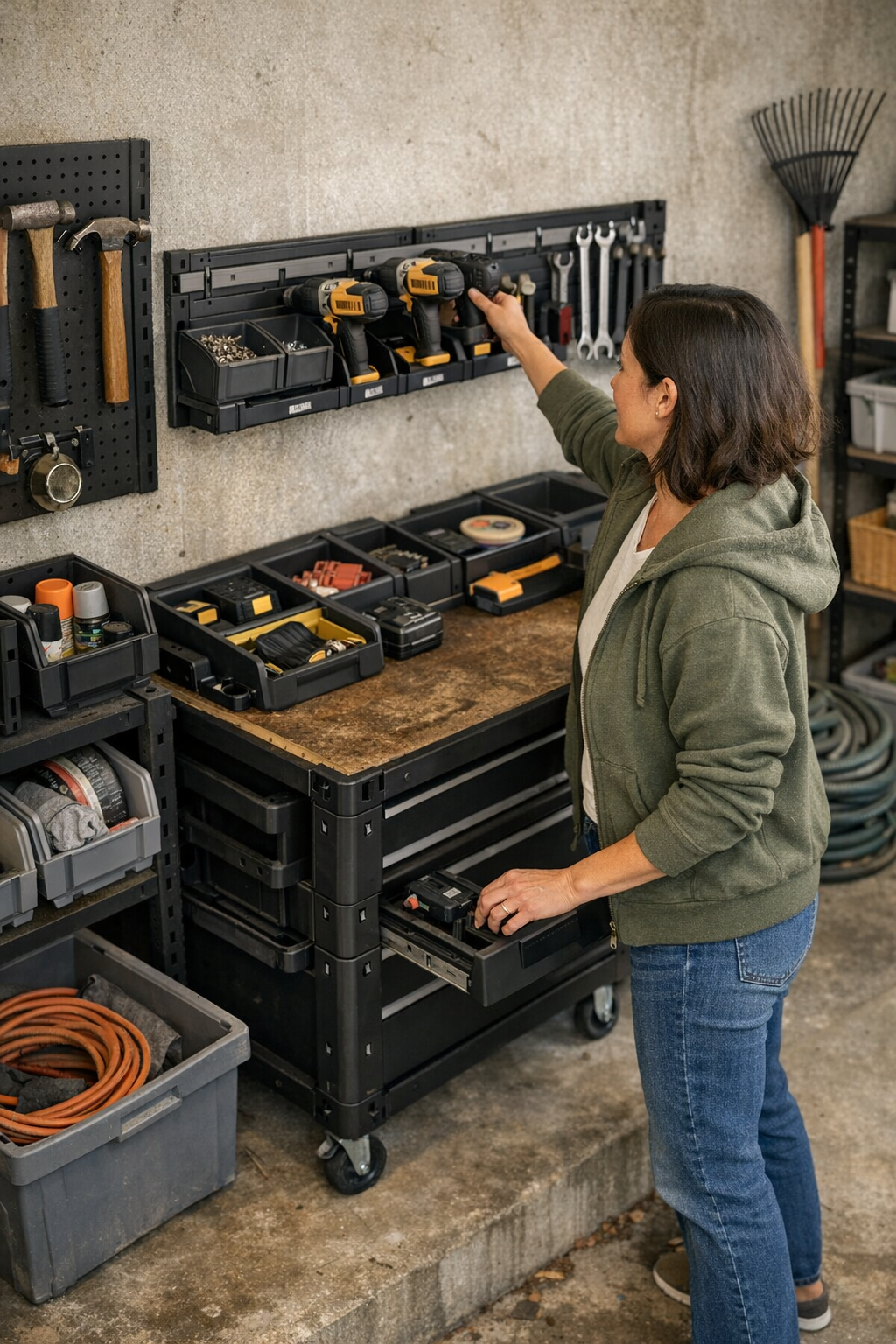
One shift made a difference: installing wall-mounted hooks right where I naturally paused after gardening. Instead of tossing tools into bins, each item had an open, visible spot—a clear invitation to belong. The impact was subtle but steady. Returning tools became instinctual rather than a chore; just half a step, hang it up, and move on.
But you feel it. That slight reduction of friction was the part I kept coming back to. Items no longer gathered in ambiguous piles. They were either in use or hung up, never lingering somewhere in between. Oddly, this small change made the whole area feel more open, less like a place needing constant reset.
When Simplicity Outlasts Good Intentions
It’s easy to mistake a tidy reset for a lasting fix. But a system truly lasts only if it can be returned to without hesitation, especially when distracted or hurried. The most practical solution was giving each well-used item its own clearly marked spot—ideally within reach of where it’s actually needed. Suddenly, the difference between order and disorder felt less dramatic. Just a fraction easier, but enough.
There’s nothing glamorous about weathered hooks and a focused return path. But I’ve found the setups that ask nothing extra last longest.
These reflections settled while walking the same stretch of fence, revisiting this idea in small ways: View the full collection