When Saw Blades Fail: The Quiet Frustration of Rough Cuts
Quickly worn reciprocating saw blades signal the wrong TPI or not switching blades between materials, causing rough cuts and extra sanding.
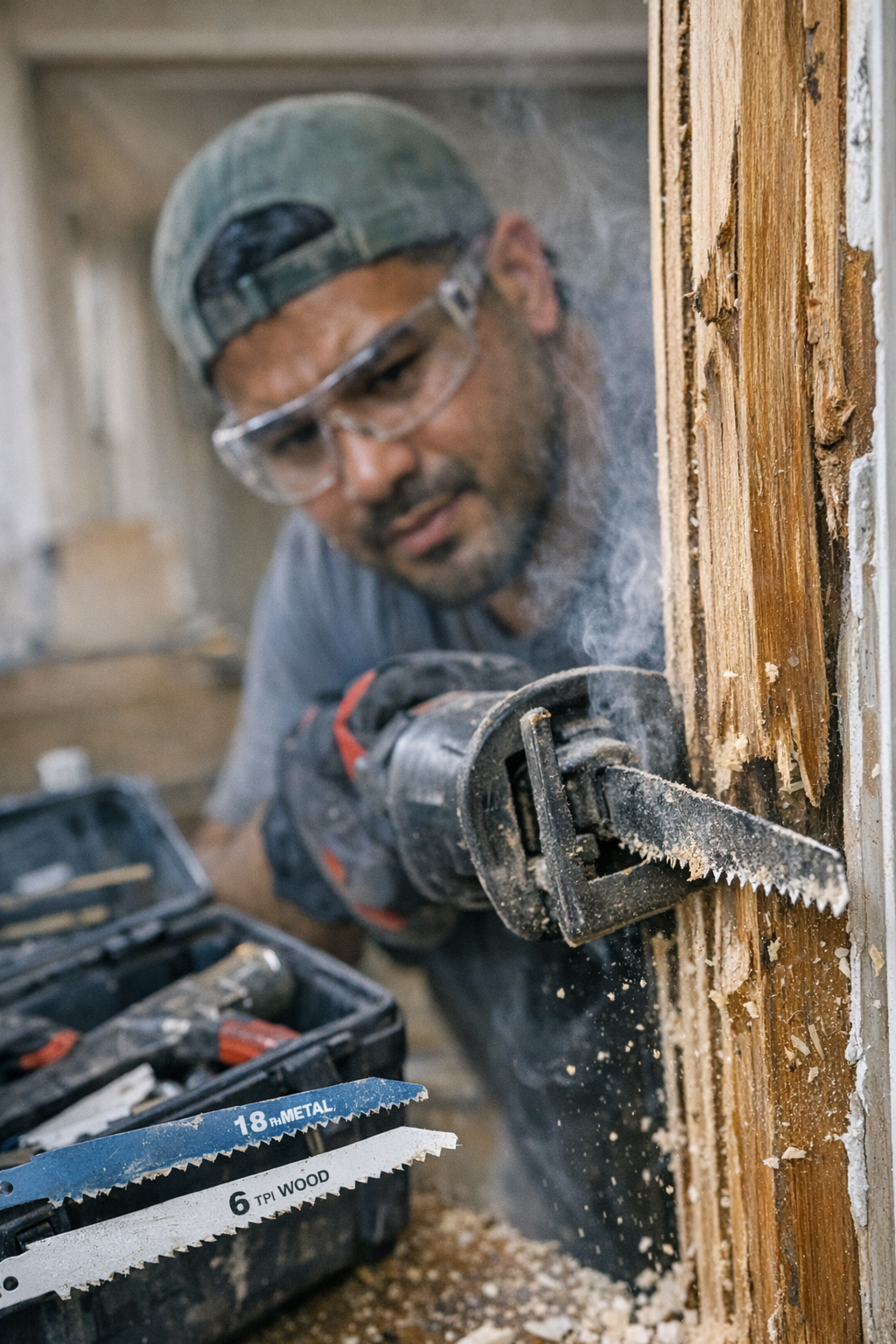
There’s a quiet frustration in working with tools that don’t quite keep up. Reciprocating saw blades, for instance—they start strong, slicing smoothly through wood or metal. Then, without warning, something changes. A vibration creeps into the handle. The cut grows ragged, edges fray, and the saw feels heavier in your grip.
You don’t really notice it at first. But you feel it.
It’s strange how the small details of our work can blur into the background, only to surface when something interrupts the flow. These moments often slip by unseen—until each pass gets harder and less precise.
When Familiar Tools Start Fighting Back
Most blades look nearly identical, stacked in the toolbox. It’s natural to reach for whichever one is nearest, trusting muscle memory more than the fine print on the packaging. After all, a universal blade promises to handle anything you throw its way. At least at first.
But then comes that slow resistance. Cutting painted trim, suddenly the teeth catch and dust clouds collect. The blade vibrates, drifting off the intended line. Instead of a clean slice, there’s a rough edge, splinters where smoothness once lived. The gap between expectation and outcome widens with each cut.
It’s easy to think the blade is still “good enough.” Yet the extra effort, and especially the time lost to fixing mistakes, quietly piles up.
The Subtle Difference of Paying Attention
There’s a small turning point when working through repetitive cuts—say, pulling apart a door frame, moving from wood to metal bracing, then back again. The urge is to carry on with the same blade, riding out its decline. Convenience wins out, at first.
But then the finish suffers. The saw bucks a little with every plunge, new marks scar the material. Correction takes longer than the cut itself. Sometimes, the disappointment is just a bit of extra sanding. Sometimes, it’s a visible flaw that lingers after the job ends.
The refresh moment comes quietly: swapping a tired blade for one with the right teeth per inch. Suddenly, everything feels smoother. Edges clean up. Each cut glides forward instead of forcing a struggle. The small adjustment—pausing to match blade to material—returns a sense of control you didn’t realize you’d lost.
Time, Friction, and the Rhythm of Work
A worn or mismatched blade doesn't just slow the pace—it shifts the whole atmosphere of a project. The frustration doesn’t arrive all at once, but shows in subtle ways: heavier effort, longer clean-up, the gradual breakdown of focus. These aren’t failures, exactly. They’re tiny reminders that attention pays dividends in places we don’t always expect.
Swapping blades when resistance grows isn’t really about perfectionism. It’s just about working with less friction—against both the material and yourself. In the end, it’s these quiet routines that turn rough jobs into something closer to satisfaction.
So much lost time comes down to small mismatches we almost overlook.
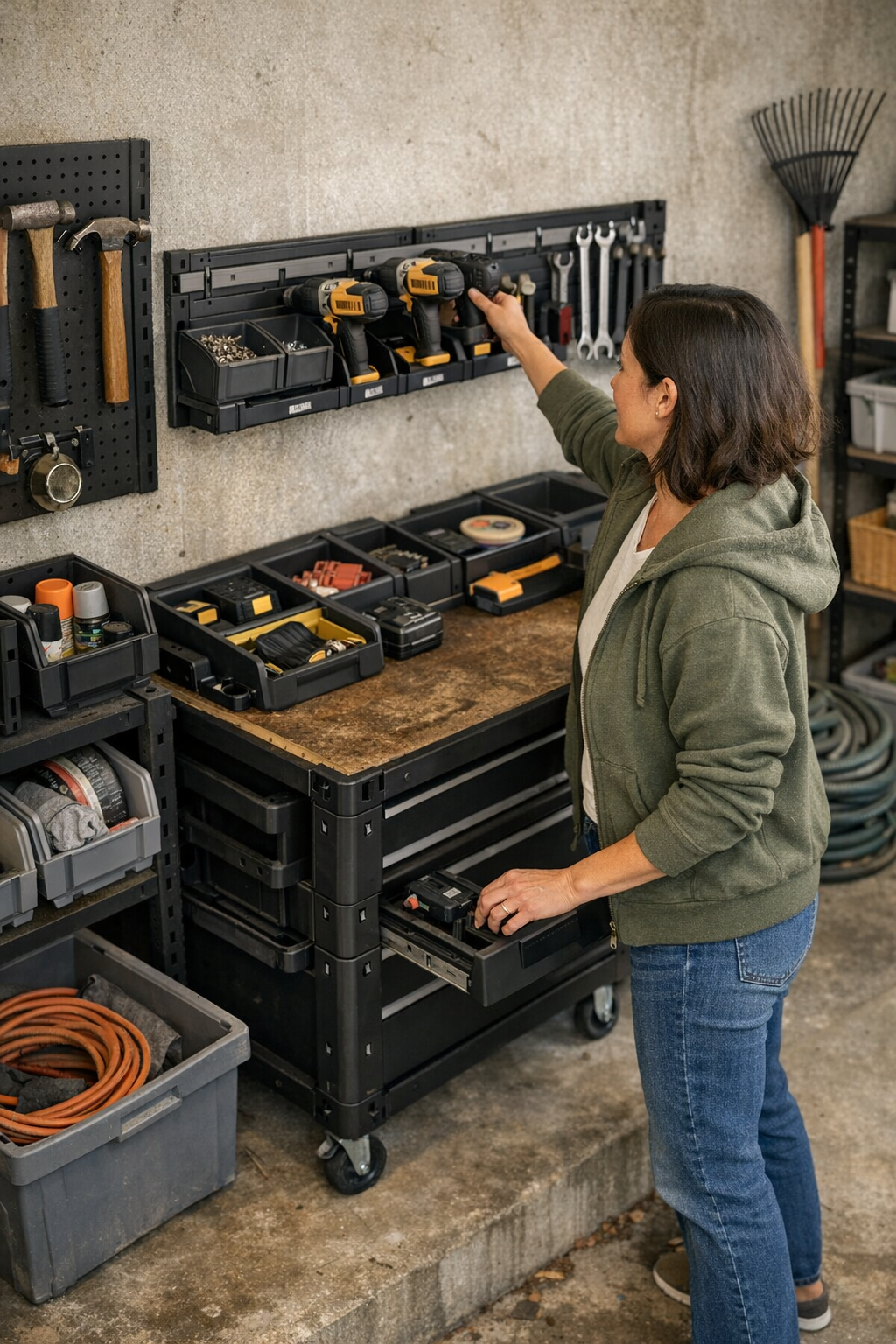
These thoughts circled in my mind while prepping the shop for a new round of weekend fix-ups.