When Shared Spaces Stop Feeling Like a Battle Zone
Open shared storage starts neat but soon causes overlap and friction; narrowing into clear, role-specific sections keeps access smooth and resets fast.
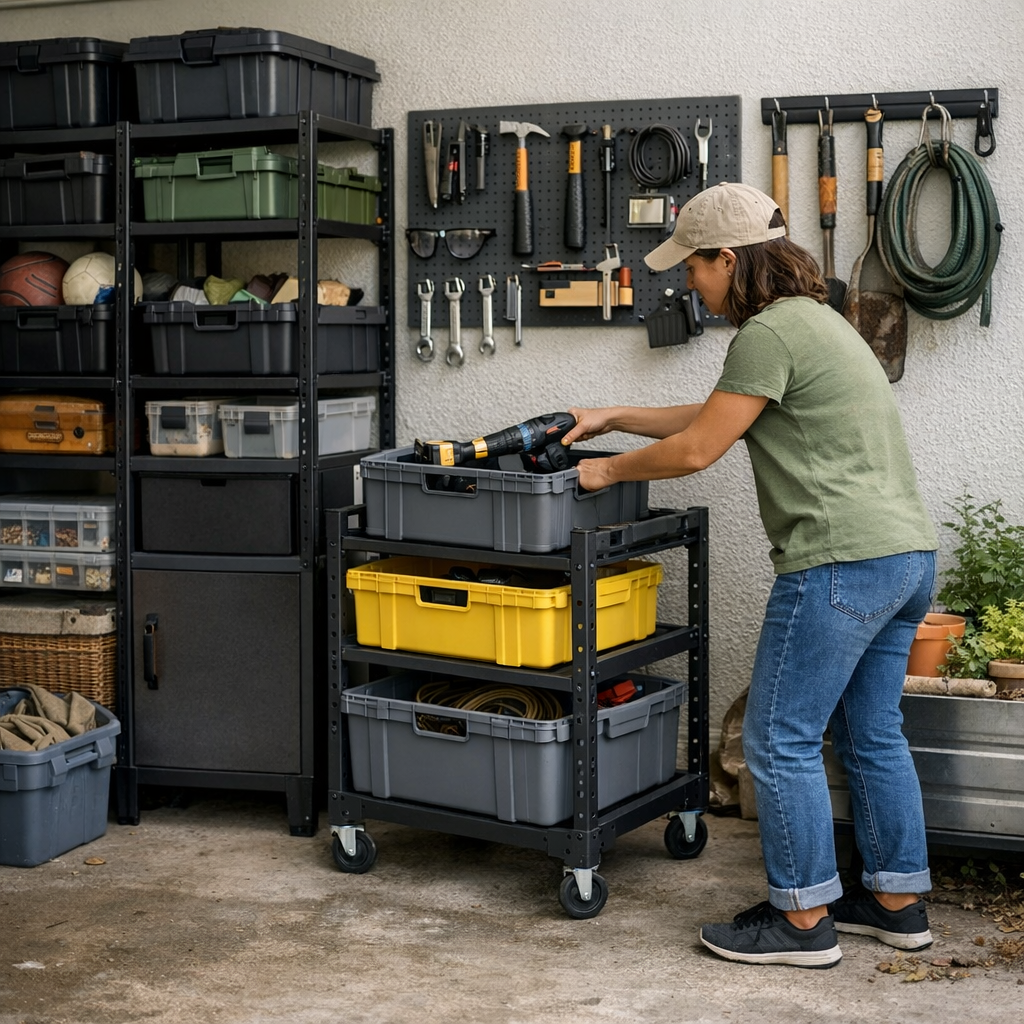
There’s a satisfaction to seeing shelves perfectly organized, each tool and box resting in its place along freshly installed racks in the garage or workshop. The space feels open, easy, almost soothing — a sense that, finally, everything has its spot and chaos is tamed. This feeling is especially familiar when working with modular storage, wall-mounted racks, or mobile storage units designed to keep tools and gear accessible.
But routine has a way of testing even the smartest systems. Whether it’s a shared garage, a utility nook, or a backyard storage wall, the cracks begin to show far sooner than most expect. Not with a bang, but with a misplaced bag or a hurried “I’ll put it back later.” It’s not immediately visible — but you feel it in the flow of returning and retrieving gear.
When Boundaries Begin to Blur
It’s subtle at first — maybe a garden trowel left near the sports equipment, or backup light bulbs inching into someone else’s crate. Let enough busy mornings or late-night returns go by, and what started as a clear, modular system turns indistinct.
The communal shelf you hoped would streamline everything soon carries extra friction. Searching for your own tool means shifting someone else’s gear, or worse, realizing it’s not where you expected. A familiar pattern emerges: small negotiations, sidesteps, and quiet sighs when a misplaced item sets off the whole setup.
This isn’t just about inconvenience. The extra mental energy spent “fixing” or explaining grows. A faint tension settles in — a quiet but persistent drain on shared routines that rely on smooth movement and easy reset.
The Subtle Strength of Narrow Spaces
Everything changes when the sections grow smaller — less a free-for-all, more like quiet agreements. Assigning a single hook or a clearly labeled crate for each person or purpose does something unexpected: it makes the system sturdy, without feeling strict.
In my own garage, what once felt like an open invitation for clutter turned almost invisible after a minor shift. Old stress points dissolved. Quick runs for the soccer ball or a power drill became smooth, almost automatic. Resetting the area took seconds, not minutes.
The practical fix wasn’t a grand overhaul, just simple dividers and gentler boundaries, using wall space and designated floor-based crates to keep overflow minimal and defined. The surprising part was how quickly the mood changed. No more stepping around someone else’s clutter — no more silent debates about where things belonged.
When Storage Feels Effortless Again
You notice it in the little moments — a busy Sunday with everyone coming and going, each person grabbing their own bin or hanging up gear without a word. There’s less bumping into each other. Complaints about lost gloves or misplaced tools get replaced by a smooth return flow.
Sometimes it’s not the big changes, but the quiet tweaks — smaller, mobile storage bins clearly tied to users or tasks, or simply defined wall-mounted sections — that shift a space from tense to effortless. And maybe what matters most isn’t just how a storage setup looks on day one, but how invisible it feels when life is busy and repeated use takes over.
It’s an ongoing experiment — one that continues to surprise me every time I workshop or reset the garage area.



