When Shared Spaces Turn Into Daily Cat Traffic Jams
Assigning each cat a personal corner for feeding, litter, and rest cuts daily workload and reduces repeated crowding and cleanup.
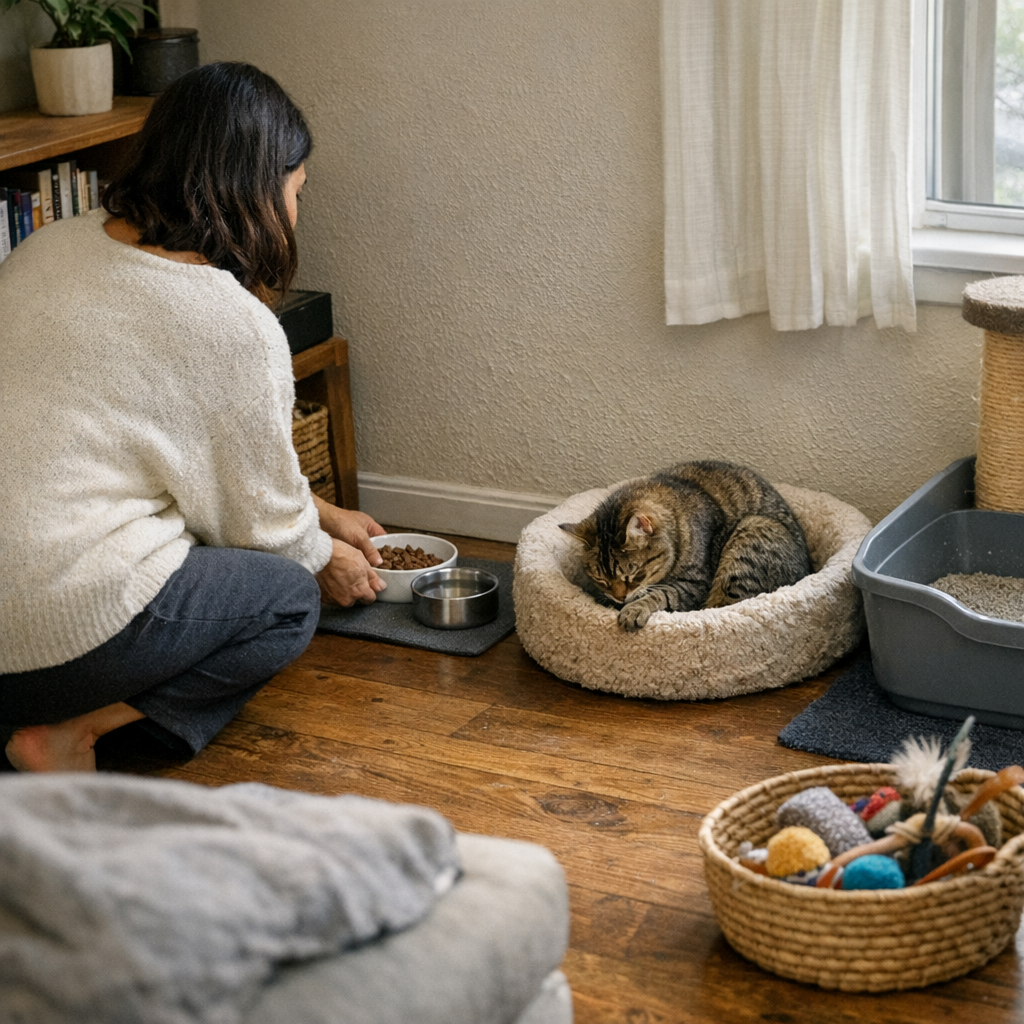
It crept up on me slowly—how much of my day ended up chopped into short rounds of chores, just for the sake of two cats sharing a home. The calendars never show this: the extra time spent tracking down a food dish relocated mid-meal, or pausing mid-morning to scoop scattered litter for the third time in a week. At first, it looked manageable. Place their bowls side by side, fit litter and toys along the quiet edges of the hallway, and the space feels settled.
Until you catch yourself, again, rearranging the mat because breakfast traffic spilled water from both bowls into the same spot. It’s not just any one mess. It’s the repetition—resetting the same patches, addressing the same minor gripes, feeling like the routine doesn’t smooth out but keeps sliding back.
The Trouble Behind the Neatly Shared Corner
This part kept coming back. The compromise of placing two cats’ needs too close meant cleanup doubled, rather than halved. Bowls nudged off-kilter after each meal, refills happened too soon, and tracked litter somehow spread further by afternoon. There was always something to adjust or tidy—no sooner handled than undone by their next small overlap over space.
Shared zones looked fine on paper. In practice, the overlap meant neither cat truly settled. The signs weren’t dramatic, but played out quietly in repeat wipes and sweeps, in toys that never quite belonged anywhere. Somewhere in that, the idea of "organized enough" started to feel like part of the problem.
Noticing When a Split Setup Actually Feels Calmer
You notice it after a few rounds of resetting. By shifting the second bowl half a room away—from the window bench to a bookcase shadow—the breakfast traffic softened immediately. Separate feeding and litter spots didn’t turn the apartment into an obstacle course; instead, everything felt quieter. Messes no longer clustered in the same places. The line of tracked litter by the hall faded, as if the space was finally sighing in relief.
To keep it comfortable, I moved their favorite resting mat with the bowl and sponged the new spots after a day. Changing the location was enough; the routines settled surprisingly fast. Cleanup felt less demanding—fewer interruptions, not just shuffled ones.
The Small Pattern That Changed the Work
By evening, the most persistent trouble zone—always around the south-facing mat—didn’t pull attention. No stray kibbles, no new puddles. The change stuck, day after day. That practical, almost invisible shift—splitting up the busy corners—gave everything more room to breathe. Each cat waited less. Each reset took less effort.
That’s what stays with me: a divided setup doesn’t solve every stray mess, but it lets maintenance fade into the background instead of returning as a daily task. The space finally belonged to all of us without constant doubling back.
If you want a sense of what this looks like in real life, it’s here: http://www.stillwhisker.myshopify.com