When Shelves Start to Sag: The Hidden Struggle of Bulk Storage
Choosing heavy duty shelving for bulk supplies means handling weight and access pressure; reinforced racks keep retrieval smooth and clutter low.
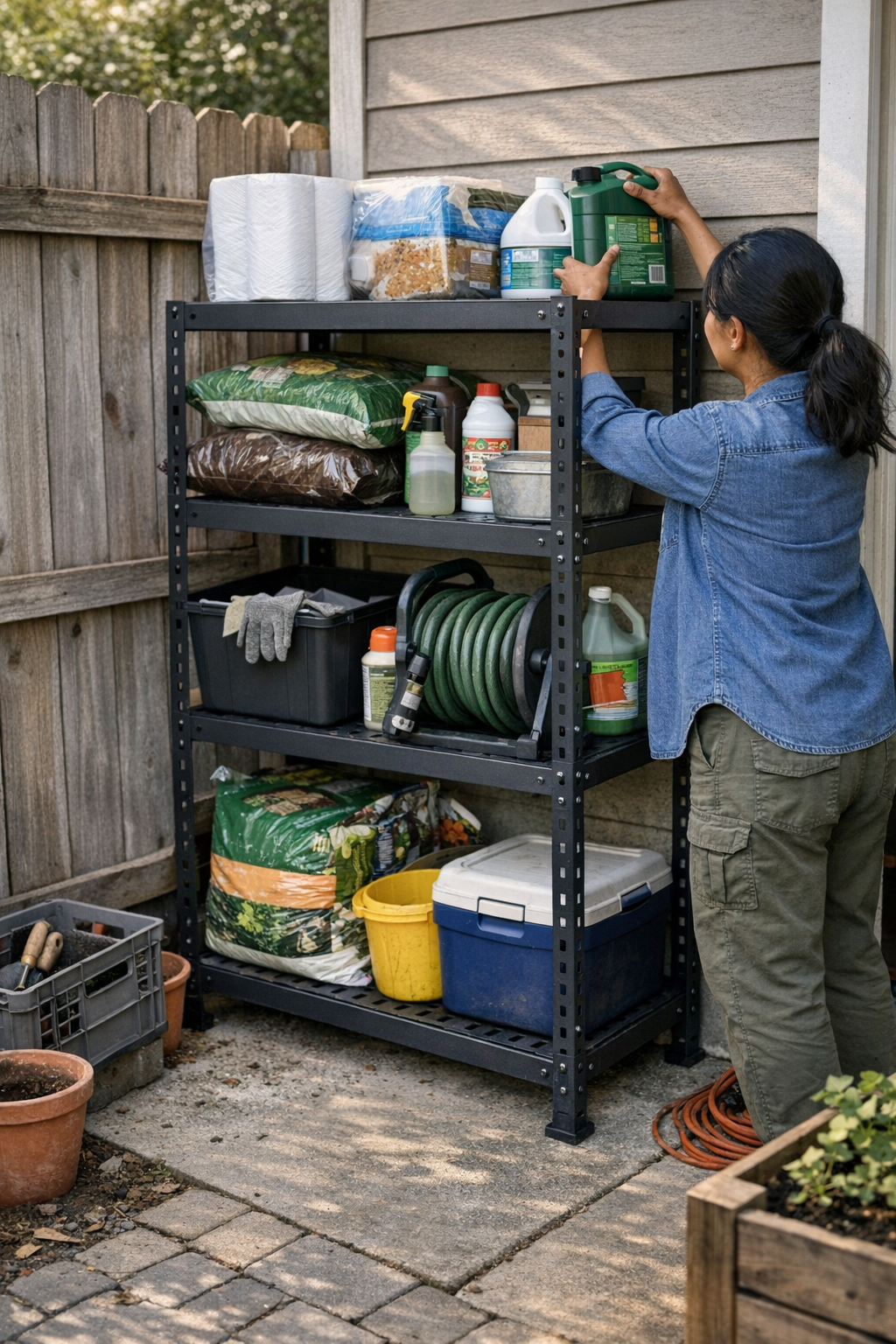
Sometimes the challenges with storage shelves don’t become clear until you’ve lived with them through several cycles—stocking up, retrieving, returning, and trying not to let things slip out of place. When new shelving arrives, there’s a quiet satisfaction in labeling categories or clearing a new front row, as if that initial order will hold. But shelves aren’t just about looking good on day one; it’s how they perform through repeated use and small lapses, especially when shared by several people, that really counts.
How Stress Finds Its Way onto the Shelf
The first weekend, everything feels fine. But by mid-month, the shelf starts to tell its own story—bowed middles, bottles teetering on the edge. Heavy cartons don’t go back where they started: someone slides one in sideways, another blocks the path with a cleaning spray bottle. The “overflow zone” at the back quietly drifts further out of sight with every restock.
Gradually, the setup that once seemed logical becomes blurred in its borders. Laundry soap creeps into snacks. A bag of salt gets abandoned in the middle row because there’s no space at the bottom. The shelf itself isn’t failing, but our habits begin to undo the original plan.
Little Shifts That Matter More in Use
The thing that broke the cycle wasn’t new hardware but a small shift in how we used the front edge of each shelf. I started keeping about a hand’s-width gap clear along the front—not for looks, but to make sliding items in and out less like solving a puzzle. Without the cramped crowding at the border, no one needed to unload half a row just to return a single box. It was a small change, but it eased the tension around resets and made the entire utility area less prone to instant clutter.
There’s value in metal shelves with solid framing and reinforced joints—they handle real weight without flexing. But over time, the key to a system’s longevity is how easily things can be returned without friction, not just how neatly it looks at the start.
Seeing What Lasts Beyond the First Setup
Shared storage is always evolving. The logic of the original arrangement dissolves bit by bit with every shortcut and silent compromise. If a shelf flexes under pressure or hides more than it reveals, it slowly gives permission for things to slip out of place.
But when shelving is built to handle real weight and includes just enough space for unplanned returns, those cycles ease. Retrieving and restocking stop feeling like a small battle every time. It becomes less about perfect initial layout and more about whether the routine holds steady, week after week.
Sometimes, it helps to see what others are trying with inside-storage solutions. Every now and then, useful ideas surface quietly—like those available here: http://www.gridry.myshopify.com