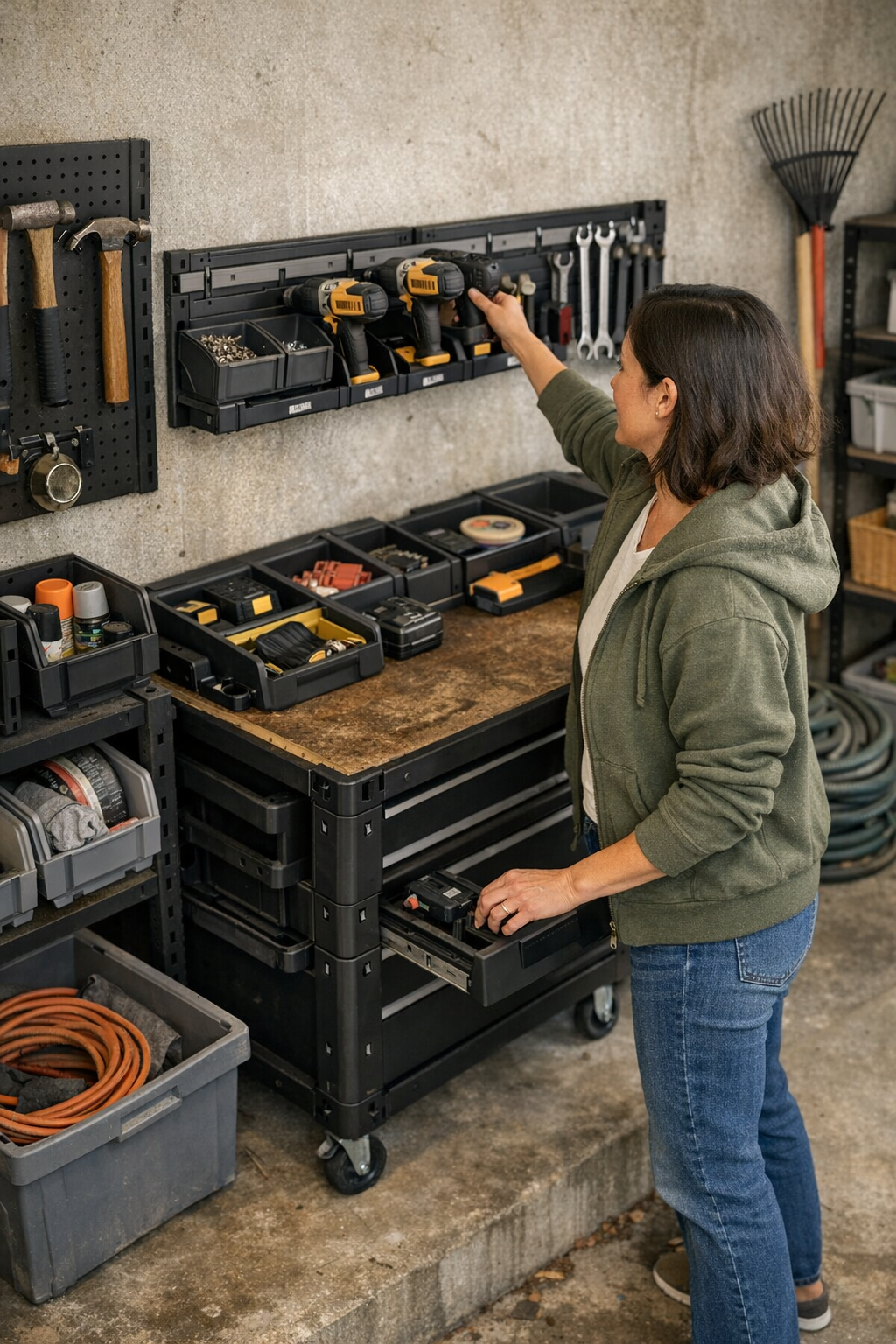
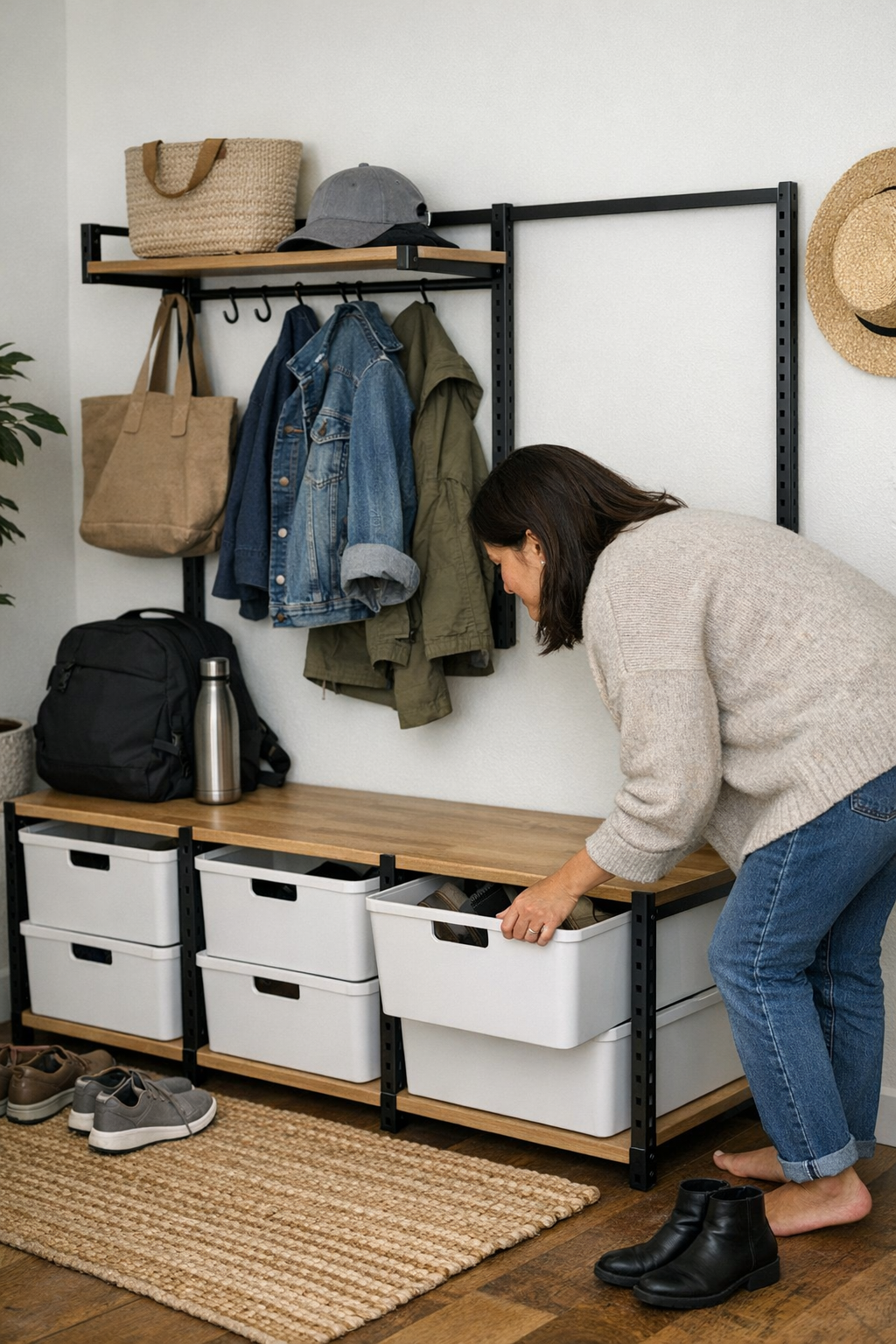
When Shelves Start to Show Their True Colors at Home
Usable shelves maintain order and support quick access under daily use, while decorative shelves lose structure and add work as routines repeat.
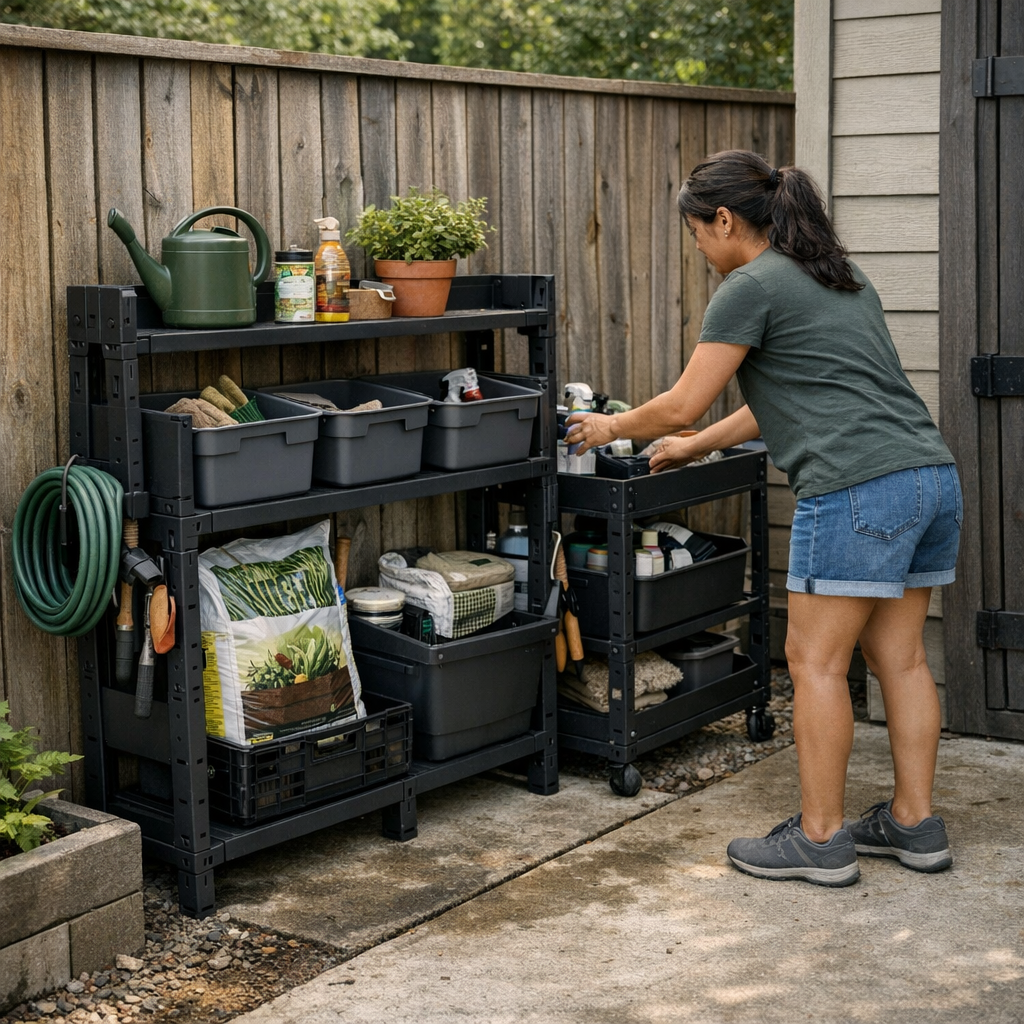
There’s a strange kind of hope that comes with installing a new shelf within a home storage system—whether part of a wall system, modular unit, or slim cabinet. It’s that soft optimism: maybe this time, the small things will finally have their place. At first, everything lines up—keys, mail, batteries, headphones—each assigned a spot like actors waiting for their cue. The feeling lingers briefly, but it doesn’t last once the routine and repeated use begin.
What’s Real Starts to Show
You don’t notice the drift immediately.
It’s when life speeds up—rushed mornings, late-night returns—that you sense the shift. I kept coming back to that subtle change: the sound of mail sliding off the edge, bundles of tangled charging cables overwriting what was meant to be a clear surface. The shelf looked the part in the beginning, clean and balanced. But a week in, it had already surrendered to the mix of items, the slight spillover, and the category drift that breaks storage logic.
Sometimes, it feels like the shelf is barely holding on; mostly, it just keeps up with a struggle. With every category that drifts and every curve of clutter returning, the gap between how it looks and how it functions grows sharper. That quiet difference surprised me more than I expected.
How a Real Shelf Changes the Space
After switching to a sturdier unit—a shelf with just enough of a lip at the back to prevent items from slipping off—the routine felt different. I never thought a small edge and slightly deeper depth could matter so much in sustained use. Now, even in a hurry, keys stopped skimming off, envelopes didn’t vanish behind other clutter, and I spent less time straightening things after the day’s repeated retrievals.
The routine pressed on—retrieving, dropping, reaching again—but the shelf held its ground. That’s when I started really noticing the difference: categories stayed put, nothing fell out of sight, and returning things didn’t turn into a frustrating reset burden or blocked movement.
The Quiet Trade-Off
A shelf that actually holds your things isn’t always as sleek as the one in the catalog photo. Sometimes, the edges are visible or the depth is a fraction deeper than you’d pick based on looks alone. But when everything returns without fuss or balancing acts, there’s a quiet relief grounded in real use.
It’s not about display or perfect order. It’s about holding what comes and goes amid limited room and mixed-use storage, without the slow, creeping disorder that piles up over days or weeks. Most days, I don’t even think about it. But the calm—the steady background hum of a shelf that works with the routine—is there.