When Simple Storage Meets Everyday Wear and Tear
No-drill storage looks organized initially but fails under heavier use; pairing it with anchored storage keeps entryways stable and clutter-free.
It only takes a few days of people coming and going for a transition space to show its true nature. Unpacking groceries with one hand, nudging aside a schoolbag with a foot, trading sandals for boots on a wet morning—these moments reveal where easy, stick-on storage meets the reality of daily use. What starts fully aligned and carefully arranged at the entryway slowly begins to drift, especially as the week pulls heavier.
The Quiet Drift Toward the Edge
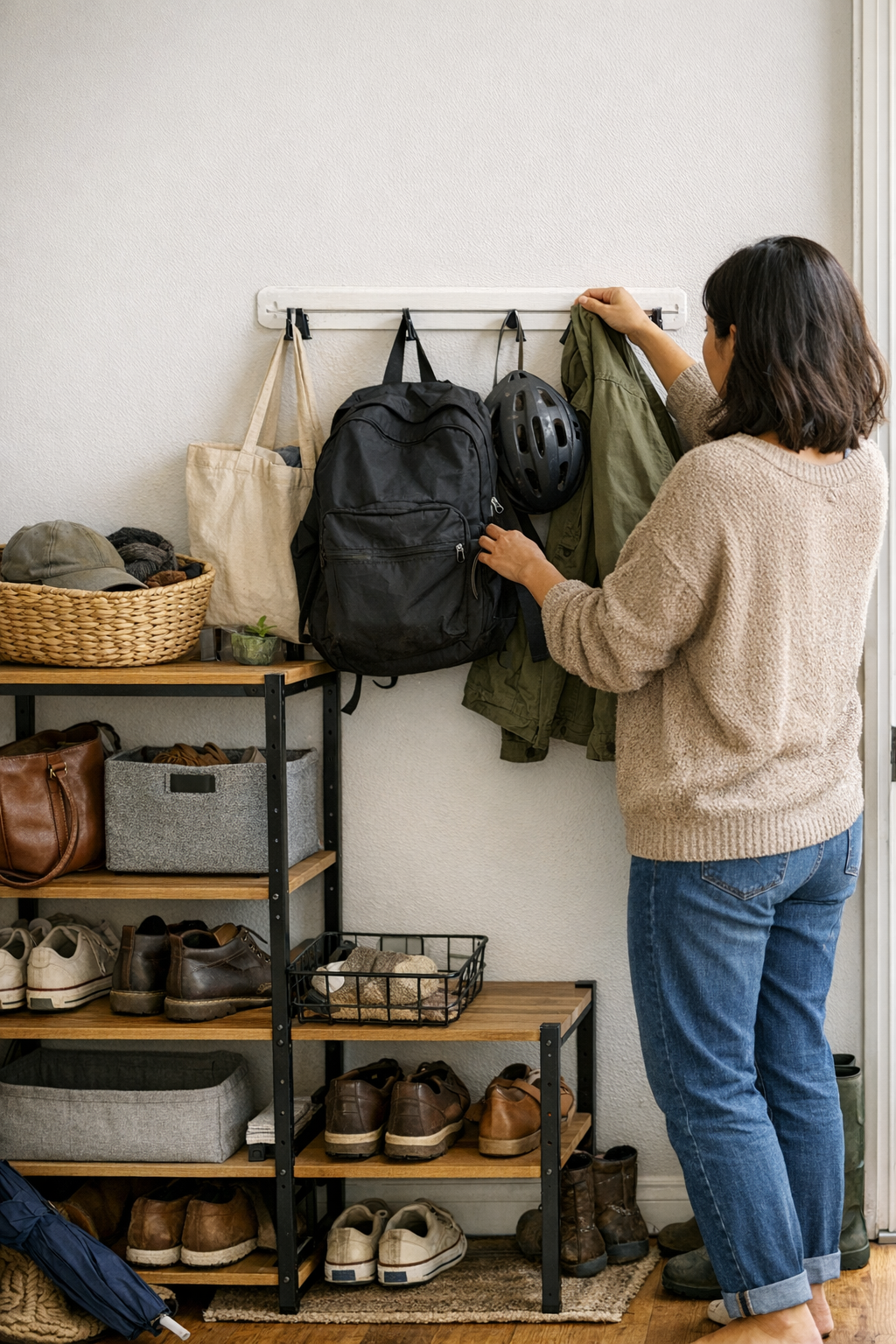
There’s something almost invisible about how a drop zone begins to tilt. Shoes multiply and overflow from a slim rack’s edge, an umbrella finds a temporary home on the bench—and then stays there. Hooks that seemed sturdy with the day’s first jacket shift just a bit more when a backpack is slung on at the end of a long commute. The tension isn’t always obvious; sometimes it’s the slight drag in your step when pausing to clear a blocked threshold that gives it away.
I started to recognize this feeling on stormy days, when everyone reached for outdoor layers at once, and the row of adhesive hooks groaned quietly under the weight. The space worked, but only until it didn’t. That was the part I kept coming back to.
Where Adhesive Meets Actual Use
No-drill storage seemed like the right fit on paper: unmarked bindings, undamaged walls, easy adjustments after a quick wipe-down. In practice, smooth surfaces began to show their subtle limits. A slim rack was snug until it bowed. The coat rail eased away from the wall just enough to cast a new shadow. Some days, the only clue was a soft snap as a hook finally gave way under a heavy bag, sending the orderly transition zone into brief chaos and making the next crossing awkward.
You feel the shift more when routines pile up: shopping days, group arrivals, one more pair of shoes by the door. The drop zone’s neat outline gives way to bag drop drift and wall-mounted overflow—each item testing the line between temporary placement and permanent clutter.
Letting Some Weight Go—Literally
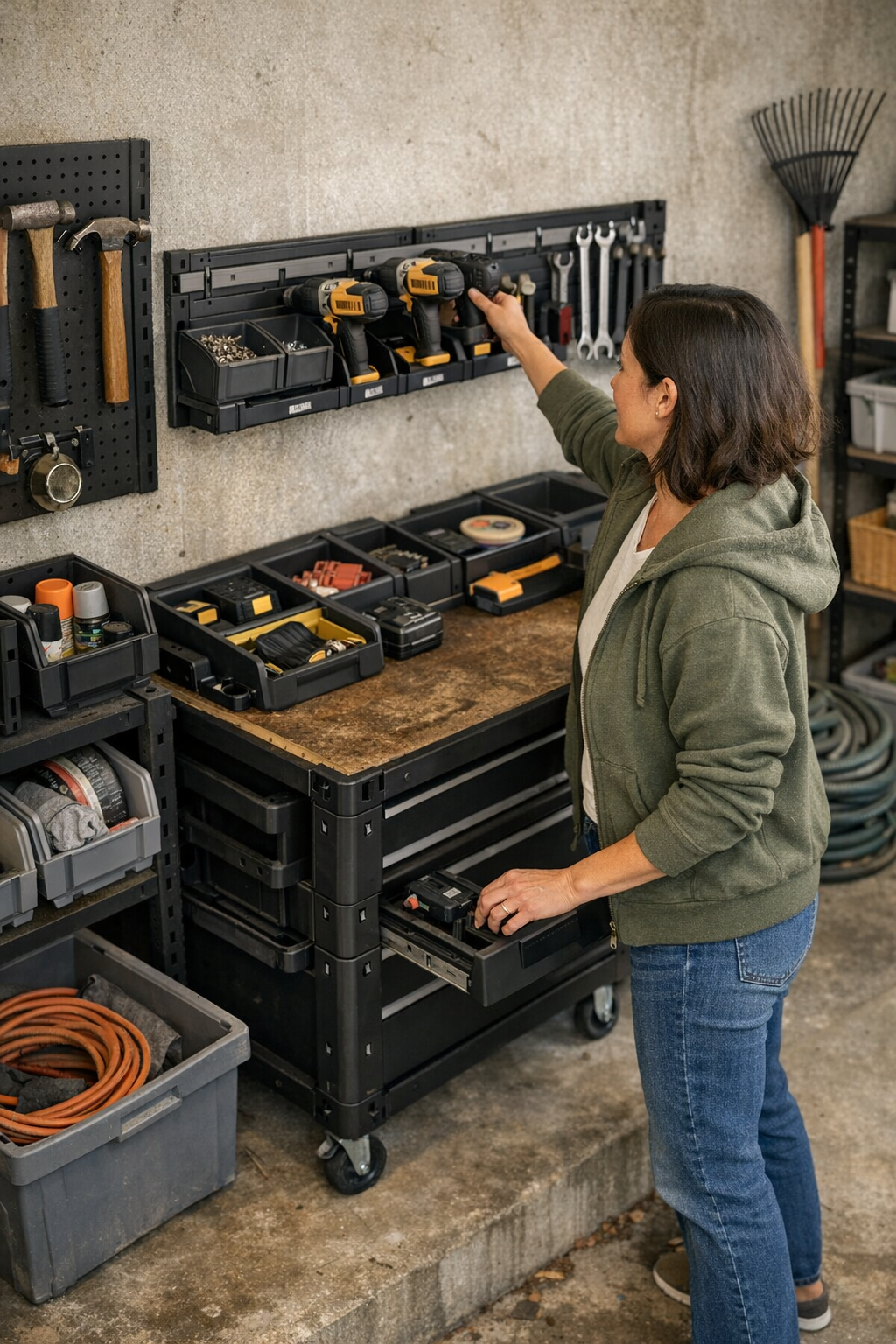
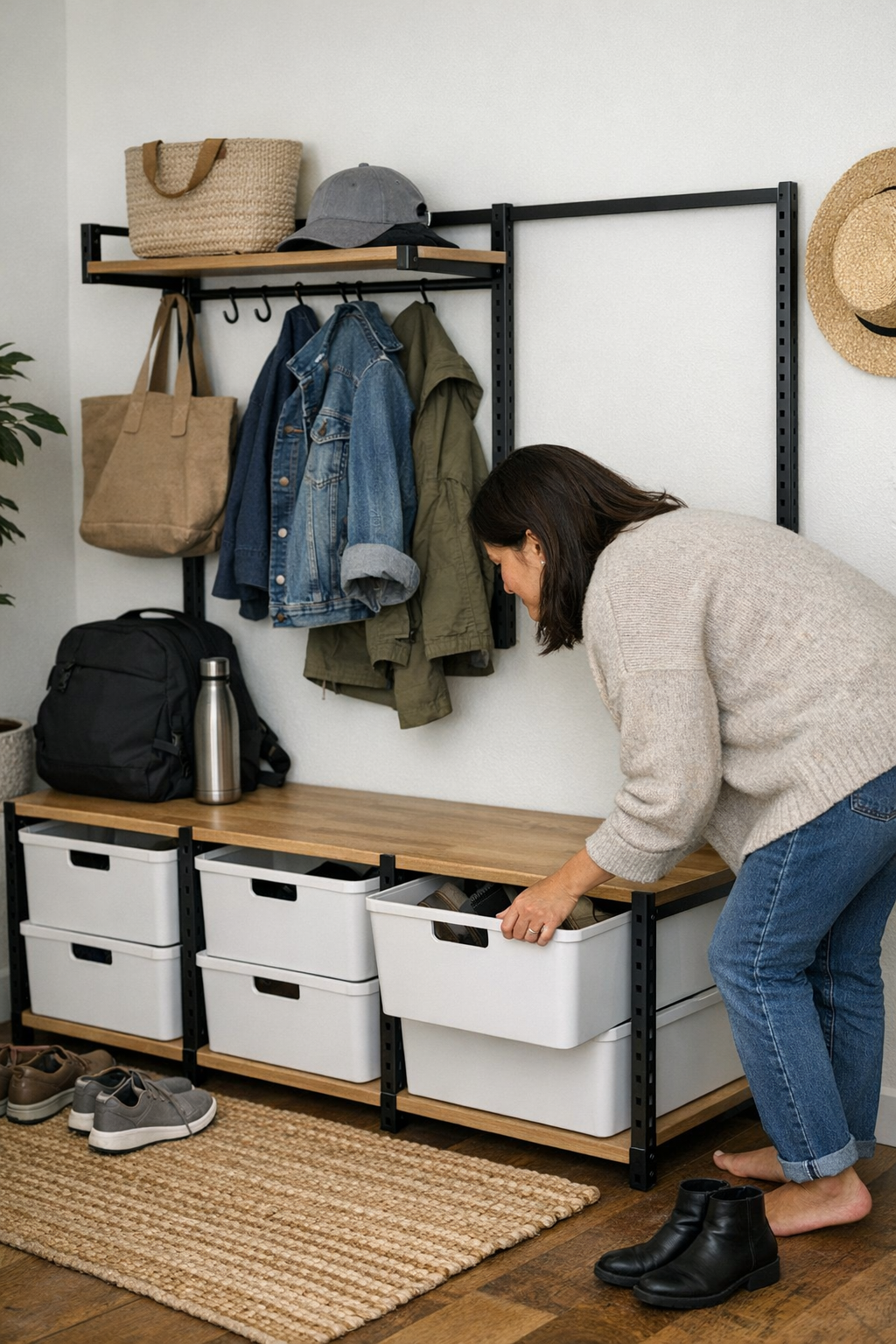
Eventually, I left only hats, gloves, and lightweight items on the no-drill hooks. Everything bulkier—boots, tools, gym bags—found spots on anchored shelves or tucked into more solid storage. The change was surprising: the flow became calmer. Shoe rows stopped sprawling, and passage through the entry stopped feeling like a negotiation with gravity every time someone rushed through.
It isn’t about perfect or pristine. Entry spaces collect stories and evidence of living: muddy boots drying by the edge, a bench with a corner always in use, the soft scrape of gear shifting as people move through. But keeping lighter, movable things hanging above—and letting the sections under daily pressure hold the real weight—made the whole entryway less brittle and less prone to collapse during the day’s first rush.
On different days, the same zone feels new again, and I still notice the line where things tip from ordered to unstable.
Sometimes I come across other ideas for making small transitions easier—there’s more to explore quietly over at http://www.betweenry.myshopify.com