When Small Car Setups Disrupt Your Daily Flow
Car preparedness isn’t about storing more gear—it’s about eliminating hesitation and clutter for smoother, easier daily car use.
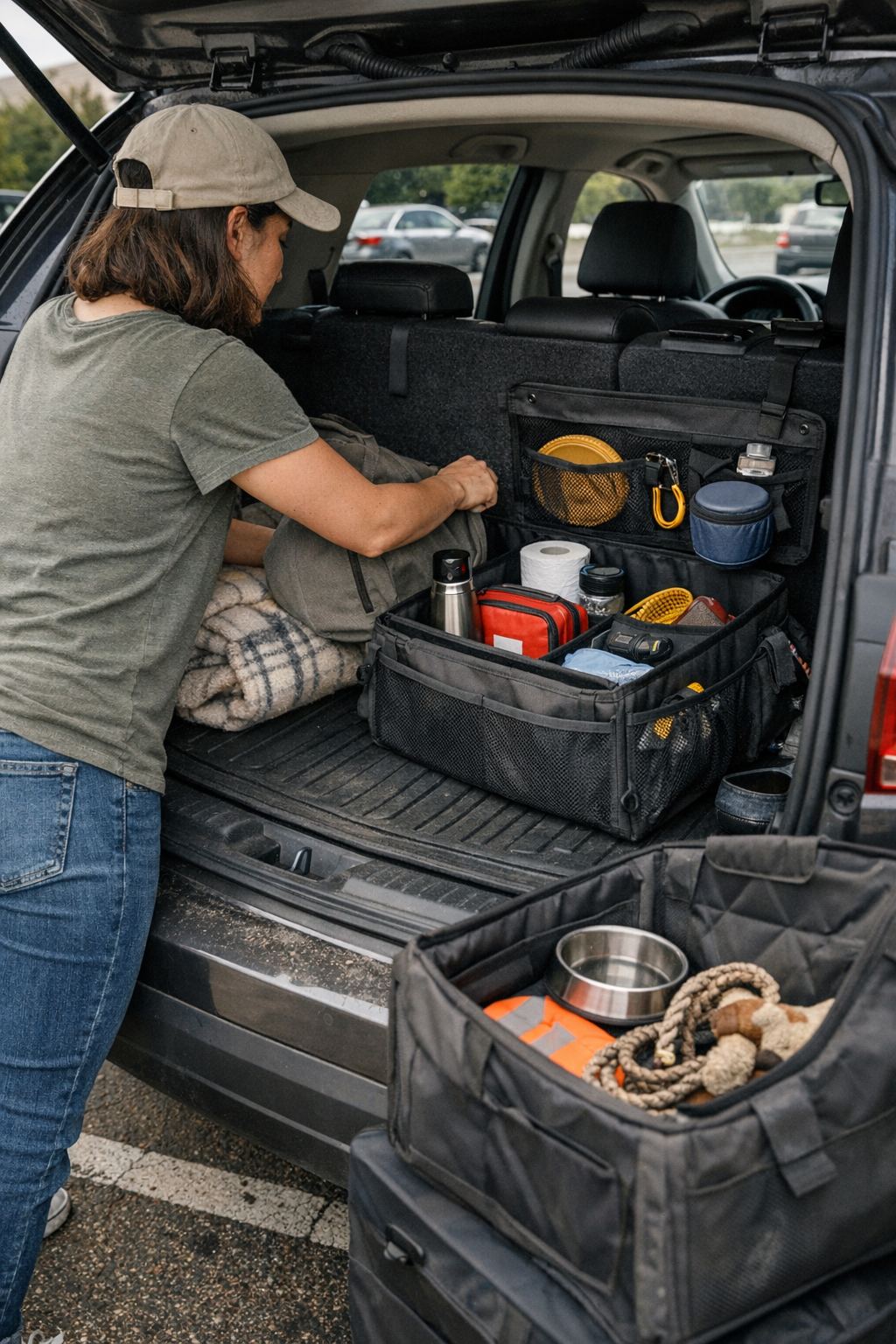
You don’t always see it coming. That brief pause, the half beat before you plug your phone in, grab a wipe, or set your keys down. It isn’t a lost tool or forgotten charger—more a quiet friction that builds after days spent running quick errands, circling parking lots, or jumping back into the driver’s seat with hands full. One week it’s the charging cord snagging on the shifter again; later, a pack of wipes slowly inching further under the seat with every turn. The car looks organized enough at a glance, maybe even tidy. But the smooth, moment-to-moment ease starts to slip away, replaced by small interruptions that quietly add up.
When Preparedness Isn’t Enough
At first, it feels like a question of just having everything you might need. The peace promised by good organizers, phone mounts, and chargers lined up within reach can feel reassuring at first. But after a few trips, that sense slips. If the setup forces you to adjust your hand, move a cup, or fish out a cable that shifted, the illusion of readiness falls apart.
It looked fine initially. A new console organizer installed, the phone holder mounted, a fresh charging cable tucked away—all “in their place.” But over time, small mismatches showed themselves. An organizer that takes up too much space blocks quick charger access. A mat that slides on rainy days leaves wet footprints on exposed carpet edges. These aren’t dramatic problems, and the interior still photographs well—but daily use exposes weak spots that slowly wear you down.
Flow Matters More Than Features
Real car organization either gets smoother with use or noisier. After a long workday, the phone’s low, the charger isn’t near the port, and the only free cupholder is filled with a dog leash. Plugging in feels like threading a needle when you just want to drive. Those friction points kept coming back: moments that should take seconds drag into minor chores because the setup doesn’t respect the flow of repeated entrances and exits.
Trying “upgrades” like bigger trays or more pockets often made things worse. Less proved more. A slim organizer that leaves the charging port fully clear. One pouch for wipes instead of a pile. Enough floor coverage so dirt lands where it’s easy to clean—not where it hides until next week’s effort. It wasn’t about cutting down everything; it was about making sure nothing blocks or shifts the gear you use most.
Tested by Real Use and Routine
What lives in the car, and where, is tested every time life scatters—a spilled drink, a charging emergency, muddy shoes on a rushed morning. If I noticed I stopped pausing—to untangle cables, reach awkwardly, or nudge gear out of the way—then the setup was quietly working. If I still had to shift one thing to access another, the clutter hadn’t vanished, just rearranged itself into a better disguise.
Preparedness isn’t about more gadgets or clever compartments. It shows up quietly: no reflex to double-check, rearrange, or hesitate before starting the car and heading out. When that small friction is gone, the car stops feeling like a project and starts feeling like an extension of your day.
If you want to see how a setup really holds up, don’t look right after a deep clean—but after three rainy days and six commutes. Everything else is just rehearsal.
Sometimes, the right details just fade into use. If you’re curious where that can go, there’s more to see here.