When Small Details Shape Everyday Light and Shadows
Even minor shortcuts in mounting anchors cause drifting shadows, tilting fixtures, and disrupted routines; proper anchors ensure steady, reliable lighting.
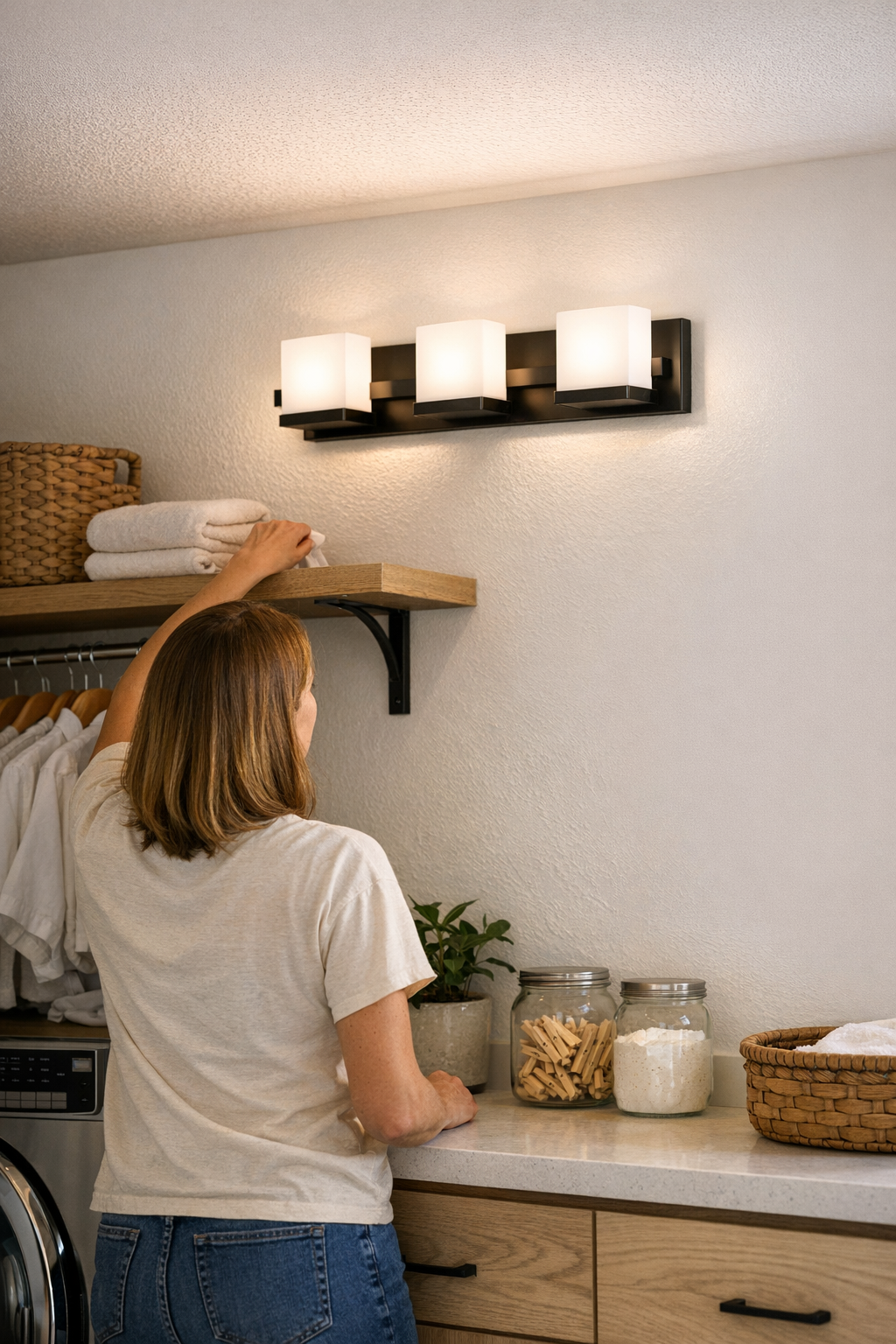
There’s a strange comfort in turning on a hallway light and knowing exactly what kind of glow you’ll get. I only noticed it the first time I lost that steady glow—a soft consistency interrupted by a shifting shadow that hadn’t been there the night before. It’s easy to overlook the hardware holding up our flush mount ceiling lights, semi-flush mounts, wall sconces, and bathroom-rated fixtures, at least until something shifts slightly out of place. Then, even the brightest wash of light can feel unsettled, edged by small tilts and restless shadows that don’t go away.
I used to think any anchor could swap in for another and keep the fixture secure. Sometimes the mounting pieces look almost identical straight out of the box. But just because a bracket seems to fit a vanity light or stairway fixture doesn’t guarantee it’ll hold steady, especially after a week of doors slamming and footsteps echoing through corridors. You don’t notice it immediately. But you feel it—an overhead linear panel light that subtly leans after a few days, or a wall sconce that drifts downward no matter how much you tighten the screws.
These shifts happen quietly but have an impact. In the bathroom, a mirror’s reflection split just a little after the wrong anchor was installed, which made the vanity lighting less effective and introduced faint shadows on folded towels. In the laundry room, a ceiling light quietly rocked every time a basket skimmed below, causing shadows to bunch in corners and behind stacked machines. The fixtures themselves never became a distraction; instead, the spaces just felt slightly less clear and a bit harder to use.
When I finally swapped back to the supplied anchors designed specifically for those damp-rated fixtures and repeated use conditions, the change was surprisingly clear. The light stayed balanced and steady, and the fixtures stopped needing constant adjustments. Reflections sharpened back to their true lines. Movement in each space—walking through narrow corridors, reaching under cabinets, cleaning countertops, carrying loads—became smoother again, like the hallway reacquainting itself with its usual routine. The smallest hardware, it turns out, does more to protect the clarity and balance of everyday lighting than any new bulb or brighter fixture.
It’s odd how solidity and shadow control become part of your sense of comfort in a room—never fully noticed but essential all the same. Whenever the right anchor is in place for fixed task lighting, under-cabinet runs, or work area lighting, the light fades quietly into the background, just as it should.



