When Small Tool Choices Shape Long Days at Home
The practical difference between multitool attachments shows during repeated use; the right choice prevents chipped edges and extra cleanup on tough jobs.
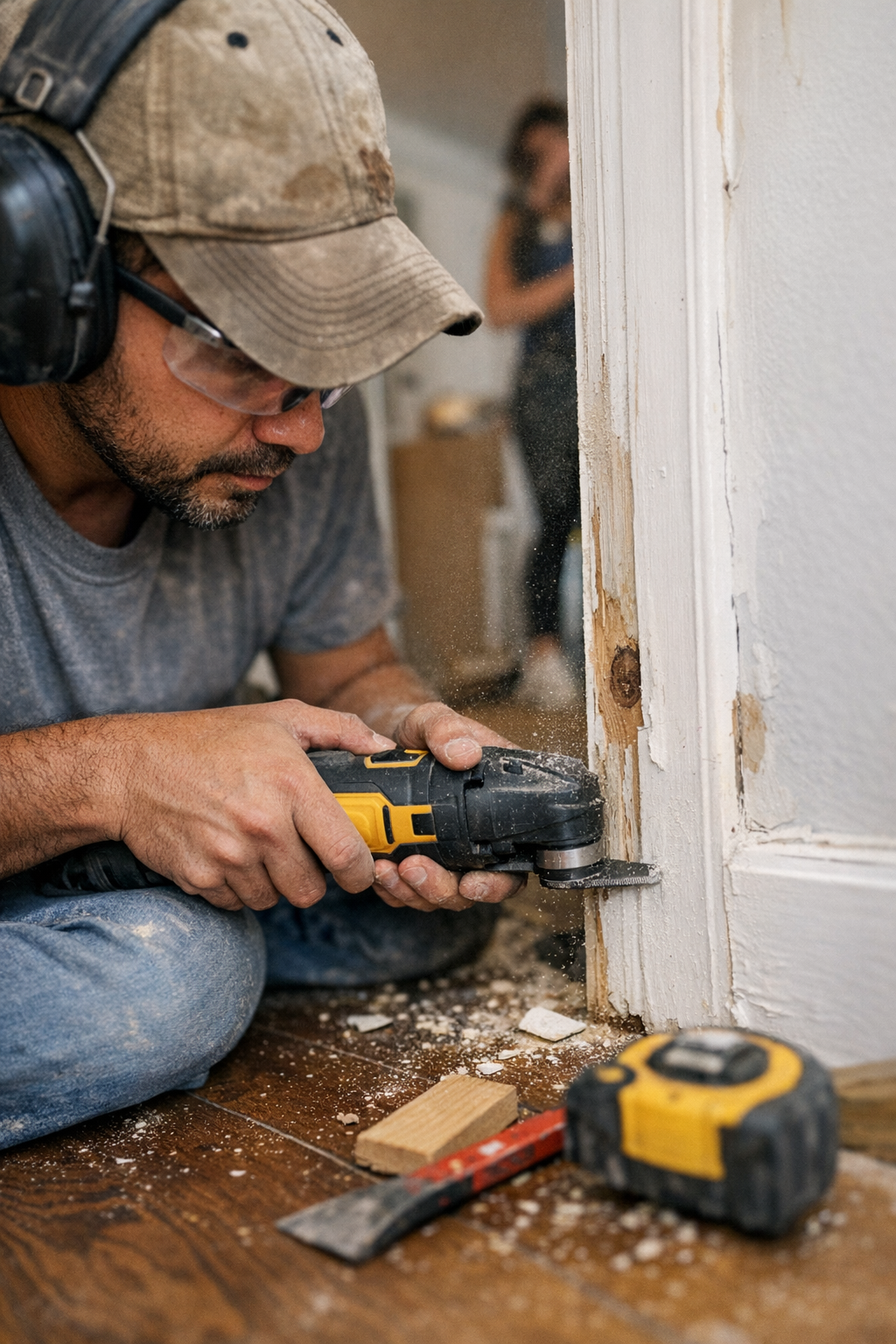
The Quiet Difference That Ruins a Satisfying Project (And why it matters more than people think)
You don’t really notice the small things that slow your work—until suddenly your afternoon unravels.
It usually starts with enthusiasm: a multitool in your hand, the right blade attached, ready to cut through trim or sand down an awkward corner. Each attachment promises versatility but, after a while, the mood shifts. The job that felt straightforward now takes longer; tiny flaws appear, time drains away. You don’t notice it immediately.
But you feel it.
Where Friction Hides
There’s an odd truth about multitool attachments: they all look up for the task until you actually start using them for real. Picking out a flush-cut blade or a sanding pad seems simple at the hardware store, but the first sign of trouble often comes when wood gets denser, angles get tighter, or the fifth repeated cut drags just a bit more than the first.
Tool performance doesn’t always decline suddenly. Tiny things show up first: heat building near your grip, the crisp cutline wobbling, edges starting to chip instead of slice. It’s only after you finish the section that you see the bigger change—a job that should have sped up has quietly become something you’ll have to revisit and fix.
Invisible Choices, Visible Consequences
It’s easy to assume all attachments are created equal. Yet in those cramped, paint-caked corners or when slicing through stubborn trim, subtle design differences suddenly become loud. Tooth angles, blade coatings, even the grit on the edge—these details start affecting your whole outcome, cut by cut.
A diamond grit blade versus a standard carbide feels nearly identical at first. Both glide through soft pine. But as resistance creeps in, one stays cool and straight, while the other begins to vibrate and spit out fine dust. Small misalignments appear, the kind that only stick out when paint soaks in and highlights every chip and nick you now need to sand out. Sometimes, the finish result is the difference between quietly moving on to the next room, or circling back with sandpaper and regret.
You don’t realize how many minutes slip away, until you’re spending more time cleaning up than actually building.
The Subtle Reward of Getting It Right
Once you find something that works—for me, a good diamond grit flush-cut blade—the rhythm of the job changes. Cuts hold their line. Vibration eases off. You’re less aware of the tool and more in tune with the project itself. Cleanup shrinks to a quick sweep, not a drawn-out repair.
And here’s the refresh: the best result is not just speed or a cleaner finish, but the feeling that you’re working with the material instead of against it. Fatigue doesn’t creep in. Energy lingers for the last jamb as much as the first.
On some days, the only evidence is what’s missing: chipped paint, wasted minutes, tension in the wrist. The absence of friction is hard to spot in the moment, but it quietly accumulates as extra time saved and satisfaction kept.
It’s easy to forget how these quiet differences shape how a project ends—or how you feel about picking up the next one.
These thoughts came together while testing out a few blades in the middle of a room remodel.



